

Baggage mishandling costs aviation industry $6.3n a year
The SITA 2026 Baggage IT Insights report shows mishandling has fallen below pre-pandemic levels for the first time, even as passenger volumes hit record highs

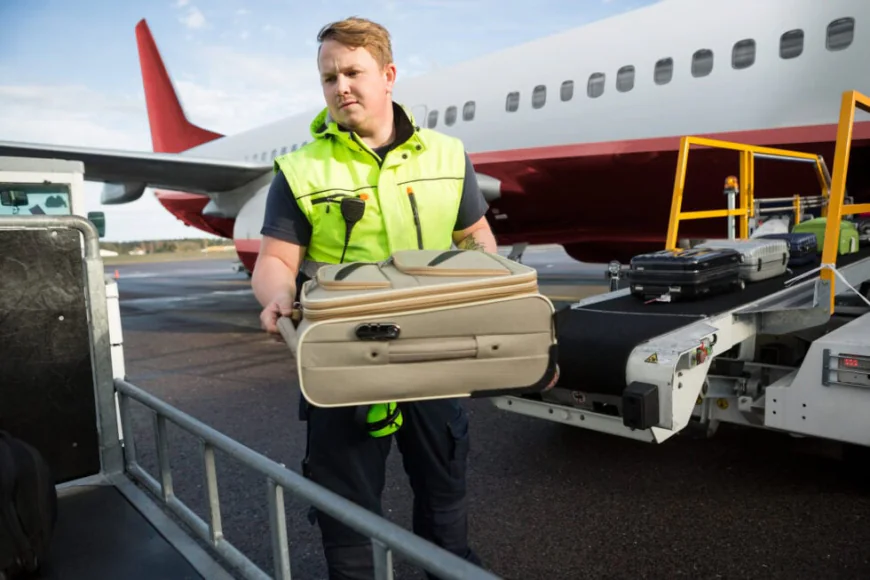
Mishandled baggage rates dropped 23%, a sign that digital transformation efforts are taking hold, according to the SITA 2026 Baggage IT Insights report, the 20th annual edition of the industry benchmark.
But the bigger story is not just improvement. It is the gap that remains. Mishandling still costs the industry $6.3 billion annually. Each bag carries an average cost of $260. With net profit averaging just $8 per passenger, one mishandled bag wipes out the profit from more than 30 seats sold, and five erase the profit of an entire flight.
Passenger volumes are rising faster than the infrastructure designed to handle them. In 2025, 5 billion passengers traveled globally, 24 million bags were still mishandled. Across the longer term, mishandling has fallen by close to three-quarters since 2007.
What changed in 2025 was not one technology, but a shift in how systems connect: real-time data sharing, AI routing, biometric bag drop, and connected passenger devices.
The report pinpoints where the next gains can come from. Delayed bags account for around 70% of the total cost, most of it operational, in recovery, rerouting and delivery. For lost or damaged bags, up to 70% of the cost is compensation. Transfers remain the core mishandling driver at 39% of cases in 2025, down from 41% the year before.
Three in four airlines plan to invest in AI over the next two years. Half plan to give passengers real-time baggage updates. Industry-wide baggage tracking under IATA Resolution 753 has now passed the 50% mark, with full compliance targeted for 2027. The next horizon is already on the runway: tagging bags at home, dropping your bags in the car park, and bags that don’t need to fly on the same aircraft as the passenger.
What's Your Reaction?
 Like
0
Like
0
 Dislike
0
Dislike
0
 Love
0
Love
0
 Funny
0
Funny
0
 Wow
0
Wow
0
 Sad
0
Sad
0
 Angry
0
Angry
0



Comments (0)