

International Cabin Crew Day today
Airlines and aviation organisations honour flight attendants as highly trained safety professionals

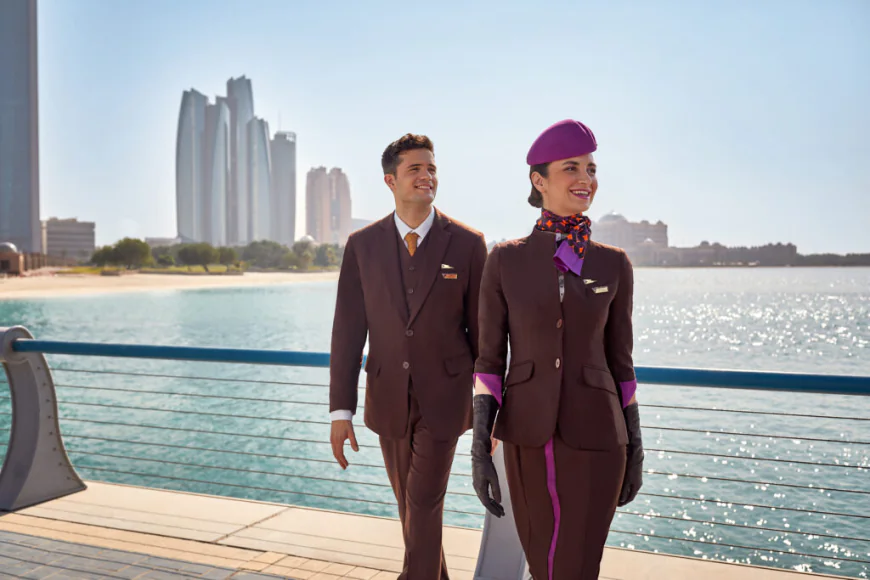
Airlines, passengers and aviation organisations are paying tribute to the men and women who help keep air travel safe, secure and comfortable to mark the International Cabin Crew Day on 31 May.
Cabin crews are recognised for their hospitality, they are highly trained safety professionals responsible for handling emergencies, medical incidents and passenger welfare at 35,000 feet.
The day celebrates the dedication and professionalism of flight attendants who serve as the frontline guardians of modern aviation. The occasion was first introduced in 2015 by a Canadian flight attendant union and coincides with the anniversary of the first documented in-flight service in commercial aviation history.
Aviation experts emphasise that safety remains the primary responsibility of cabin crew. Flight attendants receive extensive training in emergency evacuation procedures, firefighting, first aid, cardiopulmonary resuscitation (CPR), water survival and aviation security protocols, enabling them to respond effectively during critical situations.
Airlines around the world, including Emirates, Qatar Airways, Singapore Airlines and British Airways, marked the day through social media campaigns, employee recognition programmes and messages of appreciation for cabin crew members.
In Bangladesh, national carrier Biman Bangladesh Airlines, along with private airlines such as US-Bangla Airlines and Air Astra, employs hundreds of cabin crew serving both domestic and international routes. The profession has become an attractive career path for many young Bangladeshis, offering opportunities for international exposure, professional development and cross-cultural engagement.
Despite its appeal, the profession comes with significant challenges. Cabin crew frequently contend with irregular working hours, disrupted sleep patterns, physical fatigue, emotional stress and the demands of working across multiple time zones. Industry bodies continue to advocate improved mental health support, better working conditions and greater recognition of the profession’s contribution to aviation safety.
What's Your Reaction?
 Like
0
Like
0
 Dislike
0
Dislike
0
 Love
0
Love
0
 Funny
0
Funny
0
 Wow
0
Wow
0
 Sad
0
Sad
0
 Angry
0
Angry
0





Comments (0)