

Bangladesh can be South Asia’s tourism success story
Anindya Arif takes the interview of Alamgir Ferdous, managing director and co-founder of Chuti Resort Limited, a concern of Chuti Group

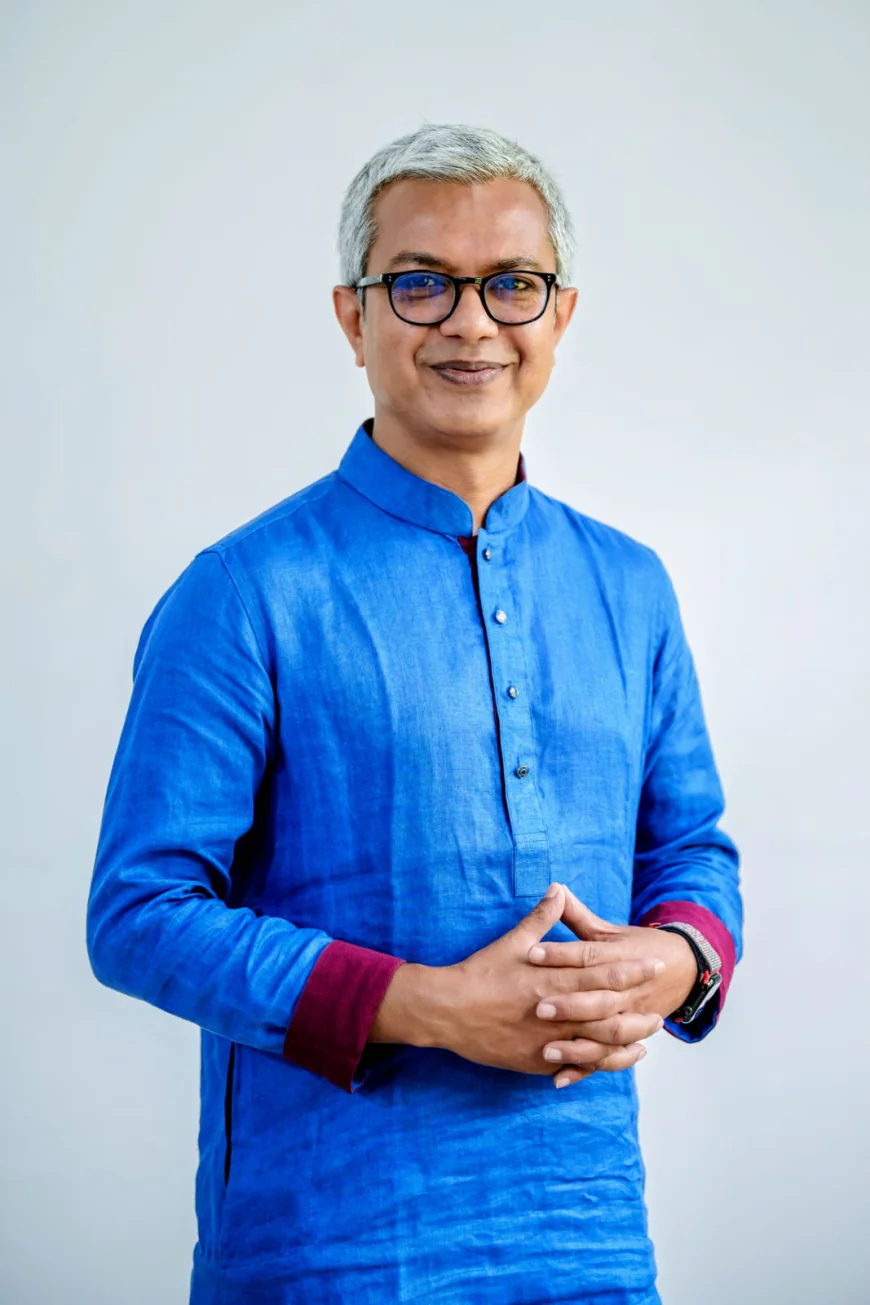
ATT: Why do you believe Bangladesh has such strong tourism potential?
Alamgir Ferdous: Bangladesh is now a tourism treasure trove. Few countries offer such diversity within a compact geography. We have the world’s longest unbroken natural sea beach, hills, forests, tea gardens, wetlands, rivers and rich cultures.
Even connectivity has improved dramatically over the last decade. Today, travellers can reach almost any destination much more easily than before. Tourism assets were always there. Infrastructure and quality services are gradually catching up.
ATT: Chuti Resort is associated with eco-tourism. How do you define that concept?
Alamgir Ferdous: Eco-tourism is not simply about preserving trees or green spaces.
It means supporting local communities, sourcing food from farmers, creating jobs for people and allowing visitors to experience authentic rural Bangladesh, which has a competitive edge.
From locally produced vegetables and traditional cuisine to village culture and natural surroundings, everything should reflect a particular destination. Backpackers now opt to seek experiences rather than luxury alone.
ATT: What do you think are barring Bangladesh from becoming a tourism hub?
Alamgir Ferdous: Marketing is our biggest weakness. Countries such as Thailand, Malaysia, Sri Lanka and India consistently promote themselves through global campaigns. Bangladesh needs a similar long-term branding strategy.
Tourist safety, destination management and investor confidence are equally important. Tourism is not only about building hotels. It requires an ecosystem where visitors feel welcome and businesses feel secure investing for the future.
ATT: What type of policy you think is needed to have an impact?
Alamgir Ferdous: Tourism should receive greater attention in national development planning. The current government can facilitate investment through predictable policies, improve destination security, strengthen tourist policing and expand infrastructure around tourism zones.
During Covid-19, tourism businesses were among the hardest hit industries, yet the sector received comparatively limited support. Going forward, tourism should be recognised as a strategic economic sector capable of generating employment, foreign exchange earnings and regional development.
ATT: Sustainability is a big issue. How is Chuti Resort responding?
Alamgir Ferdous: Sustainability is central to our business model. We have already installed solar power at our Purbachal property, allowing us to reduce electricity costs while contributing surplus energy to the national grid through net metering.
We also prioritise environmentally responsible construction, local sourcing and resource efficiency. Protecting nature is no longer just an environmental responsibility; it is also good business.
ATT: What gives you confidence about domestic tourism future?
Alamgir Ferdous: People’s travel habits are changing. Families are spending more time exploring destinations within Bangladesh. Destination weddings, eco-resorts and short leisure breaks have become increasingly popular. At the same time, more entrepreneurs are entering the industry, bringing new ideas and higher service standards.
If Bangladesh can brighten its global image while improving infrastructure and hospitality standards, I do believe the country can be one of South Asia’s most attractive tourism destinations over the next decade. The opportunity is enormous. What we need is a bucket of confidence to narrate Bangladesh’s story abroad.
What's Your Reaction?
 Like
0
Like
0
 Dislike
0
Dislike
0
 Love
0
Love
0
 Funny
0
Funny
0
 Wow
0
Wow
0
 Sad
0
Sad
0
 Angry
0
Angry
0
Comments (0)