1400 electric buses planned to boost Bangladesh’s tourism connectivity
A technical committee comprising experts from the BUET and the MIST is preparing unified standards for electric buses
 ATT Correspondent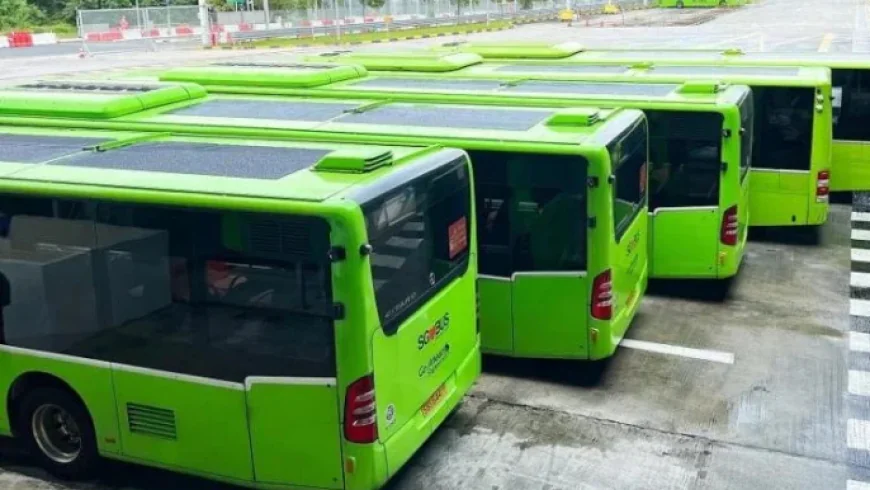
The government is planning to introduce around 1,400 electric buses as part of a broader initiative to modernise public transport and improve connectivity for both domestic and international tourists across Bangladesh.
The move is expected to make travel between airports, tourist attractions, hotels, transport hubs and major cities cleaner, safer and more convenient, while reducing the environmental impact of tourism-related transport.
Roads and Highways Secretary Dr Mohammed Ziaul Haque said the government was pursuing several initiatives to develop the country’s largest electric bus fleet and create a more sustainable transport system.
A proposal to procure 500 electric buses has already been sent for financing, while the Republic of Korea is revising a programme to increase the number of buses under an existing 300-bus project. In addition, a World Bank-supported project to procure 400 electric buses is awaiting approval.
The government has also included two procurement packages worth Tk400 crore each to accelerate the purchase of additional electric buses. A dedicated fleet for women passengers will also be introduced, with the number expected to exceed the initial target of 100 buses.
“Taken together, these initiatives will enable us to introduce around 1,400 electric buses into the country’s public transport system,” the secretary said.
The government expects passengers to begin seeing visible improvements on selected routes by December or early next year, with an initial target of operating at least 200 electric buses.
The initiative could significantly improve tourist mobility, particularly in major urban centres and key gateways to popular destinations. Better public transport connectivity is expected to make travel more convenient for visitors and support the growth of domestic and international tourism.
To support the transition, the government is developing a nationwide charging network based on common technical standards. Bangladesh Road Transport Corporation plans to use its existing land in all 64 districts to establish charging stations, which could also be made available to private operators.
A technical committee comprising experts from the Bangladesh University of Engineering and Technology and the Military Institute of Science and Technology is preparing unified standards for electric buses, including battery systems, charging technology and mechanical support.
The government is also exploring monorail as an alternative mass-transit option for routes where metro rail may not be suitable. The Bangladesh University of Engineering and Technology has been tasked with assessing potential routes and technical feasibility.
Officials believe the transition towards cleaner transport, combined with improved connectivity and new mass-transit options, could strengthen Bangladesh’s tourism infrastructure and help create a more environmentally sustainable visitor experience.