

How small flying drone becomes a big thing
Read this layman’s guide to know about the variety and diversity of drones, their uses and operations

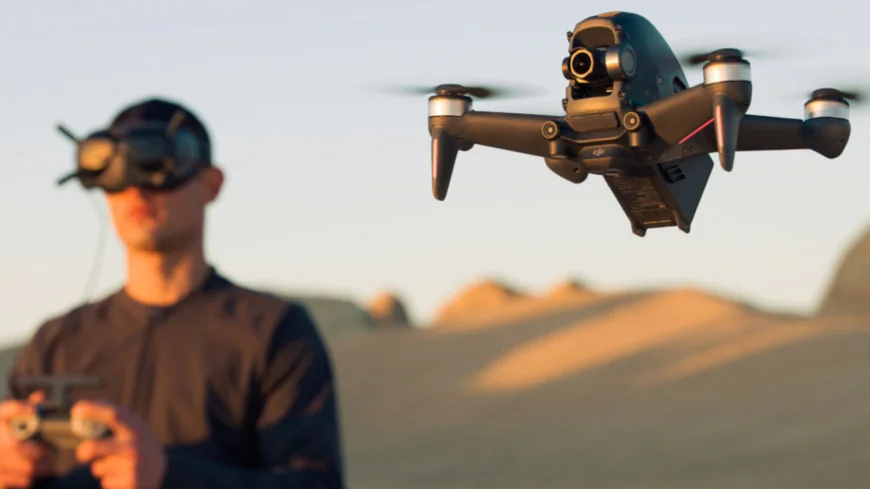
From delivering your morning coffee to conducting precision strikes against enemy targets, drones have become an inescapable part of modern life. Their expanding operations touch nearly every sector of the economy and every aspect of human activity. As technology continues to evolve at breakneck speed, it is your right to know how drones work and operate.
Unmanned aerial vehicles (UAVs)—commonly known as drones—have rapidly evolved from hobbyist toys into indispensable tools across virtually every sector of the global economy.
The global drone market, valued at an estimated $73 billion in 2024, is projected to nearly double by 2030, highlighting the technology's explosive growth. Drones have profoundly changed how we see the world, deliver goods, respond to disasters and conduct military operations. Drones are most categorised by their physical structure, which determines their flight capabilities and ideal applications.
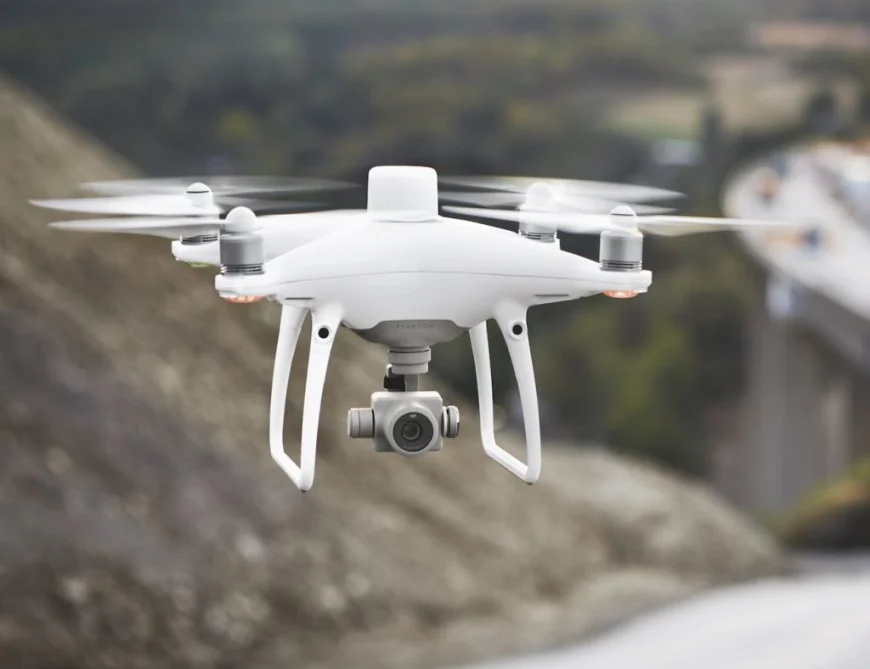
Image of DJI Phantom 4 RTK Multi-Rotor Quadcopter Photo: Geo Jobe
Multi-rotor drones
These are the most recognisable types. Quadcopters (four rotors) dominate the consumer market for photography and recreation due to their stability and ease of use. Hexacopters (six rotors) and Octocopters (eight rotors) offer greater stability and payload capacity, making them suitable for professional filmmaking and industrial inspections where redundancy is critical. These drones excel at hovering and vertical takeoff, making them ideal for tasks requiring precision and stationary positioning.
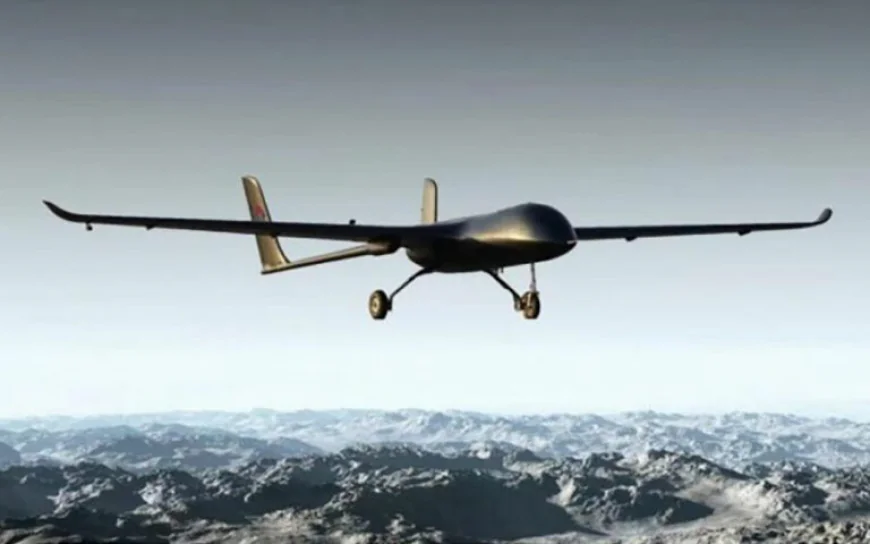
Star-X GP-8000 fixed-wing UAV has been designed for surveillance and cargo delivery Photo: Unmanned Systems Technology
Fixed-wing drones
It resembles traditional airplane. Unlike their multi-rotor counterparts, they cannot hover, but they offer significantly longer flight times, higher speeds, and the ability to cover vast distances. These are the go-to choice for large-scale mapping, agricultural surveying, and long-range surveillance missions.
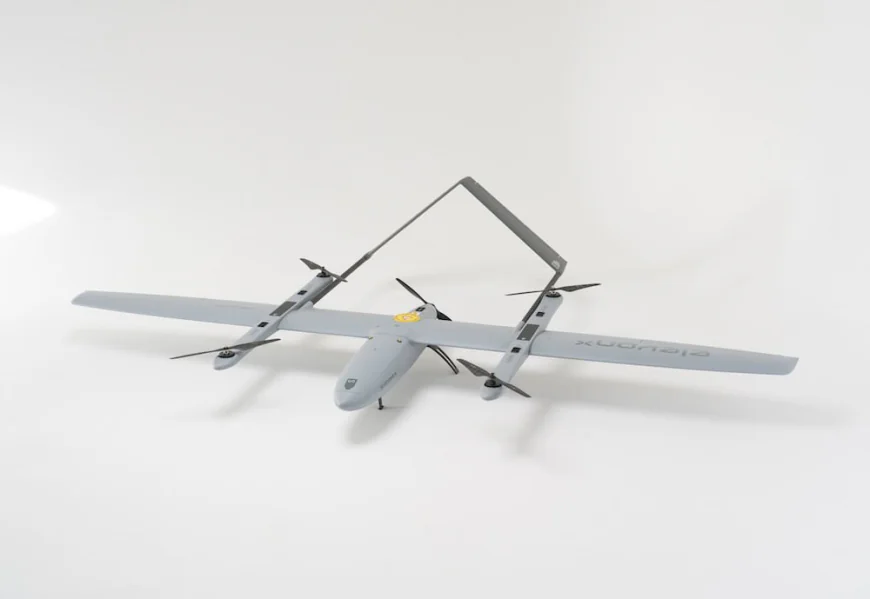
Sierra VTOL, fixed-wing electric VTOL UAV for long-endurance operations Photo: Unmanned Systems Technology
Hybrid VTOL drones
Hybrid VTOL (vertical take-off and landing) drones represent the cutting edge of design. They combine the hovering capability of multi-rotors with the long endurance of fixed-wing aircraft, offering unprecedented operational flexibility for complex tasks. These versatile machines can take off from confined spaces, transition to efficient forward flight, and hover when needed for detailed inspections.
Key operational sectors
The commercial application of drones has matured significantly in recent years. Globally, mapping and surveying remains the primary use case, utilised by 35% of operators, closely followed by inspection (26%) and photography/filming (18%). However, emerging applications are growing rapidly.
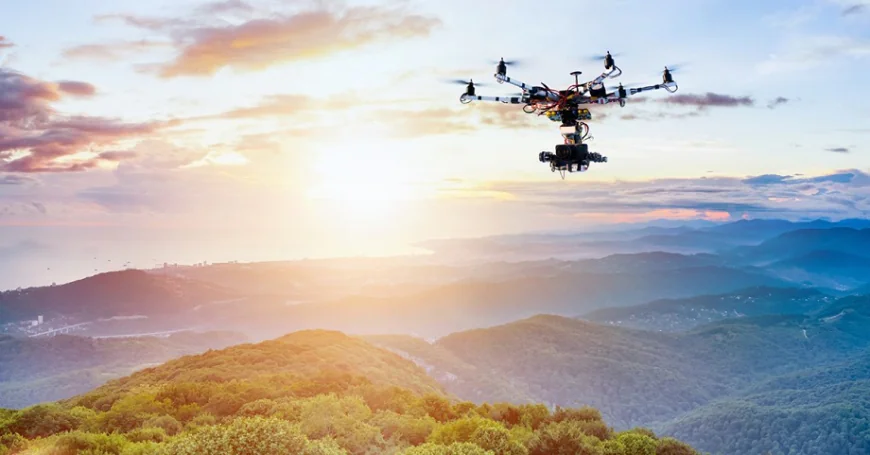
Cinematography through drones Photo: BIS Research
Aerial cinematography and filmmaking
The entertainment industry has been revolutionised by drones, which capture sweeping aerial shots that once required expensive helicopters. From Hollywood blockbusters to wedding videos, drone cinematography has democratised aerial filmmaking.
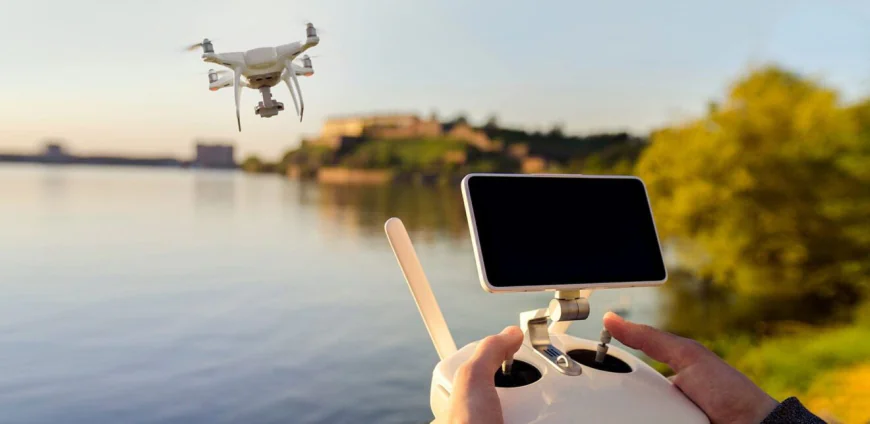
Consumer drones have put the power of aerial photography in the hands of millions Photo: Thimble
Photography
Consumer drones have put the power of aerial photography in the hands of millions. Social media is filled with stunning bird's-eye views of landscapes, cities and natural wonders, captured by hobbyist photographers using affordable quadcopters.
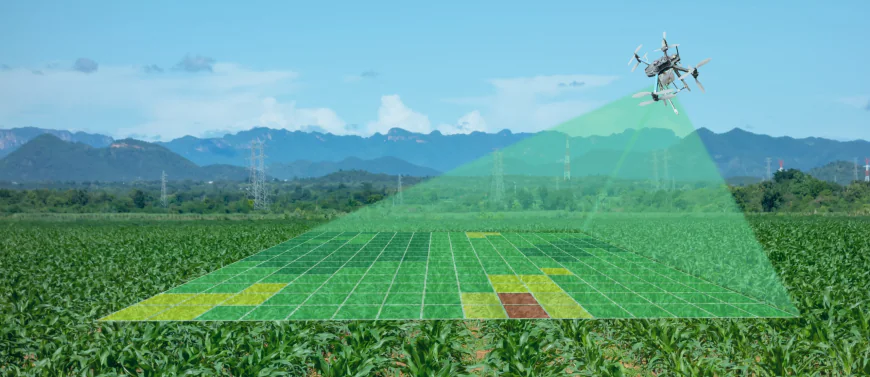
Drone being used in land surveying and mapping the ground below. Image source: adobe stock
Survey and mapping
Construction companies, real estate developers, and environmental researchers use drones to create detailed 3D maps and models of terrain, buildings and archaeological sites. This technology has dramatically reduced the time and cost of traditional surveying methods.
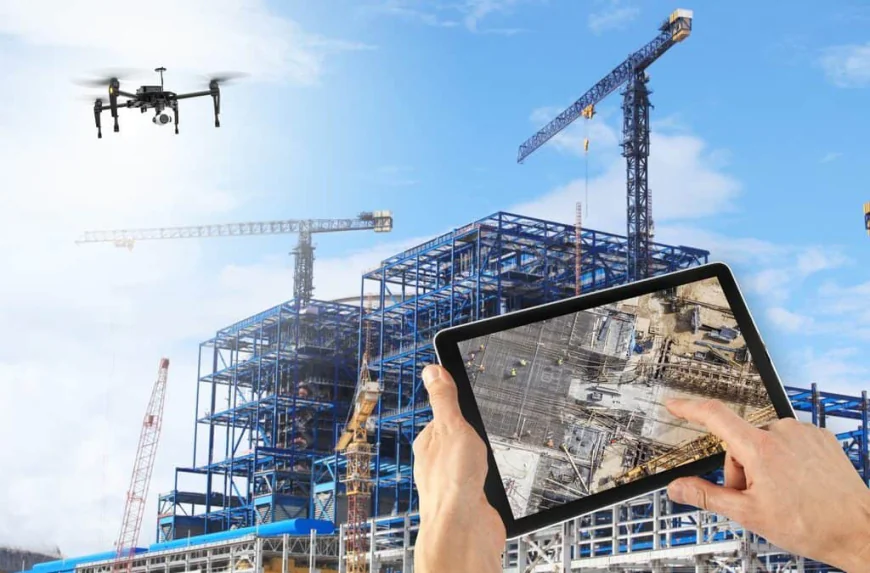
Drone usages in construction work Photo: North Construction
Construction industry
Drones monitor construction progress, inspect hard-to-reach areas, and create progress reports for project managers. They can identify potential safety issues before they become serious problems, saving both time and money.
Package delivery and logistics
Delivery services now account for 7% of operations, driven by companies like Amazon, UPS, and various logistics firms experimenting with last-mile package transport. In rural areas and developing countries, drones are delivering medical supplies, vaccines, and essential goods to remote communities.
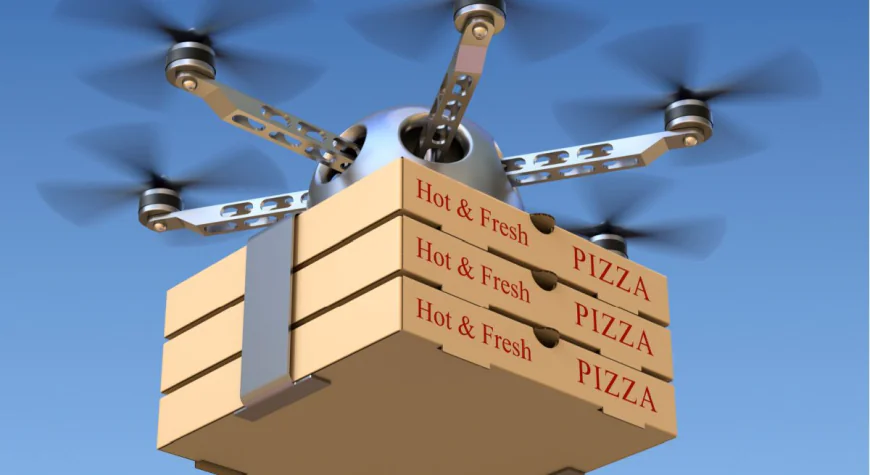
Several companies are testing drone-based food delivery systems Photo: Modern Resturant Management
Food delivery
Several companies are testing drone-based food delivery systems; promising hot meals delivered directly to customers' doorsteps within minutes of ordering. While still in early stages, this application shows significant potential for urban areas.
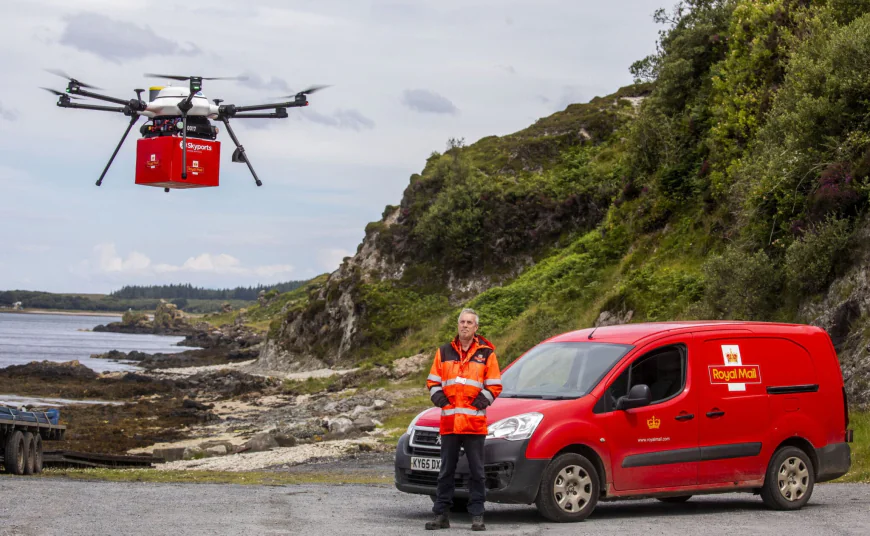
Postal services in several countries have successfully integrated drones into their mail delivery networks. Photo: Skyports
Mail delivery
Postal services in several countries, including Switzerland, Germany and Rwanda, have successfully integrated drones into their mail delivery networks, particularly for time-sensitive documents and packages.
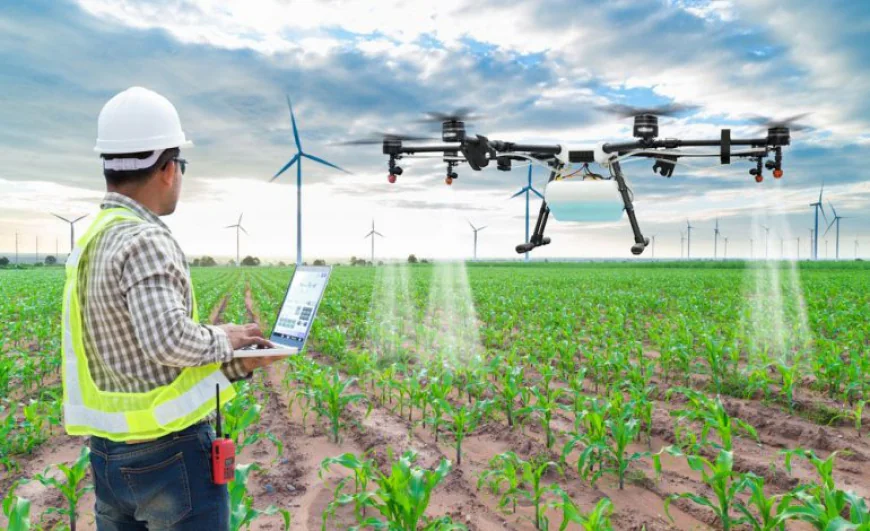
Technician farmers use Wi-Fi computer control agriculture drones fly to sprayed fertilizer on the corn fields Photo: ET Edge Insights
Agriculture
Drones equipped with multispectral sensors allow farmers to monitor crop health, optimise pesticide use, and improve yields. They can survey hundreds of acres in minutes, identifying problem areas that would take days to locate on foot.
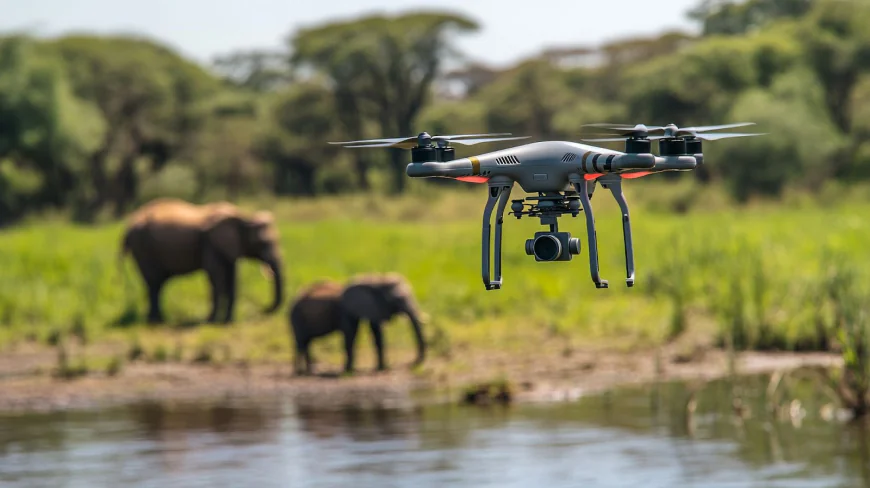
Conservationists use drones to track endangered species Photo: Fly and Tech
Tracking wildlife
Conservationists use drones to track endangered species, monitor migration patterns and combat poaching. These aircraft can cover vast wilderness areas without disturbing wildlife, providing invaluable data for preservation efforts.
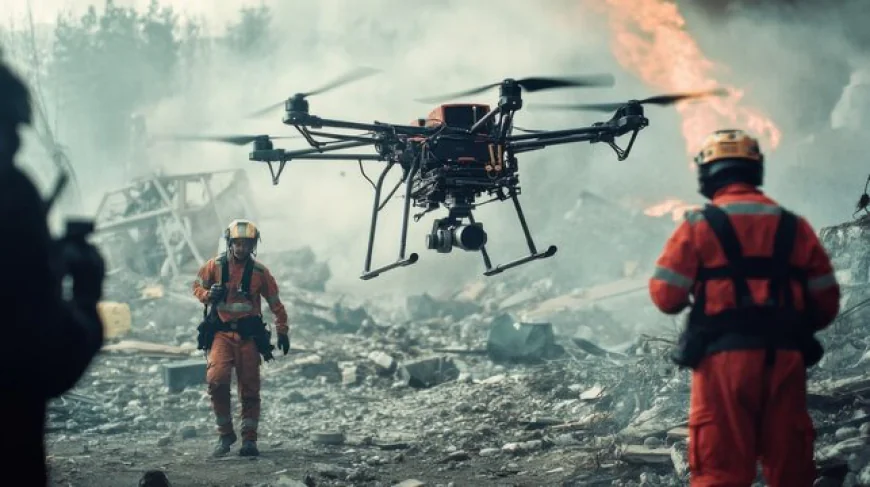
When every second counts, drones can locate missing hikers, avalanche victims, or disaster survivors far faster than ground teams Photo: Ainstein
Search and rescue
When every second counts, drones can locate missing hikers, avalanche victims, or disaster survivors far faster than ground teams. Equipped with thermal cameras, they can spot body heat through dense forest canopies or rubble.
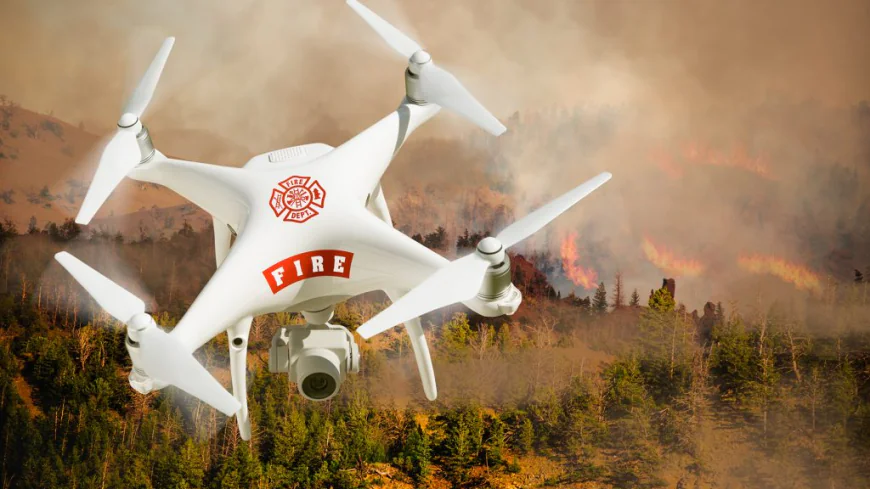
Drone usage in disaster management. Photo: shutterstock/Andy Dean
Disaster management
In the aftermath of earthquakes, floods or hurricanes, drones assess damage, locate survivors, and deliver emergency supplies to inaccessible areas. They were instrumental in rescue efforts following recent natural disasters worldwide.
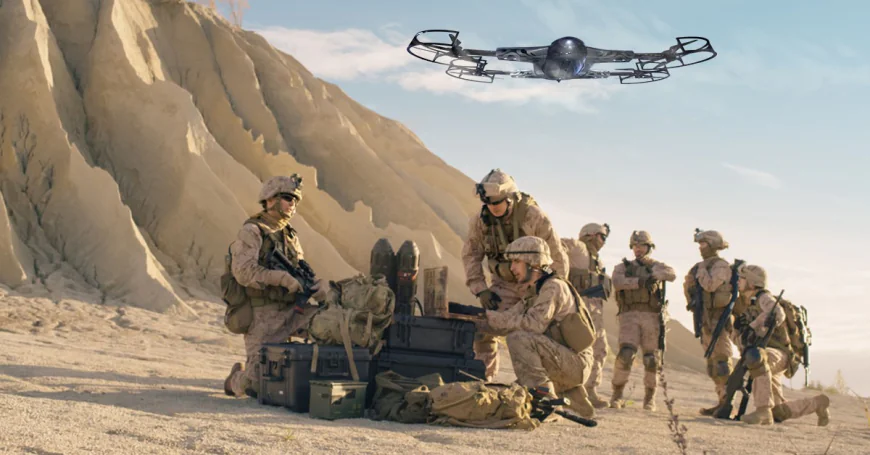
Drone has changed modern-day warfare. Photo: Zena Drone
Security, surveillance and war
Law-enforcement agencies and private security firms employ drones for crowd monitoring, border patrol, and event security. However, this application has raised significant privacy concerns that regulators continue to address. Perhaps no sector has been transformed more dramatically by drone technology than modern warfare. Military applications continue to drive innovation. Armed drones like the American MQ-9 Reaper and Turkish Bayraktar TB2 have changed the calculus of modern warfare.
What's Your Reaction?
 Like
0
Like
0
 Dislike
0
Dislike
0
 Love
0
Love
0
 Funny
0
Funny
0
 Wow
0
Wow
0
 Sad
0
Sad
0
 Angry
0
Angry
0


Comments (0)