Eid rush lifts remittance inflow by 41%
Strong expatriate earnings provide relief to Bangladesh’s foreign exchange market amid external payment pressure
 ATT Correspondent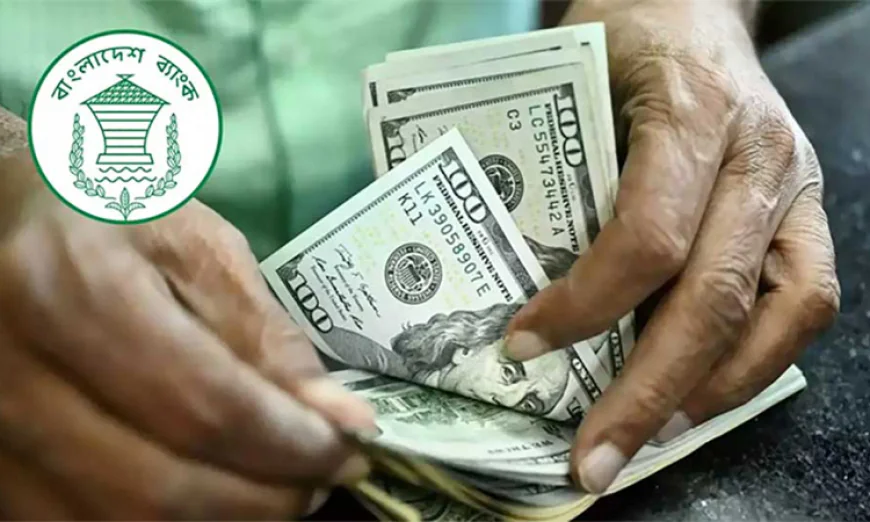
Bangladesh recorded a sharp rise in remittance inflows ahead of Eid-ul-Adha, as expatriate Bangladeshis sent home significantly larger amounts of foreign currencies to support their families during this festival season of sacrifice, according to data from Bangladesh Bank.
The country's central bank said remittance inflows reached nearly $2.98 billion during the first 23 days of May, marking a strong year-on-year increase and providing a much-needed boost to the country’s foreign exchange reserves at a time when external payment pressure continues to weigh heavily on the economy.
Data released by Bangladesh Bank showed that expatriates remitted $2.976 billion between May 1 and May 23 this year, compared with $2.116 billion during the same period last year, registering a 41.31% increase.
The latest surge continues the strong upward trend in remittances throughout the current fiscal year and is expected to help steady the foreign exchange market, which has remained under strain due to high import costs, mounting debt repayments and persistent demand for US dollars.
According to central bank figures, total remittance earnings during the first 10 months and 23 days of FY2025-26 — from July 2025 to May 23, 2026 — stood at $32.31 billion, up from $26.64 billion during the corresponding period of the previous fiscal year.
This represents a 21.26% rise in remittance inflows year-on-year.
Economists and banking sector officials said seasonal demand linked to Eid-ul-Azha played a key role in driving up remittance transfers. Bangladeshi expatriates traditionally send larger sums home ahead of major religious festivals to help cover family expenses, including the purchase of sacrificial animals, food and other household costs.
However, analysts believe global factors also played their part in the unusually strong growth this year.
The Middle East — the largest source region for Bangladesh’s remittance earnings — has recently witnessed heightened geopolitical tensions and security uncertainty in several countries. Banking sector insiders said many expatriate workers may have opted to transfer their savings home sooner rather than later amid concerns over regional instability.
The robust remittance performance is being seen as a silver lining for Bangladesh’s economy, particularly as the country grapples with rising foreign debt servicing obligations and slower inflows of foreign aid.