T3 opening at HSIA faces fresh delay risk
Repeated delays in appointing an operator raise questions over whether vested interests are working against the launch of Dhaka's long-awaited aviation gateway
 ATT Correspondent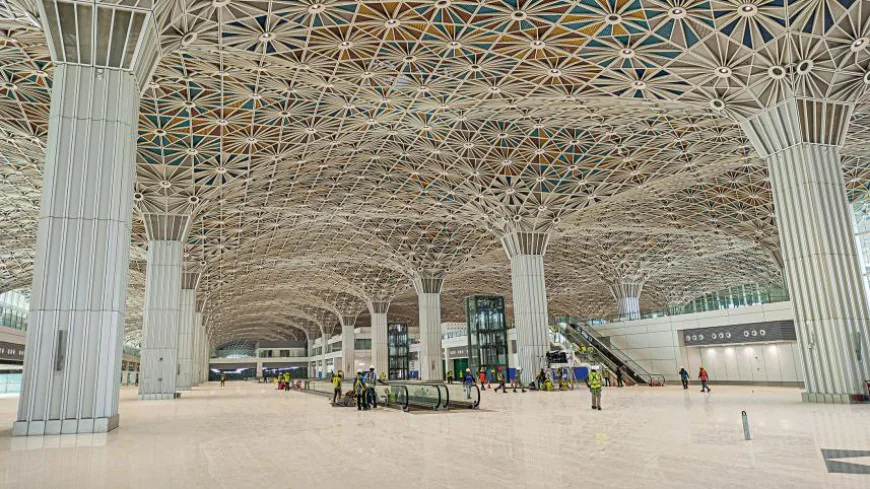
The long-awaited Third Terminal (T3) at Hazrat Shahjalal International Airport in Dhaka is entering a critical phase, with the government racing to meet its December 2026 opening deadline amid concerns that continued delays in appointing an operator could once again hold back the project. The previous target dates for opening were 2024 and 2025.
The terminal is nearly complete but remains largely unused while the operating agreement is being finalised. At the same time, the government has already begun repaying the loan taken for the $2.1 billion project, with instalments scheduled to continue until 2056.
The situation has raised questions in aviation and policy circles over whether the delays are solely administrative or whether vested interests may be benefiting from keeping the facility from becoming fully operational.
Civil Aviation Authority of Bangladesh (CAAB) Chairman Air Vice-Marshal Md Mostafa Mahmud Siddiqui said on Monday that an agreement with a Japanese consortium could be signed by the end of August or in early September.
"Japanese companies will submit their tender on July 31. A decision will then be taken. The agreement is likely to be signed by the end of August or in early September," he told reporters after a workshop at the CAAB headquarters.
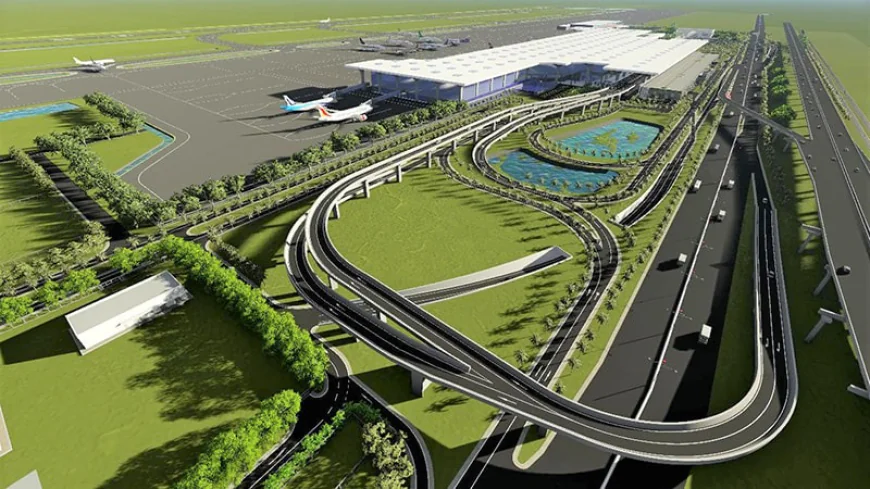
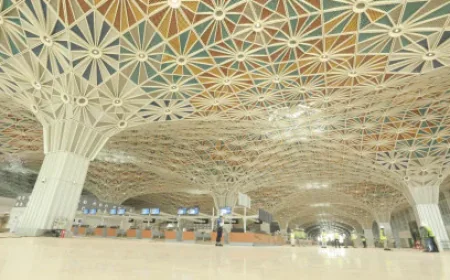
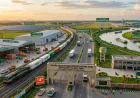
The architectural design of the third terminal of Hazrat Shahjalal International Airport in Dhaka construction of which is a critical step towards modernising the country’s air travel capabilitiesand meeting growing passenger demands. Photo: TravelMate Bangladesh
The government has committed to opening the terminal in December, with Prime Minister Tarique Rahman directing the authorities to accelerate the process after the BNP-led government took office in February.
However, time is becoming a major factor. After the agreement is signed, the operator will need to take responsibility for the terminal's sophisticated equipment, conduct testing and calibration, recruit staff and prepare the facility for commercial operations. Such processes can take several months at a major international airport.
CAAB is therefore seeking to ensure that the terminal does not face another cycle of opening and closure.
"We have requested the Japanese consortium to ensure that operations do not stop after the inauguration," the CAAB chairman said. "Initially, we may be able to handle 20 percent to 25 percent of the traffic there. Scheduled flights will then be shifted gradually."
The proposed consortium comprises Japan Airport Terminal Company, Sumitomo Corporation, Sojitz Corporation and Narita International Airport Corporation.
Japan's involvement is significant as the country has long been one of Bangladesh's key development partners. The Japan International Cooperation Agency (JICA) has also played a major role in financing the third terminal project.
A foreign aviation expert based in the Middle East said Bangladesh should avoid allowing negative campaigns and unnecessary complications to undermine major infrastructure projects supported by international development partners.
The expert pointed to countries such as Singapore, Malaysia, Thailand and Vietnam, which made significant economic progress while working with Japanese companies and development organisations.
"Development partners and international companies can lose confidence when projects face repeated delays and negative campaigns even after the core infrastructure has been completed," the expert said.
The third terminal project was reportedly around 90 percent complete before the fall of the previous government in August 2024. However, efforts to appoint an operator subsequently failed to produce a final agreement.
The interim government also attempted to reach a deal with a four-company Japanese consortium, but the agreement was not finalised. Representatives of the consortium later held meetings with several ministers, state ministers and an adviser in March and April this year.
The stakes are high. The terminal was designed to modernise Bangladesh's aviation infrastructure and strengthen Dhaka's position as a regional gateway for passengers, trade and tourism. Keeping the facility underused while loan repayments have begun is adding to the financial and strategic pressure.
The immediate challenge is now to remove the remaining administrative and operational hurdles and ensure that competing interests or further delays do not derail the government's December deadline.
After years of construction and delays over its operation, the third terminal is finally within reach of becoming fully functional. Whether it opens on time will now depend on how quickly the remaining decisions are made.