Hills offer cooler escape than beaches amid heatwaves
With temperatures rising across much of the country and heatwaves becoming increasingly frequent, travellers are once again searching for destinations that offer comfort, relaxation and relief from the scorching weather
 ATT Correspondent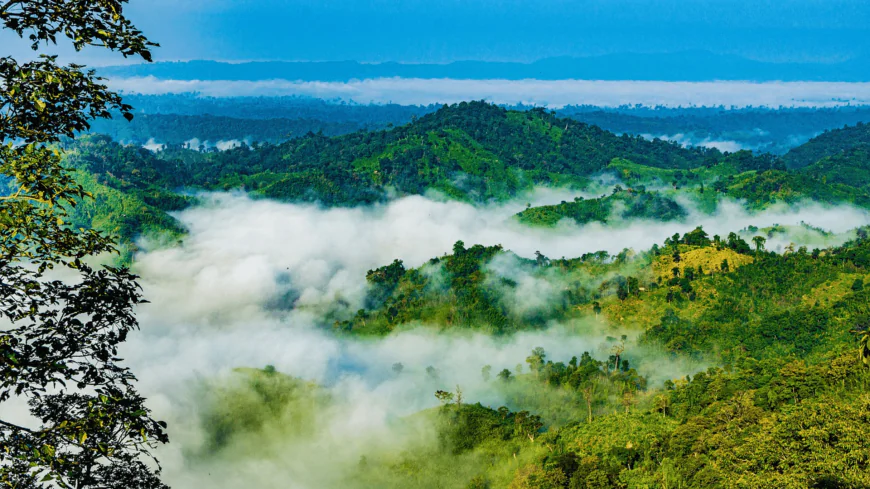
Bangladesh's tourism industry is entering another summer amid a severe heatwave sweeping across the country, intensifying public suffering and leaving many people exhausted. Children and elderly people, in particular, are falling ill as temperatures continue to soar under the relentless heat.
With temperatures rising across much of the country and heatwaves becoming increasingly frequent, travellers are once again searching for destinations that offer comfort, relaxation and relief from the scorching heat of the summer sun.
The question many holidaymakers face is simple: should they head for the hills or the sea?
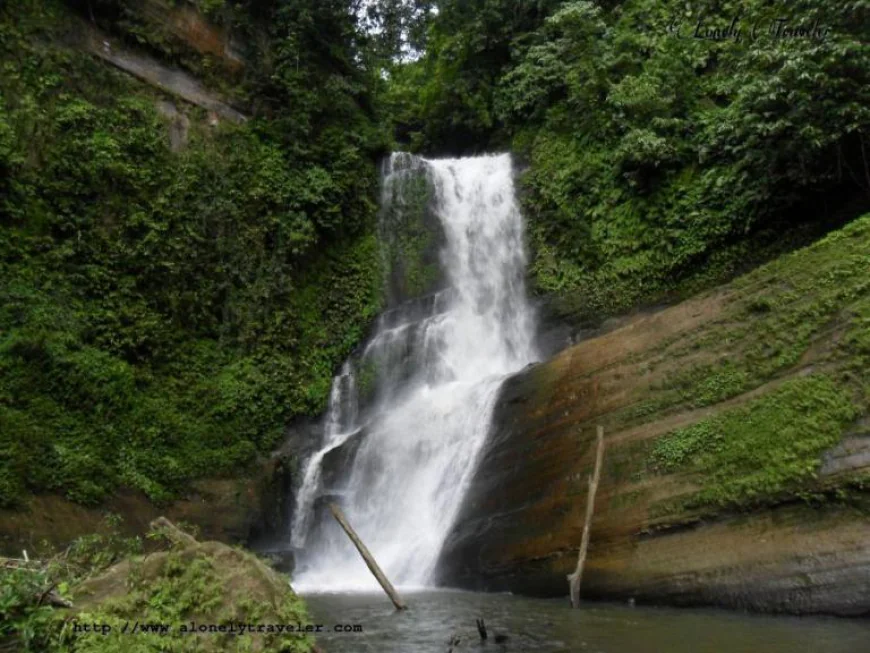
The Sijuk Waterfall in khagrachari. Photo: Collected
For decades, Cox's Bazar has dominated Bangladesh's tourism industry. The country's longest sea beach remains the first choice for millions of domestic tourists, particularly during school holidays and long weekends. Kuakata, Saint Martin's Island and other coastal attractions have also built strong reputations as summer destinations.
Yet the reality of climate change is beginning to reshape travel preferences.
While beaches continue to attract visitors, the summer months often bring high humidity, intense sunshine and crowded conditions along the coast. The sea breeze offers some respite, but temperatures can remain uncomfortable, especially during peak daytime hours.
In contrast, Bangladesh's hill districts are increasingly offering what many urban residents seek most during a heatwave: cooler temperatures, greenery and tranquillity.
Destinations such as Bandarban, Rangamati, Khagrachhari and Sylhet's Jaflong combine natural beauty with comparatively comfortable weather conditions. Waterfalls, forests, lakes and mountain viewpoints provide experiences that feel a world away from the heat and congestion of the country's major cities.
The growing popularity of trekking, hiking and eco-tourism reflects a broader shift in traveller behaviour. Rather than simply visiting a destination, many tourists now seek immersive experiences that connect them with nature and support physical and mental well-being.
This trend could present a significant opportunity for Bangladesh's tourism sector.
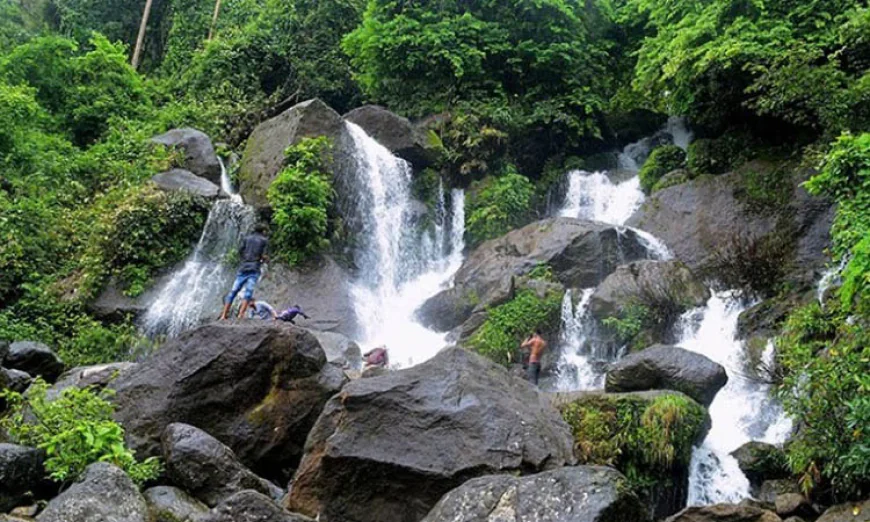
The Songrampunji Waterfall at Jaflong in Sylhet. Photo: Wikipedia
As climate pressures increase, policymakers and tourism entrepreneurs may need to rethink traditional tourism strategies. Investment in sustainable hill tourism, eco-resorts, nature trails and community-based tourism projects could help diversify the sector while easing pressure on overcrowded coastal destinations.
That does not mean beaches will lose their appeal. Coastal tourism remains an important pillar of the industry, particularly for families, couples and leisure travellers seeking resort experiences and recreational activities.
However, the ongoing heatwave highlights an emerging reality: weather is becoming an increasingly important factor in travel decisions.
For many Bangladeshis this summer, the choice may ultimately come down to comfort. When temperatures climb well above seasonal norms, the cool breeze of Bandarban's hills or the misty landscapes of Sylhet may prove more appealing than the sun-baked sands of the coast.
As Bangladesh adapts to a warming climate, the country's tourism map may gradually shift from a beach-centric model towards one in which the hills play an increasingly important role in attracting domestic travellers.