

US-Israel-Iran war jeopardises global aviation
Alongside soaring prices, the industry is bracing for a jet fuel shortage as the International Energy Agency head two weeks ago warned that Europe had about six weeks of jet fuel supplies remaining

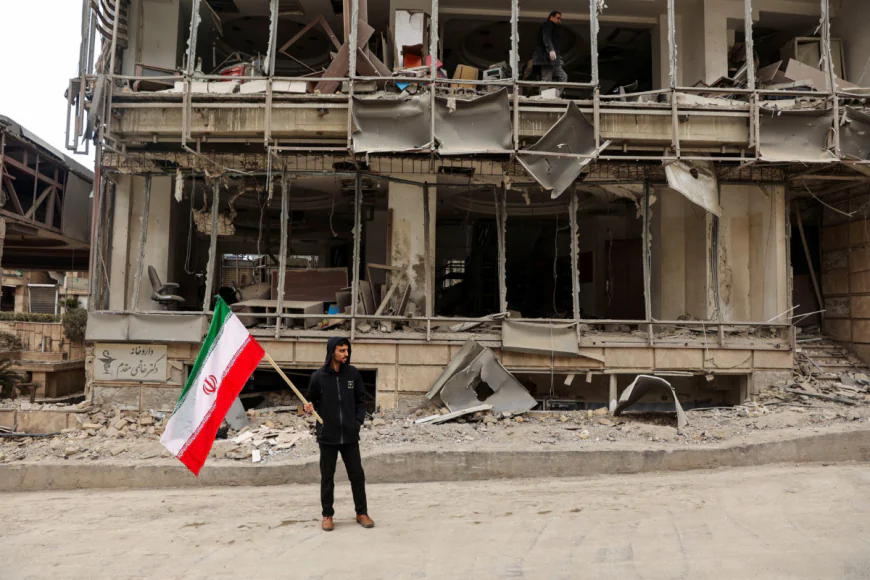
Jet fuel prices have more than doubled since the US and Israel launched attacks on Iran in February. The main reason is disruptions in the Strait of Hormuz, a vital waterway through which around a fifth of the world's oil and gas shipments pass.
Marina Efthymiou, an aviation management professor at Dublin City University, said that jet fuel prices in Europe rose from about €68.27 ($80) a barrel in February to €153.84 ($180) by the end of April, citing data from the International Air Transport Association, reports German news agency Deutsche Welle (DW).
"If fuel prices, which account for 25% to 50% of an airline's operating costs, remain high and airlines have not hedged, they could go bankrupt," she said.
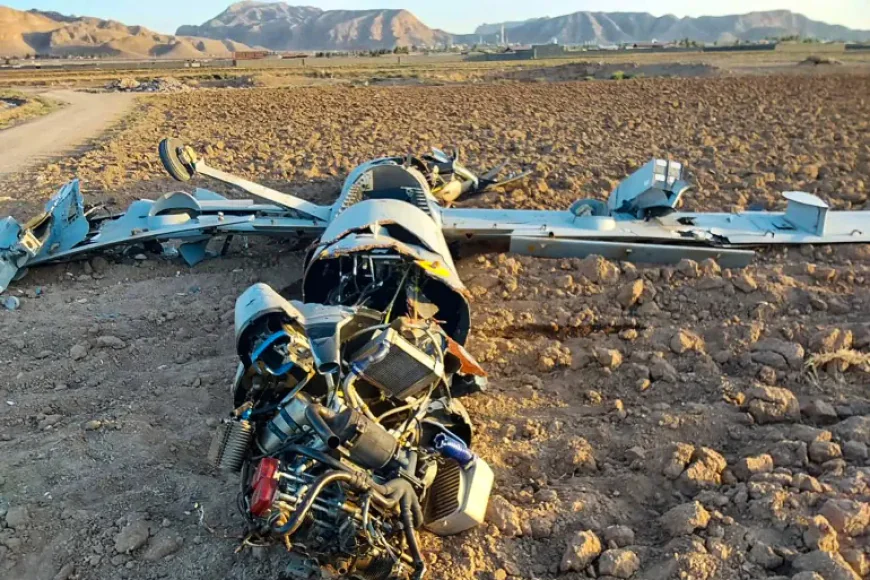
Wreckage of Israeli Hermes drone shot down by Iran during the recent conflict. Photo: Iranian Army Media Office/AFP
Alongside soaring prices, the industry is bracing for a jet fuel shortage. Two weeks ago, the head of the International Energy Agency warned that Europe had about six weeks of jet fuel supplies remaining.
Europe consumes around 1.6 million barrels of jet fuel a day and produces 1.1 million barrels domestically. Much of the remaining 500,000 barrels previously came from the Middle East via the Strait of Hormuz, which is now largely impassable.
Air travel to cost more as airlines cut flights
Several airlines are passing higher fuel costs on to passengers. Air France-KLM has reportedly introduced a €100 surcharge on long-haul flights, while Lufthansa announced on April 22 that it would cut 20,000 short-haul flights over the next six months. Scandinavian Airlines plans to cancel about 1,000 flights.
"We are obliged to do so, because otherwise we will be bankrupt within a few months," said Sebastien Justum, Air France-KLM's senior vice-president, at a recent event in the European Parliament.
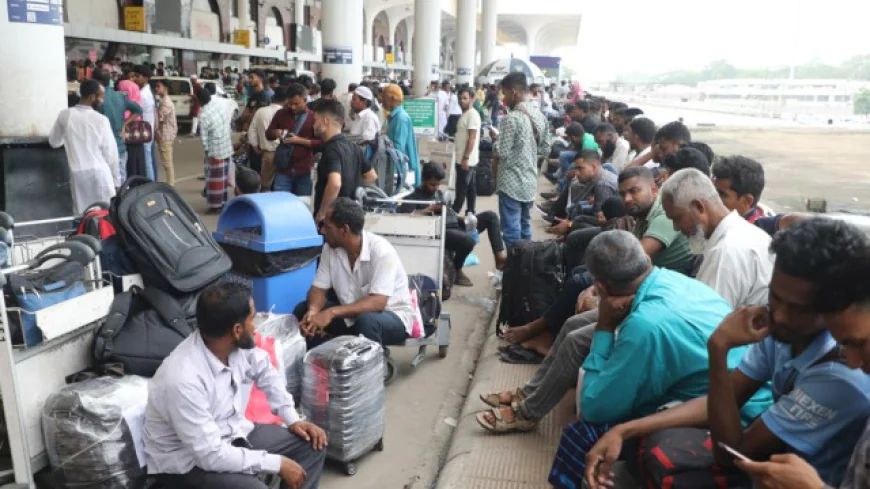
Flight cancellations at Dhaka airport leave hundreds of passengers stranded. Photo: Collected
Airfares have risen 24% over the past year, according to a report by advisory firm Teneo.
Andrew Charlton, managing director of Aviation Advocacy, said fuel supplies remain adequate for now but uncertainty hangs over the market.
"That uncertainty, and the extra cost of keeping tanks full, is making tickets more expensive," he told DW. "Travellers should expect fewer seats and fewer bargains."
Industry seeks relief measures
Airlines for Europe (A4E), which represents 16 airlines and around 80% of European air traffic, has urged the EU to take swift action to ease the impact of the Iran war.
The group wants temporary flexibility in anti-tankering rules, which require airlines to load 90% of the fuel needed for flights within the bloc. The rules are designed to discourage carriers from buying cheaper fuel in countries with lower environmental standards.
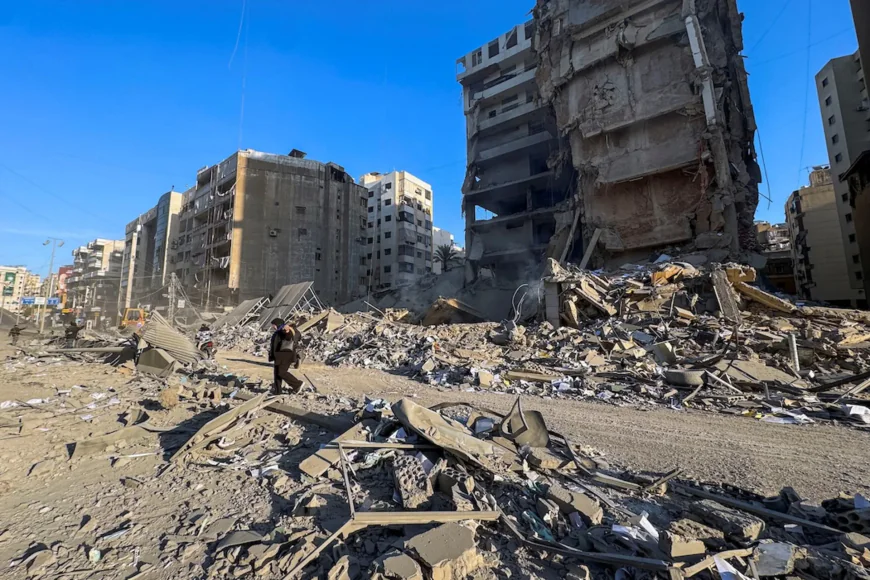
A view of a damaged building after an Israeli strike in Beirut, Lebanon, on March 6, 2026. Photo: Reuters
A4E has also called for a temporary suspension of the EU's Emissions Trading System, under which airlines must pay for carbon emissions.
"These are temporary measures to help us weather the storm, alongside longer-term planning for the future," said A4E Managing Director Ourania Georgoutsakou.
Airports Council International (ACI) has called for alternative fuel imports, joint procurement by EU member states and closer coordination.
"The current level of jet fuel prices and the prospect of another cost-of-living crisis mean many regional airports are likely to face both supply and demand shocks," ACI Europe Director General Olivier Jankovec said in a statement on April 28. "For them, this is nothing short of an existential threat."
However, he noted that European airports are not yet facing fuel shortages.
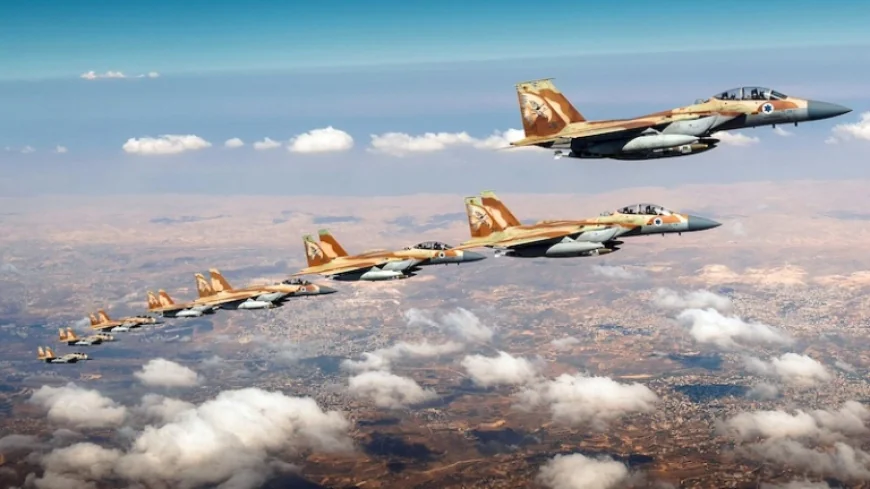
A squadron of Jordanian fighter jet fly over the capital city of Amman as a precautionary measure to prevent any probable Iranian strike. Photo: Jordan Air Force
EU steps up coordination
"In just 60 days of conflict, our bill for fossil fuel imports has increased by more than €27 billion," European Commission President Ursula von der Leyen told the European Parliament on Wednesday.
She stressed the need for stronger coordination among member states.
"We propose stronger coordination, not only in filling national gas storage, but also when it comes to fuel reserves — especially jet fuel and diesel, where markets are tightening," she said.
Last week, the European Commission launched its AccelerateEU plan, which includes monitoring jet fuel stocks and coordinating supplies for airlines and airports across the bloc.
Charlton said an EU-wide fuel observatory to map supplies and optimise distribution is already operational and "praiseworthy".
Others argued that monitoring and coordination may ease pressure but cannot fully offset a prolonged crisis.
"It can stop a national shortage from becoming a continent-wide panic, but it cannot create fuel that isn't there," Efthymiou said.
A view of a damaged buildings after an Israeli strike in Beirut, Lebanon, on March 6, 2026. Photo: Reuters
Exporters hold back supplies
Jet fuel exporters are also becoming more cautious as supplies tighten.
"Much of the world's jet fuel is refined in Asia — South Korea is the largest exporter — but Asian countries are starting to limit exports because their crude oil also comes from the Middle East," Efthymiou said.
The EU is nevertheless seeking to reassure travellers and the aviation sector.
"While we need to prepare for the worst-case scenario, we also need to avoid overly alarming messages that create confusion or panic among travellers," European Commissioner for Sustainable Transport and Tourism Apostolos Tzitzikostas said in Cyprus on Wednesday. "We are doing our utmost to anticipate and contain the impact of this very difficult situation."
He warned, however, that if travellers lose confidence and postpone holiday bookings, an economic crisis could arrive sooner than expected.
What's Your Reaction?
 Like
0
Like
0
 Dislike
0
Dislike
0
 Love
0
Love
0
 Funny
0
Funny
0
 Wow
0
Wow
0
 Sad
0
Sad
0
 Angry
0
Angry
0



Comments (0)