Bangladesh among 50 nations affected by US visa bond rule
The rule became final on Monday, and more countries could be added to the list in future
 ATT Desk Report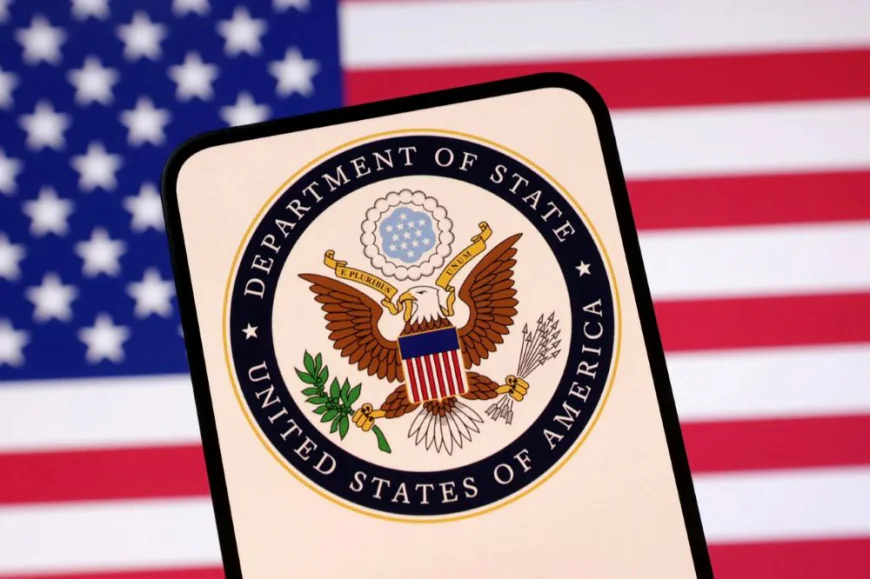
The US State Department has made its visa bond programme permanent following a year-long pilot, introducing the rule for citizens of 50 countries, including Bangladesh, Nepal and Bhutan. The maximum bond amount has also been increased to $20,000, according to Indian Express and Associated Press (AP).
What is changing?
A draft notice published in the Federal Register on Friday said a year-long review found sufficient data to show the bond programme was effective. The rule becomes final on Monday, and more countries could be added to the list in future.
Under the pilot programme, bonds ranged from $5,000 to $15,000, set at the discretion of a consular officer. The new rule raises the maximum amount to $20,000 and removes the $5,000 option, leaving only $10,000 and $20,000 as the available amounts.
Who does this affect, and how does it work?
The rule applies to people applying for B1 and B2 visas, which are used for business and tourist travel to the US. Applicants from the listed countries must pay the bond before their visa interview. The money is refunded if the visa is denied or if the traveller complies with the visa conditions after entering the country.
The Trump administration launched the programme in August last year to reduce visa overstays as part of a wider effort to curb illegal immigration. Officials estimate that arresting and deporting someone who overstays a visa costs the government around $18,000.
Does this affect South Asian travellers?
Along with most African nations, the list includes Bangladesh, Nepal and Bhutan, three countries with close travel, trade and diaspora ties to India.
Citizens of these countries applying for US tourist or business visas will now be required to post a bond as a permanent requirement rather than a temporary pilot measure. The new rule could affect students, workers and families from the region who travel to the US regularly or plan to do so in the future.
Has the programme worked, according to the government?
State Department officials have described the programme as a success. In 2024, nearly 45,500 visitors from the 50 listed countries overstayed their visas. During the first 10 months of the pilot, that number fell to fewer than 50 among applicants covered by the programme, according to the notice.
The department had originally expected around 2,000 applicants a year to be required to post a bond. Instead, about 20,000 applicants were found to be covered by the requirement. Nearly half chose not to pay, and business and tourist visa issuance to citizens of the listed countries fell by 83 percent.
The notice said the rule "will contribute to the continued reduction of demand" for these visa categories among nationals of the listed countries.
Critics argue that the bond amounts place an unfair burden on people from lower-income countries who want to visit family, study or explore business opportunities in the US.
The full list of 50 countries
Algeria, Angola, Antigua and Barbuda, Bangladesh, Benin, Bhutan, Botswana, Burundi, Cabo Verde, Cambodia, Central African Republic, Côte d'Ivoire, Cuba, Djibouti, Dominica, Ethiopia, Fiji, Gabon, The Gambia, Georgia, Grenada, Guinea, Guinea-Bissau, Kyrgyz Republic, Lesotho, Malawi, Mauritania, Mauritius, Mongolia, Mozambique, Namibia, Nepal, Nicaragua, Nigeria, Papua New Guinea, Sao Tome and Principe, Senegal, Seychelles, Tajikistan, Tanzania, Togo, Tonga, Tunisia, Turkmenistan, Tuvalu, Uganda, Vanuatu, Venezuela, Zambia and Zimbabwe.