Govt turning Cox's Bazar tourism potential into reality
For too long, the world's longest natural sea beach has been treated as little more than a weekend destination for domestic holidaymakers rather than the crown jewel it could become
 ATT Desk Report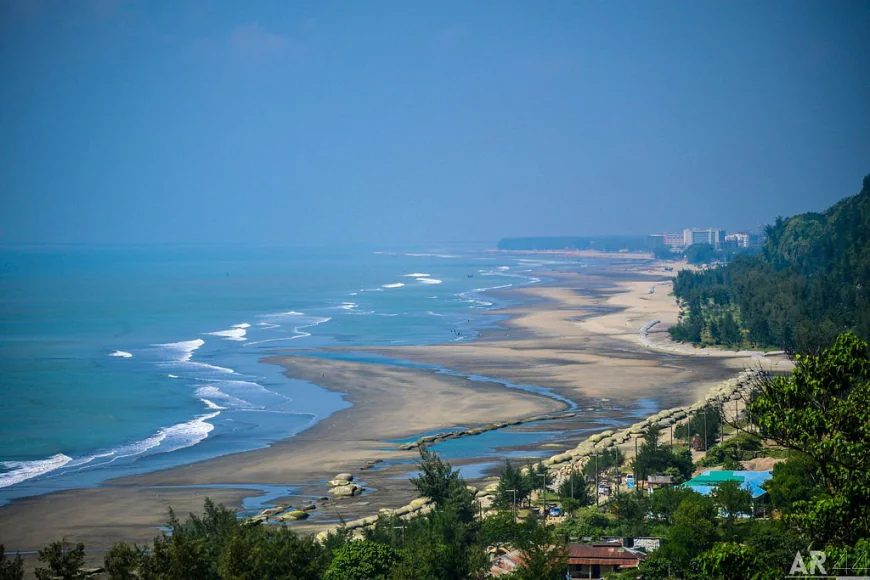
The government's Tk 2,500 crore blueprint to transform Cox's Bazar into a global tourism hub deserves a warm welcome.
For too long, the world's longest natural sea beach has been treated as little more than a weekend destination for domestic holidaymakers rather than the crown jewel it could become, according to a report of the local English broadsheet Daily Sun.
A professionally prepared master plan, backed by international consultants from Britain, France, Spain and India, and developed through a public-private partnership, is exactly the kind of ambition the sector has long lacked.
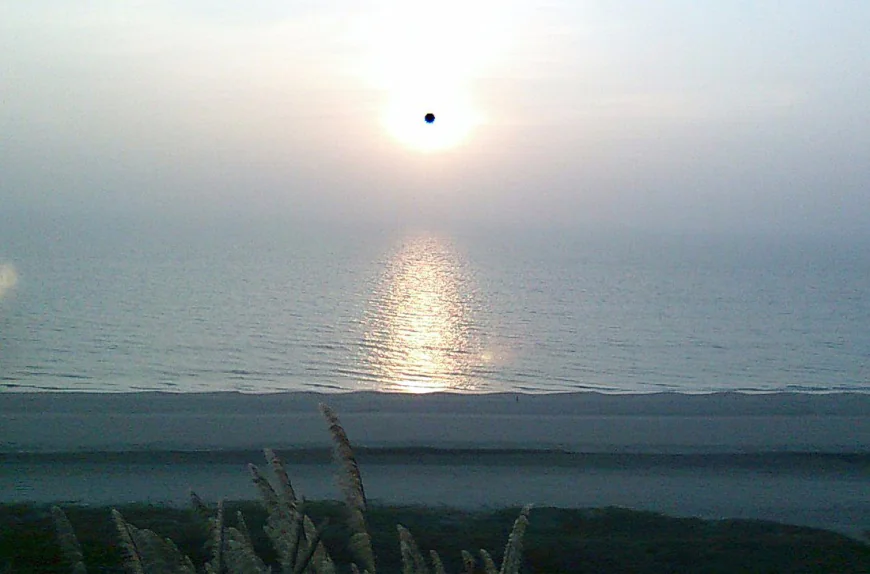
The sea meets the sky into the horizon. Photo: Md M Hasan/Tripadvisor
The vision of hotels, resorts, an aquarium and dedicated leisure facilities designed to encourage visitors to stay for several days, rather than make a brief beach visit, reflects an encouraging shift from postcard tourism to destination tourism.
Coupled with the planned airport upgrade, this could finally give Cox's Bazar the international standing it has long deserved.
Yet ambition alone will not fill hotel rooms with foreign guests. Bangladesh's tourism figures remain strikingly modest: the country receives roughly 650,000 international tourists each year, generating around $411 million in revenue and contributing just over 2 percent to GDP, a fraction of what neighbouring Sri Lanka and Vietnam attract.
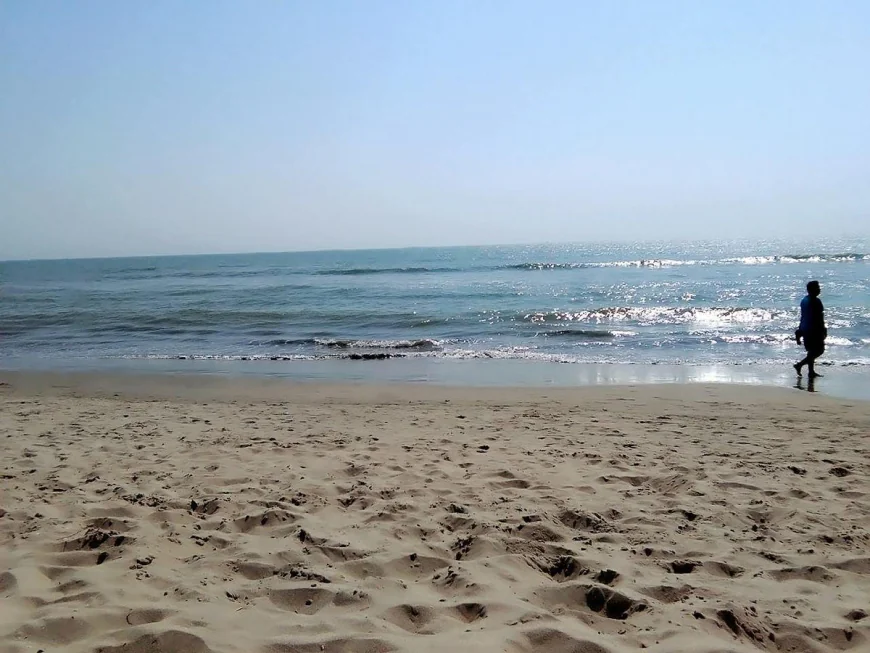
A man walks on the Cox's Bazar sea beach. Photo: Paul Anderson/Tripadvisor
Foreign tourism earnings actually fell from $453 million in 2023 to $440 million in 2024, a warning sign that infrastructure gaps and logistical bottlenecks are already undermining confidence. No amusement park or Ferris wheel will compensate for poor road connectivity, unreliable ferry services or the absence of visible policing along tourist routes.
Security and cleanliness must therefore be at the heart of this transformation, not treated as afterthoughts.
Foreign visitors place as much importance on personal safety, clean surroundings and reliable transport as they do on scenery when deciding where to spend their holidays and whether to return.
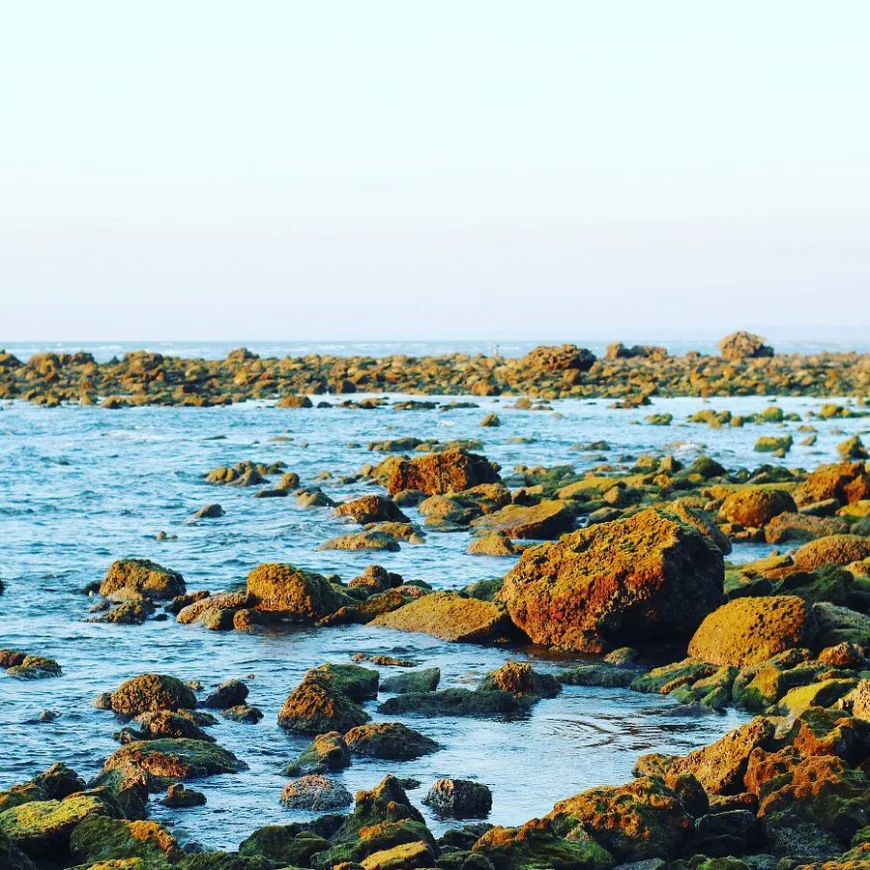
An eye-soothing view of the beach beside the marine drive from Cox's Bazar beach to Taknaf. Photo: Anwar Parvez/Tripadvisor
Bangladesh also needs a coordinated public awareness campaign, training tour guides, hoteliers and transport operators to regard hospitality as a national responsibility rather than simply a commercial service.
Simplifying visa procedures, expanding air connectivity beyond Dhaka and Sylhet, and improving signage and sanitation at heritage sites would deliver benefits far beyond Cox's Bazar alone.
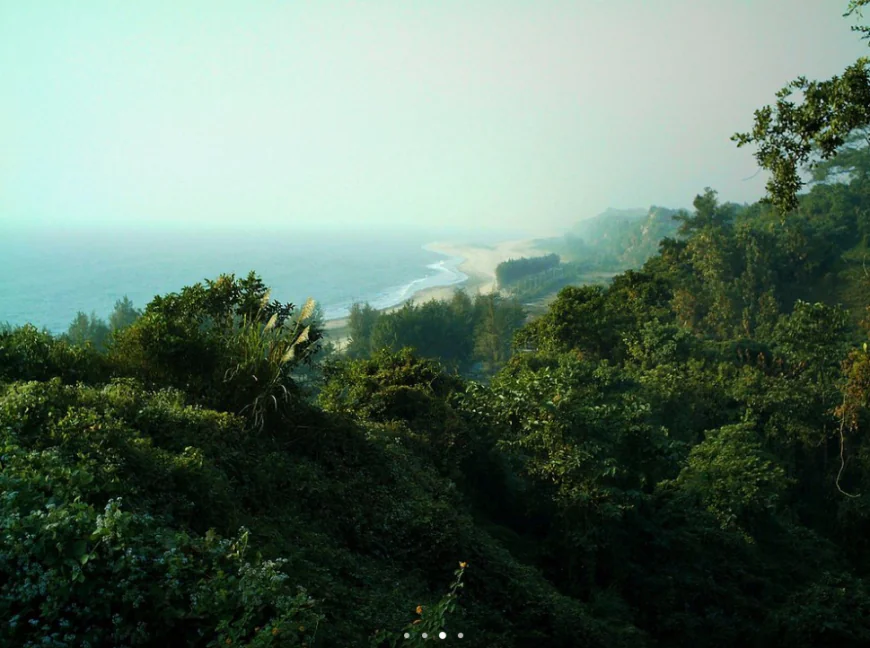
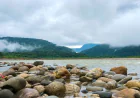
An excellent view of the Cox's Bazar sea beach from Himchori hilltop, very near from kolatoli beach. There is the sea beach at one side and the opposite side is full of big hills and waterfalls. Photo: Md M Hasan/TripAdvisor
Tourism, if developed properly, is a genuine goldmine, capable of generating employment, foreign exchange and soft-power gains without the capital intensity of manufacturing.
But goldmines require careful development. If the Cox's Bazar plan is matched by nationwide investment in safety, cleanliness and service standards, Bangladesh could finally turn its natural assets into a tourism economy worthy of their potential.