

Iran, US differ on ceasefire deal terms
Less than a week after the two sides signed the MoU to end more than three months of war, its contradictions are already shaping the next phase of diplomacy, turning the fragile deal into a battle over interpretation across the Strait of Hormuz, frozen funds, nuclear inspections, oil sanctions and Lebanon
The US-Iran memorandum is being implemented before Washington and Tehran have agreed on what it means, turning the fragile deal into a battle over interpretation across the Strait of Hormuz, frozen funds, nuclear inspections, oil sanctions and Lebanon.
Less than a week after the two sides signed the MoU to end more than three months of war, its contradictions are already shaping the next phase of diplomacy: Hormuz is open, but ships may still need Iranian permission; funds are 'available', but Washington says they may be channelled towards wheat, corn and other approved purchases; inspectors are “back”, according to US officials, but Iran says there is no plan for UN inspectors to visit bombed nuclear sites; oil sales have been authorised, but Vice President JD Vance says Tehran will not benefit unless it changes its behaviour; Lebanon is written into the deal, but Israel is not a party to it.
For Iran, ambiguity has become leverage. Officials in Tehran are insisting that implementation of the MoU’s early provisions is a precondition for talks on more sensitive issues, while rejecting US descriptions of what the next stage should include.
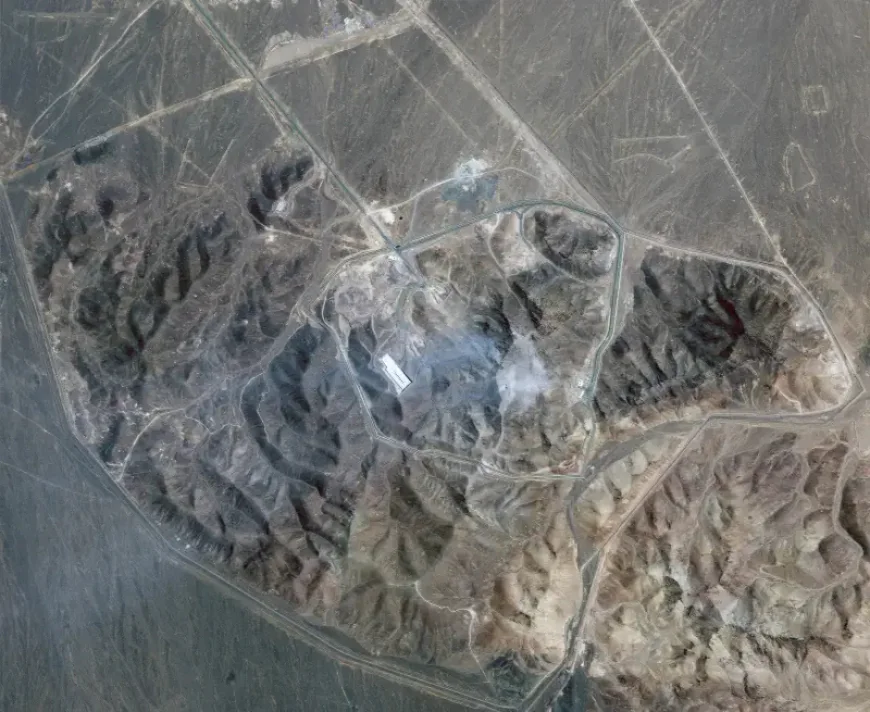
This satellite picture by Planet Labs PBC shows Iran’s underground nuclear enrichment site at Fordo following US airstrikes targeting the facility on June 22, 2025. Photo: Planet Labs PBC/AP
Nuclear sites and missiles
Iranian Foreign Ministry spokesman Esmaeil Baghaei said on Tuesday that Tehran had not met International Atomic Energy Agency (IAEA) chief Rafael Grossi in Switzerland and had no plans for UN nuclear inspectors to visit facilities damaged in US and Israeli strikes.
“We have not had a meeting with the director general of the International Atomic Energy Agency, nor do we have any plans for an agency inspection of Iran’s nuclear facilities that were damaged as a result of the military attack by the United States and the Zionist regime,” Baghaei said. “Basically, there is no procedure at all in this regard.”
That directly undercut Vance’s statement that talks on the return of inspectors could begin this week and President Donald Trump’s claim that Iran would agree to “major weapons inspections”.
Baghaei also ruled out talks on Iran’s missile programme.
“Iran’s defensive and missile capabilities have never been part of our talks, nor will they ever be subject to negotiation with any party,” he said.
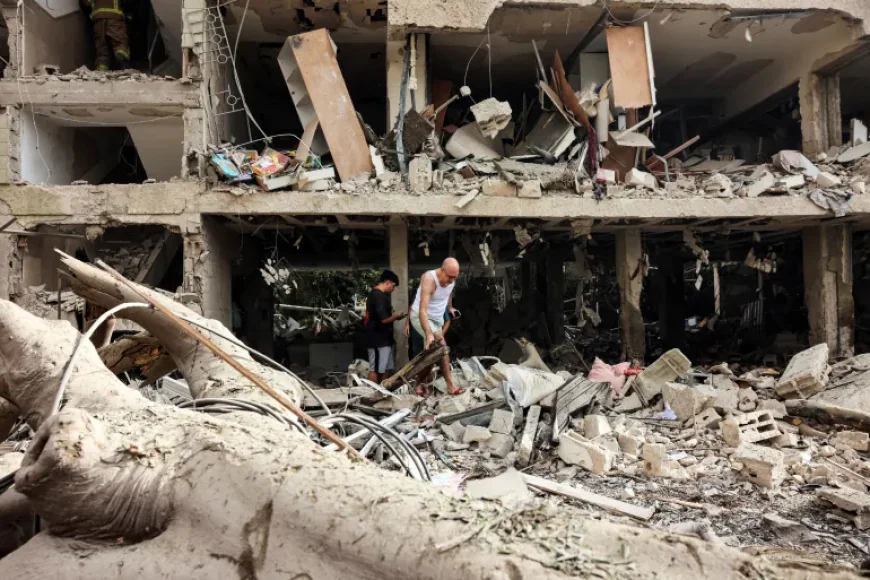
Residents evacuate from a destroyed building in Tel Aviv. Photo: Tomer Appelbaum/Reuters
Money, oil and the first rewards
The dispute over money is just as sharp. Baghaei rejected the idea that Iran had agreed to spend released assets on US agricultural goods, after Vance said Washington wanted a mechanism to steer funds towards purchases such as soy, corn and wheat.
Baghaei said Iran would use its assets based on national needs, including price and quality.
“What is important for us is access to assets that have been unjustly blocked,” he said.
At the same time, the US Treasury has issued a 60-day licence allowing Iran to produce, sell and deliver crude oil, petroleum products and petrochemicals, with related banking, insurance and transport services.
That gives both sides a political argument. Washington says deeper benefits remain conditional. Tehran can point to immediate oil authorisation and access to blocked assets as proof that pressure has begun to ease.
The same ambiguity surrounds the proposed $300 billion reconstruction framework. It exists in the text, but US officials have denied direct US or Qatari payments, leaving it unclear whether it means grants, investment, credit facilities or future regional funding.
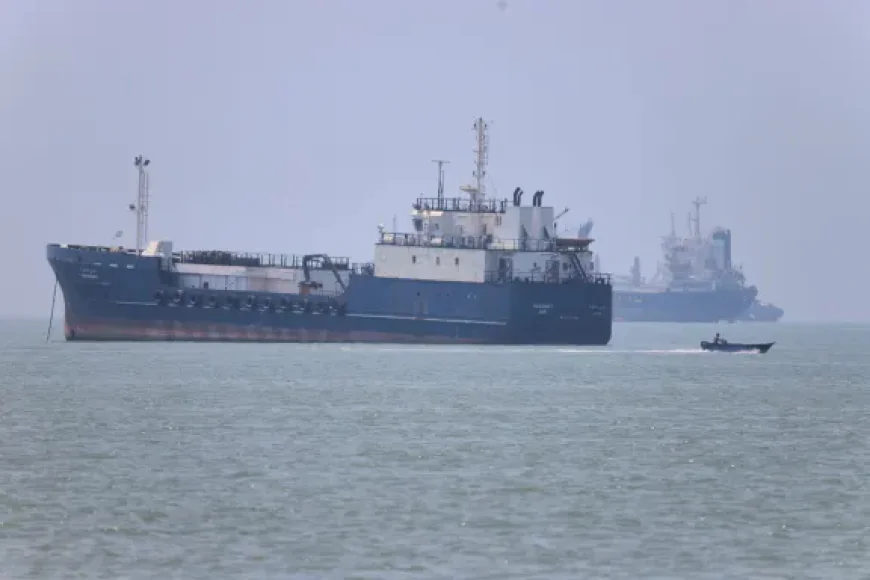
A small motorboat passes anchored vessels in the Strait of Hormuz off Bandar Abbas in Iran on June 17, 2026. Photo: Amirhosein Khorgooi/ISNA/AP
Hormuz is open, but under whose rules?
The Strait of Hormuz is the clearest practical test.
Ali Bahreini, Iran’s ambassador to the UN office in Geneva, said on Tuesday that Hormuz was “completely open” to commercial vessels and that no charges would be collected during the 60-day period.
“Yes, the Strait of Hormuz is completely open, of course, for commercial vessels, according to the memorandum of understanding,” Bahreini said. “And it is without receiving any charges. After 60 days, it depends on the negotiations.”
But the Financial Times reported that shipowners are in “deep confusion” over conflicting guidance. Iran has told vessels to seek permission from Tehran and use a route near the Iranian coast, while the US and some Western insurers advise ships to use a route on the Omani side under US air cover.
That leaves shipowners weighing the risk of Iranian interference against possible sanctions, insurance or compliance concerns.
The contradiction captures the MoU’s central problem: the US says Hormuz has reopened; Iran says reopening proves ships must deal with Tehran’s authority.
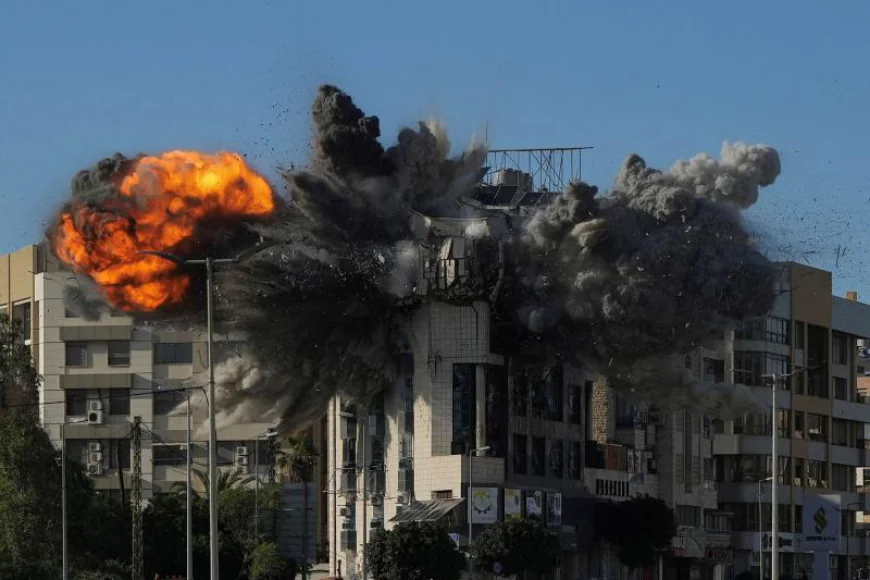
An explosion in a building following an Israeli strike, amid increasing hostilities between Israel and Hezbollah in Lebanese capital of Beirut on March 31, 2026. Photo: The Arab Weekly
Lebanon still the next flashpoint
Lebanon may be the deal’s most dangerous test.
Bahreini said Iran told the Switzerland talks that Lebanon is an “unquestionable part” of the MoU and that ending military operations must include respect for Lebanon’s territorial integrity, a halt to attacks and Israeli withdrawal.
“Iran’s red line is any attack against Lebanon, any further attack against Lebanon,” he said.
He warned that Iran would respond to any violation, including attacks on Lebanon or Hezbollah.
“If they are going to violate the MoU in any form, including by attacking Lebanon and Hezbollah in Lebanon, then Iran will respond,” he said.
Earlier on Tuesday, Reuters reported that Israeli gunfire killed two people in southern Lebanon, the first reported fatalities from Israeli fire there in three days. The Israeli military said it struck armed militants who posed an immediate threat.
A joint statement after US-Iran talks mediated by Pakistan and Qatar said the parties had agreed to create a deconfliction cell to monitor the end of hostilities in Lebanon. But Israel is not a party to the US-Iran MoU, and Prime Minister Benjamin Netanyahu said this week that Israeli troops retain freedom of action against Hezbollah threats and will remain in Lebanon as long as necessary.
That leaves Washington responsible for restraining an ally outside the deal, while Tehran treats Lebanon as a condition for keeping talks alive.
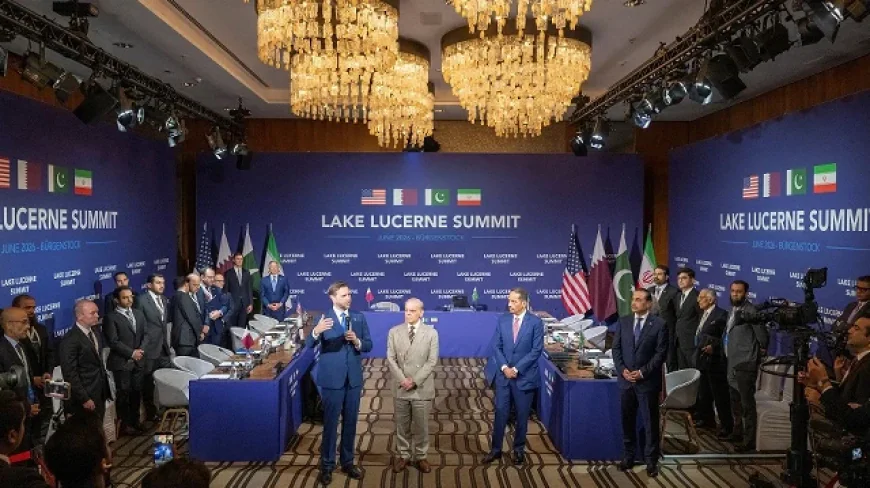
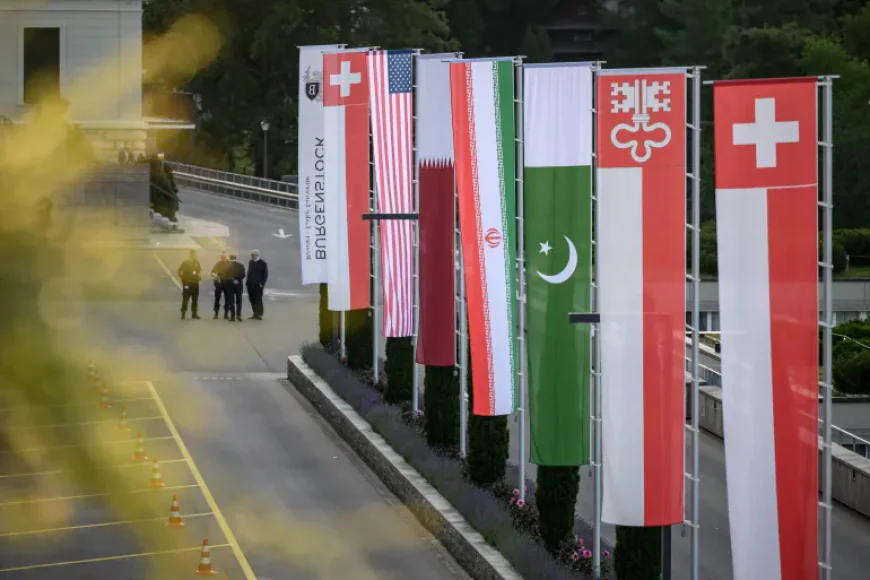
Delegations of Iran and US before the start of Sunday's multilateral talks at the Burgenstock estate in Switzerland. Photo: Reuters
A deal already under strain
Baghaei said talks on sanctions and nuclear issues depend on the implementation of specific MoU provisions.
“The start of negotiations on these two issues is contingent on the implementation of specific provisions of the memorandum of understanding,” he said. “Part of it has been achieved, and part of it is being implemented.”
That is the emerging shape of the deal: each side is implementing the clauses it can defend, disputing the clauses it dislikes, and using unresolved language as leverage before a final agreement.
For now, the MoU has stopped a wider war and reopened commercial movement through Hormuz. But it has also created a new diplomatic battleground in which every clause is being tested, stretched and weaponised before the 60-day period has even fully begun.
What's Your Reaction?
 Like
0
Like
0
 Dislike
0
Dislike
0
 Love
0
Love
0
 Funny
0
Funny
0
 Wow
0
Wow
0
 Sad
0
Sad
0
 Angry
0
Angry
0

Comments (0)