

Iran, US virtually sign MoU
Negotiations on nuclear programme and sanctions will take place in follow-up talks during the 60-day period after the MoU is officially signed in Geneva, Switzerland on Friday

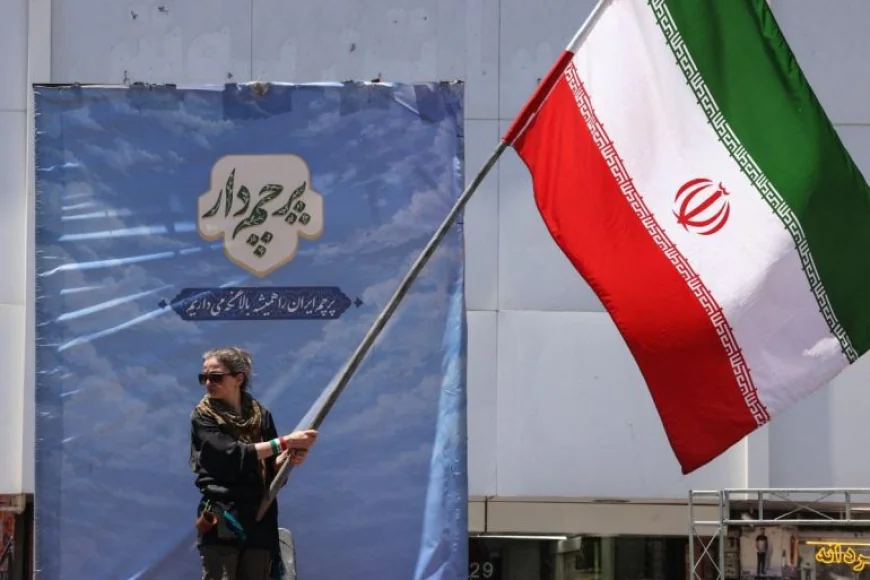
US President Donald Trump has said a memorandum of understanding (MoU) with Iran has been “all signed” electronically, and the Strait of Hormuz will be “completely open” by Friday.
US officials told the Reuters and AFP news agencies that the agreement was signed by Trump, US Vice President JD Vance and main Iranian negotiator and Parliament Speaker Mohammad Bagher Ghalibaf.
Tuesday marks 109 days since the war began, with the US and Israel’s attacks on Iran. Here is what’s happening:
What we know about the US-Iran MoU
The details of the MoU between the US and Iran have not yet been made fully public, but officials on both sides have offered some indications of what may be included.
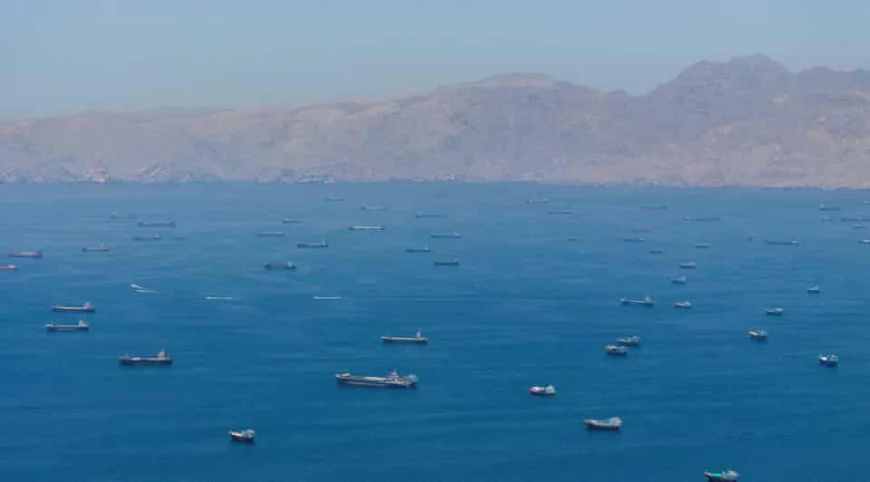
More than 800 ships and about 20,000 crew members remain stranded west of the strait of Hormuz. Photo: Reuters
Iran’s National Security Council said on Monday that the deal ends fighting on all fronts, including in Lebanon, and lifts the US naval blockade on Iranian ports.
Both sides say negotiations on Iran’s nuclear programme as well as relief from sanctions will take place in follow-up talks during the 60-day period after the MoU is officially signed in Switzerland on Friday.
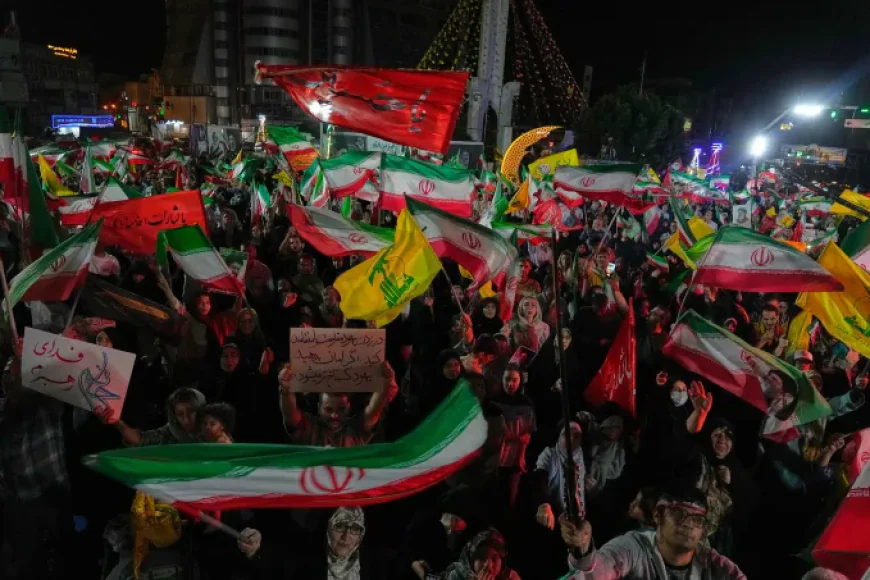
Pro-government Iranian demonstrators wave flags from Iran and Lebanon's Hezbollah in Tehran on June 7. Photo: Vahid Salemi/AP
Trump said the Strait of Hormuz will be “open to all” on Friday, while Vance said there would be no tolls on traffic in the waterway during the 60-day period.
A senior Iranian official told Reuters the US had agreed to release $25bn of Iran’s frozen assets and waive sanctions on oil for a specified period of time.
But Vance denied that, telling US media that 'there hasn’t been a single dollar of sanctions relief or unfrozen assets' from Washington or its allies.
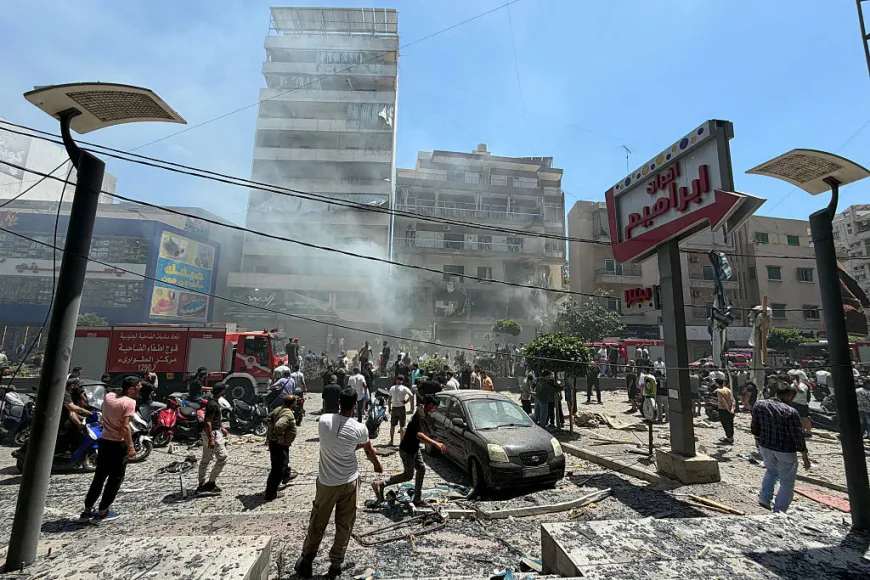
People gather at the site of an Israeli airstrike that targeted a building in Beirut’s southern suburbs on June 14.Photographer: Ibrahim Amro/AFP/Getty Images
Vance also said the MoU is a 'general document' which is about 'a page and a half'. Details of the text could be released soon, he added.
In Iran
Before electronically signing the MoU with the US, Iran’s Ghalibaf wrote on X that Tehran has taken a “great step toward final victory” after the country’s “historic resistance” against Israel and the US.
Since announcing the peace deal, the US has removed its blockade of Iranian ports and, according to Iranian media, at least three Iranian oil tankers and other ships carrying goods for Iran have crossed the Strait of Hormuz.
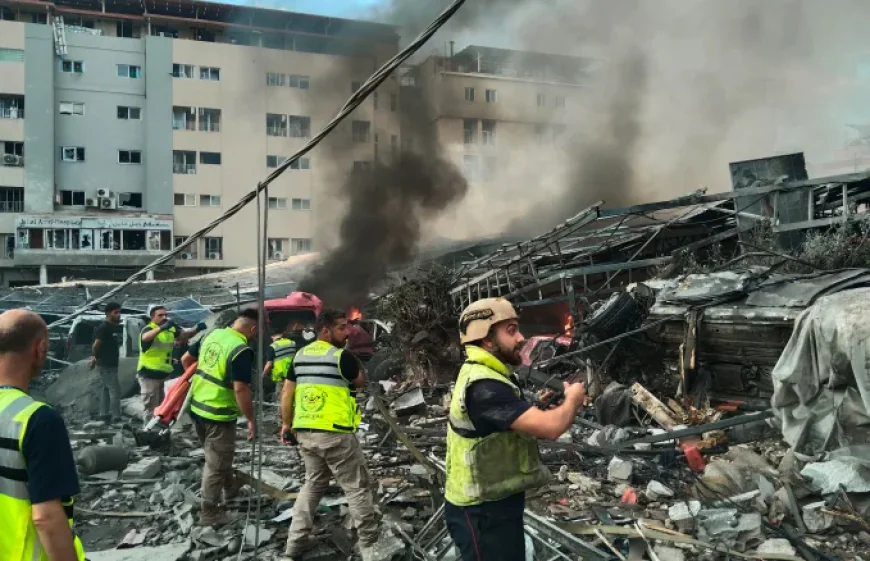
Rescuers work at the site of an Israeli airstrike that hit a building and damaged a hospital in the southern port city of Tyre, Lebanon, Monday, June 1. Photo: AP
Saman Rezaei, the head of Iran’s merchant marine union, has told Al Jazeera that he believes the transit system in the Strait of Hormuz will “never return to its pre-war condition”. The recovery [of the strait], he argued, rests on a “convergence of judgements” based on “sustainable peace, a reduction in the apparent threat and several cycles of incident-free transit”.
Rezaei also confirmed that some 22,000 seafarers have been stranded in the Gulf for nearly four months and have “suffered significant injuries”. He emphasised that the immediate priority is the safe departure of all seafarers with international cooperation, regardless of the political outcome.
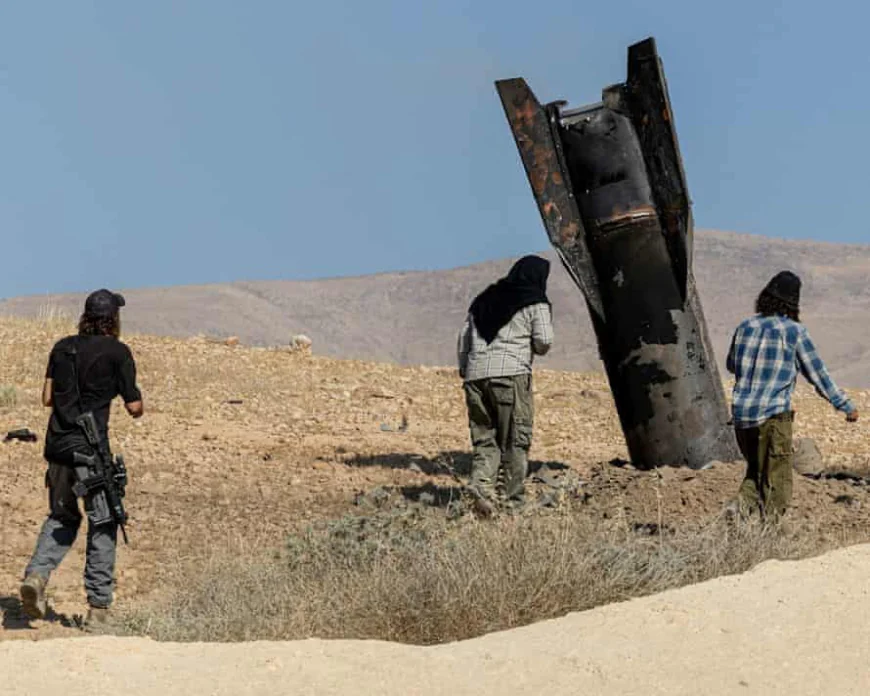
An Iranian missile fragment caused damage to several homes in a West Bank settlement on Monday. Photograph: Naama Stern/Reuters
In the US
Vance has published a video on X and called the deal with Iran a “win-win for the American people”.
In an interview with NBC news, Vance also said there would be no tolls in the Strait of Hormuz during negotiations.
Trump has dismissed reports of US payments to Iran and said on his Truth Social platform that it was “Fake News, put out by the Dumocrats!!!”
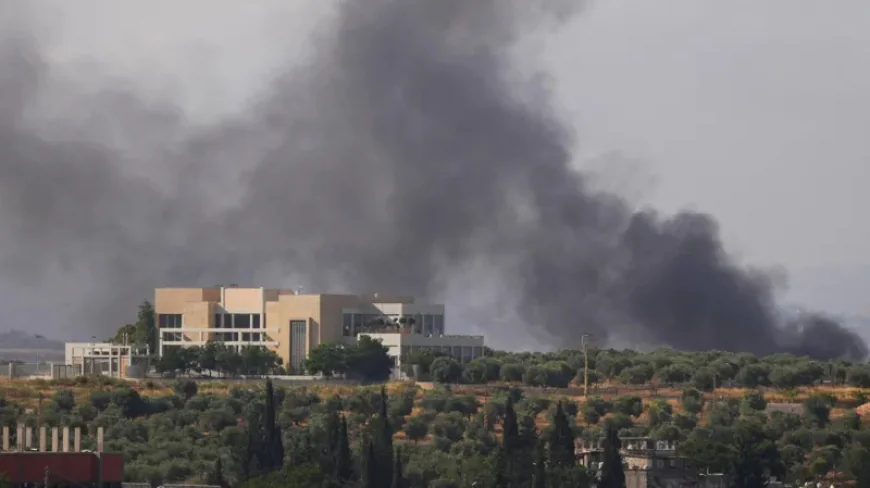
Smoke billowing in southern Lebanon on Saturday after an Israeli strike. Photo: Reuters
Democratic politicians in the US have criticised the deal Trump announced with Iran, with Senator Richard Blumenthal likening the outcome of the US war on Iran to the UK’s Suez Canal crisis, when British forces invaded Egypt with Israeli and French troops.
Republican Senator John Thune has told reporters he doesn’t know enough about the deal with Iran to comment on it yet, but he expects Congress to be briefed soon and suggested that Congress would likely want to hold some type of vote on it.
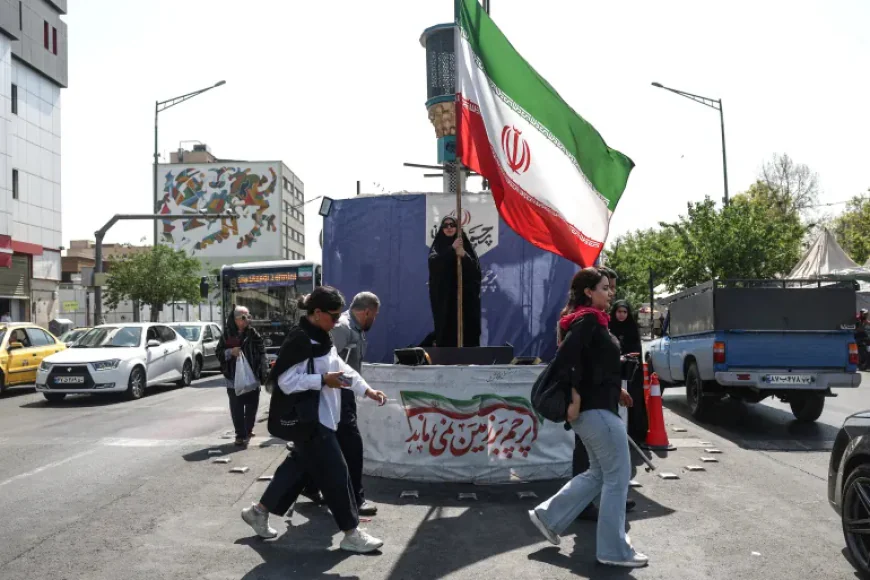
A woman holds an Iranian flag on a street in Tehran, Iran. Photo: Majid Asgaripour/West Asia News Agency
In Israel
Israeli Prime Minister Benjamin Netanyahu has said Israeli troops would continue to occupy southern Lebanon, despite the US-Iran agreement.
Backlash to the US-Iran deal grows in Israel, with members of Netanyahu’s cabinet calling for attacks on Lebanon’s Hezbollah and saying they are not bound by the agreement.
Israel has killed two people in Gaza as Hamas expressed hopes for a “positive impact” from the US-Iran deal on an end to continued Israeli attacks in the Palestinian territory.
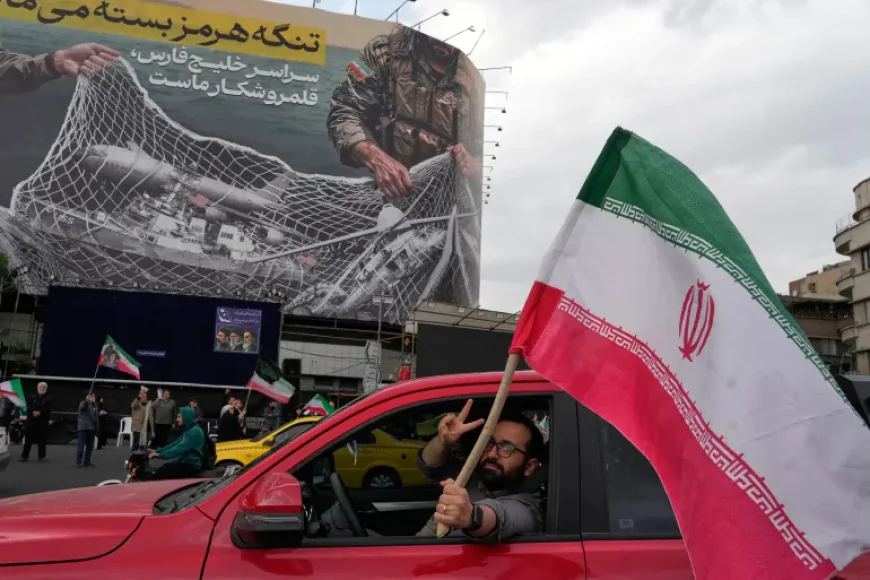
A man flashes a victory sign as he carries an Iranian flag in front of a billboard depicting US aircraft in the Iranian armed forces’ fishing net in downtown Tehran. Photo: Vahid Salemi/AP
In Lebanon
Israeli attacks on Lebanon on Monday have killed at least one person.
Thousands of displaced Lebanese people have returned to destruction in southern Lebanon as Israeli forces and Hezbollah fighters continue to trade fire.
What's Your Reaction?
 Like
0
Like
0
 Dislike
0
Dislike
0
 Love
0
Love
0
 Funny
0
Funny
0
 Wow
0
Wow
0
 Sad
0
Sad
0
 Angry
0
Angry
0

Comments (0)