
All eyes on FIFA World Cup 2026
This spectator sport slated for June 11 is a blueprint for sports tourism in Bangladesh

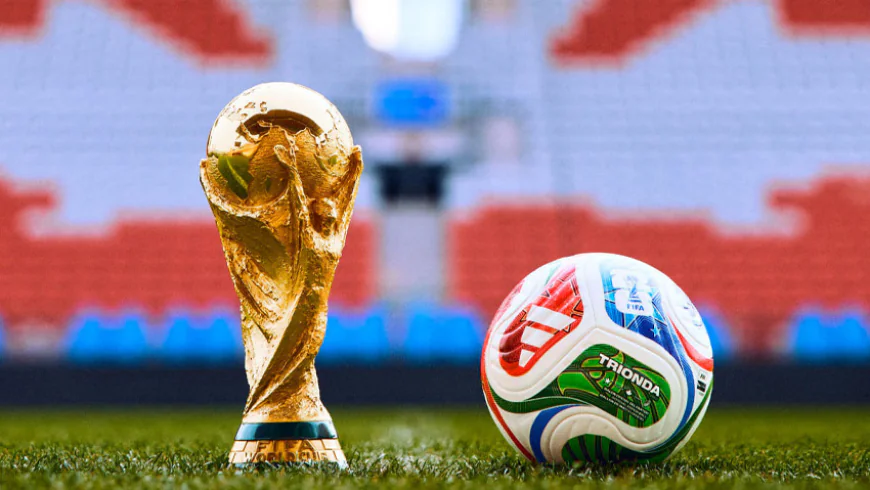
In just a week away, the entire globe’s collective gaze will shift to North America for the iconic cup competition of the world’s most premier soccer sport. The 2026 FIFA World Cup is not just another iteration of the beautiful game’s classic contest; it is a monumental leap in the history of international sports. With the United States, Canada and Mexico as co-hosts, this year’s edition promises to be the largest, most logistically ambitious and commercially explosive WC ever.
For the aviation, hospitality and tourism sectors, the 2026 World Cup is more than a sporting event—it is the ultimate stress test. It is also a masterclass in destination marketing that emerging markets must study, and here is exactly how one of the biggest shows on earth serves as a critical blueprint for the future of sports tourism in Bangladesh.
48 teams, 104 matches
For the first time in FIFA history, the tournament has expanded from 32 to 48 participating nations. This expansion fundamentally alters the fabric of the event.
More matches, More movement: The tournament will feature a staggering 104 matches, significantly increasing the travel footprint.
Global inclusion: The expanded format allows nations that have never — or rarely — qualified to take the stage. For the tourism industry, this means an influx of new fan demographics, which opens up unprecedented international flight routes and demands localised hospitality services tailored to a wider array of cultures.
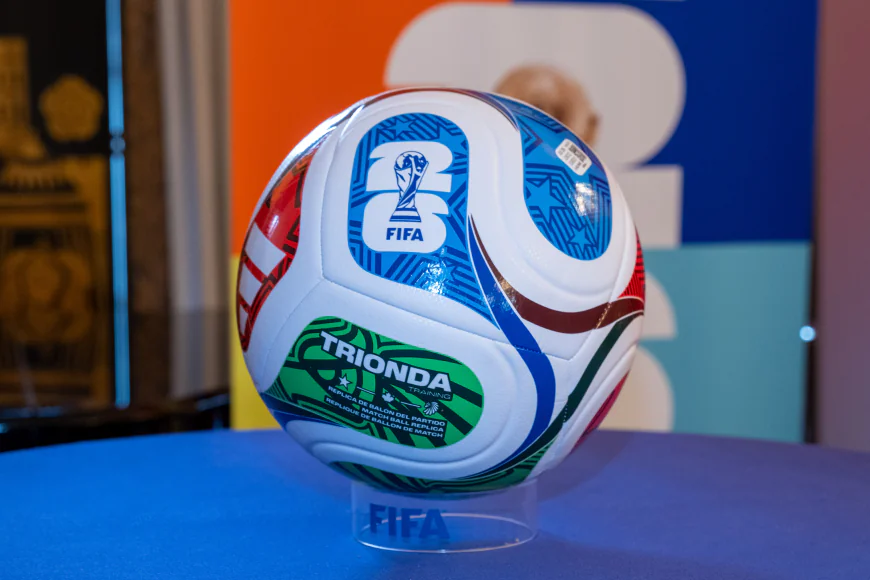
The match ball of FIFA WC 2026 Adidas Trionda. Photo: Wikipedia
Three nations, 16 host cities
The logistics of organising a tournament across three massive North American countries are staggering. The event spans 16 cities, divided into three geographical clusters to minimise travel fatigue for teams, though fans will undoubtedly criss-cross the continent.
Western Region covers Vancouver, Seattle, San Francisco Bay Area and Los Angeles, while Central Region includes Guadalajara, Monterrey, Mexico City, Dallas, Houston and Kansas City. On the other hand, Eastern Region encompasses Atlanta, Miami, Toronto, Boston, Philadelphia and New York/New Jersey.
The crown jewel of the venues is arguably Mexico City’s Estadio Azteca, making history as the first stadium to host matches in three separate World Cups (1970, 1986 and now 2026).
Aviation & tourism impact: True heavyweights
For the readership of Aviation & Tourism Times, behind-the-scenes mechanics of this tournament are as thrilling as the matches themselves. The sporting escapade presents unique logistical hurdles and massive financial opportunities.
Cross-border Aviation Challenge: Airlines are bracing for a logistical marathon. Managing fan transit across the US, Canadian and Mexican borders requires seamless coordination between civil aviation authorities, border control and commercial airlines. We are seeing a massive surge in chartered flights and multi-city “World Cup Hopper” packages.
Hospitality Boom: The 16 host cities are experiencing unprecedented hotel occupancy rates. However, the true winners are the alternative accommodation platforms and suburban boutique hotels, as fans are priced out of the immediate stadium perimeters.
‘Mega-event’ Legacy: Destination marketing organisations are working to ensure that international fans who visit Kansas City or Monterrey for a match will return in the future for a dedicated holiday.
Blueprint for Bangladesh: Bringing the game home
While North America commands the spotlight, the strategies deployed for 2026 provide a perfect roadmap for Bangladesh. We are a sports-crazed nation with world-class cricket (BPL, international tours) and a passionate football following, yet our “sports tourism” sector remains largely untapped. To make our local sports tourism blossom, industry leaders and policymakers must act on the following strategies:
‘Stay and explore’ model: Much like FIFA’s 'WE ARE 26' campaign — which sells the cultural identity of the host cities — Bangladesh must stop selling just 'cricket tickets'. We must bundle international sporting events with tourism packages. For instance, a touring fan from England or Australia should be aggressively marketed a seamless package that includes a match in Sylhet, followed directly by a curated tour of the tea gardens or the Sundarbans.
Aviation connectivity to venues: The bottleneck for sports tourism in Bangladesh is domestic connectivity. To host regional mega-events (like the Asia Cup or SAFF Championships), we need targeted domestic flights syncing perfectly with match schedules. Upgrading regional hubs like Cox’s Bazar Airport and Sylhet Osmani International Airport to handle direct, high-volume chartered flights during tournament seasons is non-negotiable.
Streamlined access and hospitality: We must introduce specialised 'sports tourist visas' or fast-tracked visa-on-arrival counters during major tournaments. Furthermore, the hospitality sector around stadiums must be developed beyond just luxury five-star hotels to include secure, mid-range boutique options and homestays for travelling fan groups. This, in turn, would also benefit the hospitality industry beyond the conventional five-star names.
Upgrading stadium perimeters: A true sports tourist spends money outside the stadium before and after the game. The areas surrounding our major venues (like Sher-e-Bangla National Stadium or Bashundhara Kings Arena) must be developed into fan zones with premium F&B outlets, merchandise hubs and cultural exhibitions.

The official poster of FIFA World Cup 2026. Photo: Wikipedia
Economic imperative: Why Bangladesh must act
It is crucial to understand the staggering financial stakes involved in this sector. The global sports tourism market size was estimated at $803.9 billion in 2025 and is projected to reach an astounding $2,776.7 billion by 2033, which means it is growing at a CAGR of 16.8%. This is not just about ticket sales; it is a powerful economic catalyst for the entire hospitality ecosystem. For context, hosting large-scale sports events can yield incredible financial returns; the 2016 Rio Olympics attracted over 500,000 international visitors and contributed approximately $1.2 billion in tourism revenue during a global recession.
For Bangladesh, the economic baseline is already present as the domestic sports and leisure product market is estimated at over $40 million annually. This is heavily driven by the high demand for cricket equipment. Furthermore, researches demonstrate that hosting mega sports events holds significant potential to increase foreign tourist arrivals and boost the local economy in Bangladesh. By investing strategically, Bangladesh can capture a lucrative share of this rapidly expanding multi-billion-dollar global industry, driving sustainable job creation and long-term foreign investment.
Final whistle
As the countdown clock hits the final stretch, the 2026 FIFA World Cup stands as a testament to the power of sports tourism. It will test the limits of North American infrastructure and fill hotel rooms from Vancouver to Mexico City. For Bangladesh, watching this mega-event should not just be about enjoying the beautiful game of football; it should serve as a wake-up call. The blueprint for a multi-million-dollar sports tourism economy is playing out on our screens, and this time, we need to start utilising it.
What's Your Reaction?
 Like
0
Like
0
 Dislike
0
Dislike
0
 Love
0
Love
0
 Funny
0
Funny
0
 Wow
0
Wow
0
 Sad
0
Sad
0
 Angry
0
Angry
0


Comments (0)