

Don’t take every Facebook travel post at face value
It is necessary to check when the photo or video was captured. Often, images from several years ago resurface as new posts

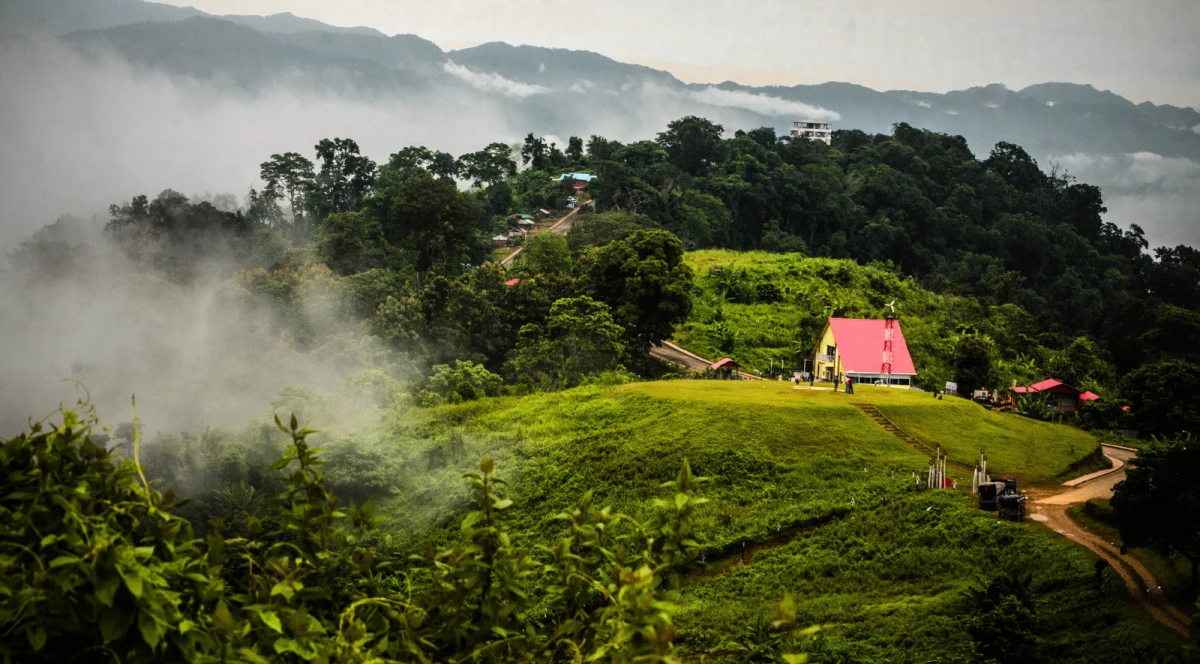
A single beautiful photograph or attractive video on social media can change many people's travel plans. Pictures of cloud-covered hills, waterfalls with clear water, secluded beaches or an unknown village surrounded by greenery can instantly create a desire to visit a new place. But not every travel post seen on Facebook accurately reflects the current reality. Therefore, before packing your bags and setting out after seeing a post, it is important to verify a few matters.
First, it is necessary to check when the photo or video was captured. Often, images from several years ago resurface as new posts. In the meantime, the appearance of the destination, the roads, the accommodation arrangements or the rules for tourists' entry may have changed. Even if a place was previously accessible without restriction, entry there may later have been limited or closed by a decision of the local administration.
Alongside the photo, the location of the post also needs to be confirmed. Sometimes a photo of one area is posted under the name of another. Again, seeing similar scenes of hills, waterfalls or rivers can create confusion about the name of a place. Therefore, instead of relying solely on a post's caption, it is better to cross-check the exact location of the destination through Google Maps, local tourism information or reliable travel sources.
The matter of weather is particularly important. Although a place may be shown as stunning in the monsoon on Facebook, at the same time there may be risks of heavy rain, landslides, sudden floods or rising river currents there. Again, if one goes there in summer after seeing a winter photo, it is natural to find a completely different environment. Therefore, along with being fascinated by the photo, one should verify what the weather is like during the time one plans to go.
It also needs to be checked whether the place is currently open to tourists. In hill areas, border regions, forest areas, islands or protected areas, there may be restrictions on tourists' entry at various times due to administrative reasons. If a post is old, the rules mentioned in it may also have changed.
The distance and travel time given in a Facebook post also need to be verified. Information such as 'a few hours' journey from Dhaka' or 'the destination is right after getting off the car' often varies from person to person or due to road conditions. It is better to know beforehand how far a vehicle will actually go, whether a boat or walking is needed after that, what the road conditions are like and whether that route is usable in the monsoon.
The beauty of a photo can create a wrong impression about accommodation arrangements. Although a post may show a wonderful natural scene, there may not be a good hotel or resort nearby. Therefore, if travelling with family, children or elderly people, it is advisable to inquire beforehand about accommodation, food arrangements, electricity, mobile network and access to emergency medical care.
If a cost estimate is given in a Facebook post, it is also better not to believe it directly but to check it against current market prices. Transport, hotel or boat fares from a few months or a year ago may have increased now. Again, a post may mention only travel costs while omitting food or local transport expenses. Therefore, it is not right to determine the total budget just by seeing 'travel for only this much money' written.
Caution is also needed while reading reviews. Even if there are numerous appreciative comments below a post about a place, they are not always reliable evidence of the current situation. If possible, one should look for the experiences of a few tourists who have visited recently. Recent information, especially about road conditions, accommodation costs, security, the behaviour of local people and the actual environment, is more useful.
Another matter is overly edited photos and videos. Lighting, colour, camera angles or artificially altered scenes can make a place appear far more attractive than reality. Even after seeing drone footage or scenes captured with professional cameras, it is not always possible to understand what the actual experience of an ordinary tourist will be like. Therefore, it is better to view photos and videos from multiple sources.
Especially before going to a remote place, information from local people should be given importance. Information learned from nearby markets, transport drivers, local guides or recent tourists in the area is often more realistic than online posts.
Most importantly, a Facebook post should not be treated as the final source of travel information but used as a starting point for finding a destination. If the place seems appealing after seeing the post, then everything — location, weather, transport, accommodation, cost, security and the current scope for tourists' entry — must be verified separately.
Social media is a wonderful means of finding new travel destinations. However, if factual information is cross-checked before making a decision based on a beautiful photo, unexpected expenses, suffering or security risks can largely be avoided. The simple rule of travel, therefore, can be: be inspired by the photo, but choose the destination only after verifying the information.
What's Your Reaction?
 Like
0
Like
0
 Dislike
0
Dislike
0
 Love
0
Love
0
 Funny
0
Funny
0
 Wow
0
Wow
0
 Sad
0
Sad
0
 Angry
0
Angry
0





Comments (0)