

What to do if asthma symptoms strike during a flight
If breathing difficulties begin mid-flight; there may be no immediate opportunity to see a doctor. However, cabin crew can generally help in emergencies

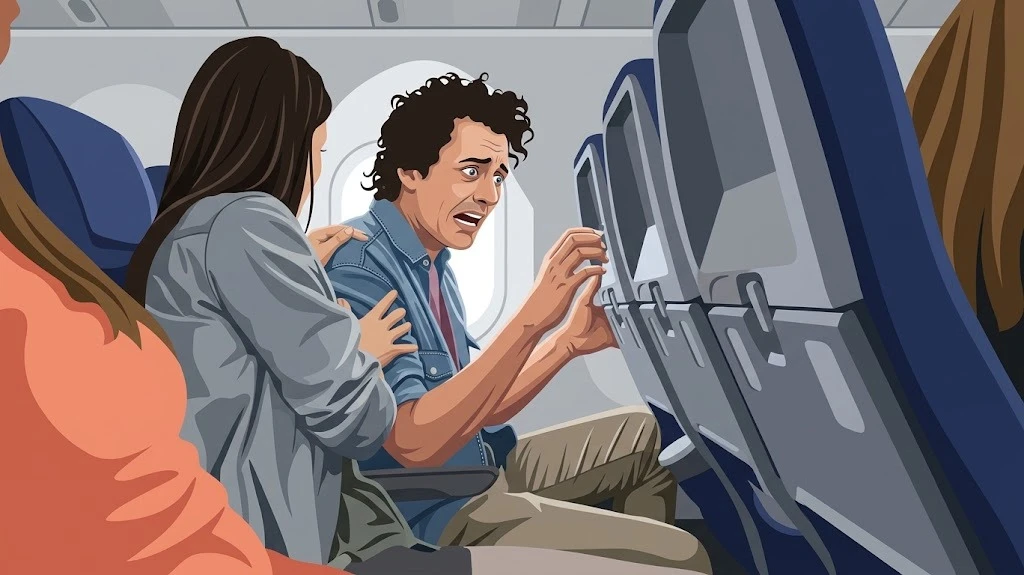
Falling suddenly ill during a flight can quickly turn into a serious situation. For people with respiratory problems such as asthma, it is important to take some precautions before spending a long time on a plane. If breathing difficulties begin mid-flight, there may be no immediate opportunity to see a doctor. However, cabin crew can generally help in emergencies.
Recently, a 58-year-old Indian passenger reportedly developed breathing difficulties on a flight from Kuala Lumpur to Sydney and later died. According to the report, he experienced an asthma problem mid-flight. The crew assisted him and provided first aid. The incident has once again highlighted the importance of preparation for people with breathing problems before air travel.
Asthma can cause inflammation and narrowing of the airways. This can lead to symptoms such as chest tightness, coughing, difficulty breathing or wheezing. If such problems occur during a flight, there are several things to remember instead of panicking.
First, inform the cabin crew. If breathing difficulties begin, do not wait; use the seat call button to alert the crew. Tell them about your asthma history and any medicines or inhaler you are carrying. If the situation becomes serious, they can arrange the necessary emergency assistance.
It is natural to panic when breathing difficulties suddenly occur. However, excessive anxiety can make breathing problems worse. Try to remain as calm as possible and sit upright. If you have been taught breathing techniques by your doctor, you can follow them.
Before travelling by air, keep the necessary inhaler and medicines in your hand luggage as advised by your doctor. They should not be placed in checked baggage and sent to the aircraft's cargo hold. Keep them somewhere easily accessible so they can be taken out and used quickly in an emergency.
If you regularly use asthma medication, continue taking it according to your doctor's instructions. You should not change the dosage or stop taking the medicine on your own because of air travel.
Before travelling, it is also advisable to make sure you know how to use your inhaler properly. If the journey is long, carry an adequate supply of the necessary medicines. If advised by your doctor, you may also carry your prescription or necessary information related to your condition.
If breathing difficulties do not improve after using the inhaler, if you have trouble speaking or breathing normally, if your lips or face become bluish, or if your condition deteriorates rapidly, inform the cabin crew immediately. Emergency medical assistance may be required in such situations.
Even if asthma is under control, it is advisable to consult your doctor and prepare for the journey before flying. This is particularly important if your asthma has worsened recently or you have been experiencing frequent attacks.
Important: In an asthma emergency on a flight, follow the emergency plan provided in advance by your doctor rather than relying on home remedies or someone else's medication. If breathing difficulties become severe, seek assistance from the cabin crew immediately.
What's Your Reaction?
 Like
0
Like
0
 Dislike
0
Dislike
0
 Love
0
Love
0
 Funny
0
Funny
0
 Wow
0
Wow
0
 Sad
0
Sad
0
 Angry
0
Angry
0








Comments (0)