

Tanguar Haor biodiversity restoration raises hope
Located in Tahirpur and Madhyanagar upazilas of Sunamganj district, the haor is regarded as one of Bangladesh's richest wetland ecosystems and is internationally recognised as the country's second Ramsar site

A new pilot project aimed at restoring Tanguar Haor's biodiversity and promoting sustainable management of its natural resources has raised fresh hopes among local communities and environmentalists.
Located in Tahirpur and Madhyanagar upazilas of Sunamganj district, the haor is regarded as one of Bangladesh's richest wetland ecosystems and is internationally recognised as the country's second Ramsar site.
It is worthy of mention that Ramsar site means a wetland designated as an ecosystem of international importance under an international environmental treaty called the Ramsar Convention, signed on February 2, 1971, in the Iranian city of Ramsar, as a global agreement dedicated to saving wetlands.
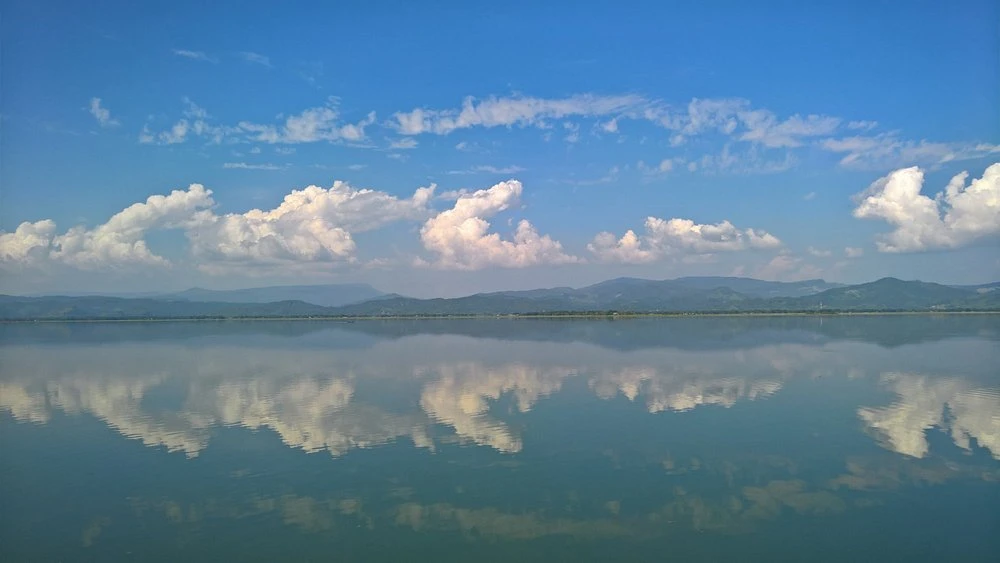
Mountains of Meghalaya seen from Tanguar Haor. Photo: Abdul Momin/Wikipedia
The district administration has been working to protect and conserve its natural resources alongside various initiatives over the past years.
Spread across four unions and 18 mouzas in the two upazilas, the haor covers around 12,655 hectares and contains 109 large and small beels, including 54 major ones. Numerous canals, water channels and smaller wetlands crisscross the area, forming an extensive network.
Around 60,000 people from 88 villages depend directly or indirectly on the haor for their livelihoods.
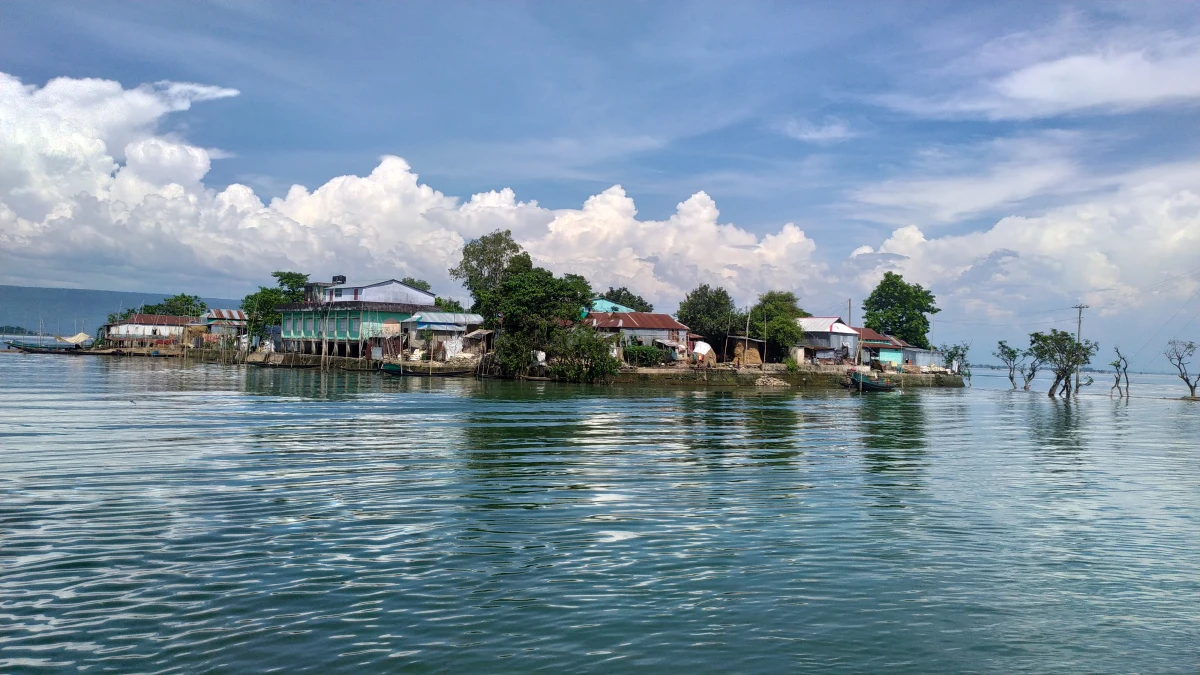
A small village in Tanguar Haor. Photo: Masum-al-Hasan Rocky/Wikipedia
Thirty-eight streams originating in India's Meghalaya hills flow into Tanguar Haor, making it an important 'mother fishery' — a natural breeding and nursery ground for many indigenous fish species.
During winter, hundreds of thousands of local and migratory birds arrive in the haor. The wetland is also home to rare plant species and threatened hijal and koroch trees, along with reeds and aquatic vegetation such as nolkhagra, singra, chaillya, boillya, ban tulsi, ukol, guijjakanta, water lilies and lotuses.

Tanguar Haor is a river basin which is located at the Tahirpur upazila of Sunamgonj district in Sylhet Division. Photo: Manzurul K/Tripadvisor
According to the district fisheries office, Tanguar Haor is home to 150 species of plants, 141 species of fish, 11 species of amphibians, six species of turtles, seven species of lizards and 21 species of reptiles. It also harbours 26 species of wildlife facing threats to their existence, including the rare Pallas's fish eagle.
A fisheries survey conducted in 2016 recorded 91,236 migratory birds in the haor, while the estimated fish stock stood at 6,701 metric tonnes.
An astonishingly beautiful view of Tanguar Haor during the monsoon. Manzurul K/Tripadvisor
Among the threatened or nearly extinct fish species found in the haor are chital, mahashol, nanid, sarputi, baghair and ritha. Common species include rohu, goyna, catla, kalbaush, shol, gojar, taki, meni, boal and tangra.
The haor's natural beauty is further enhanced by groves of hijal and koroch trees rising above the water. During the monsoon, the forests remain partly submerged, creating a striking landscape, while in late autumn they can be explored on foot as the water recedes. An observation tower also offers visitors a panoramic view of the wetland.
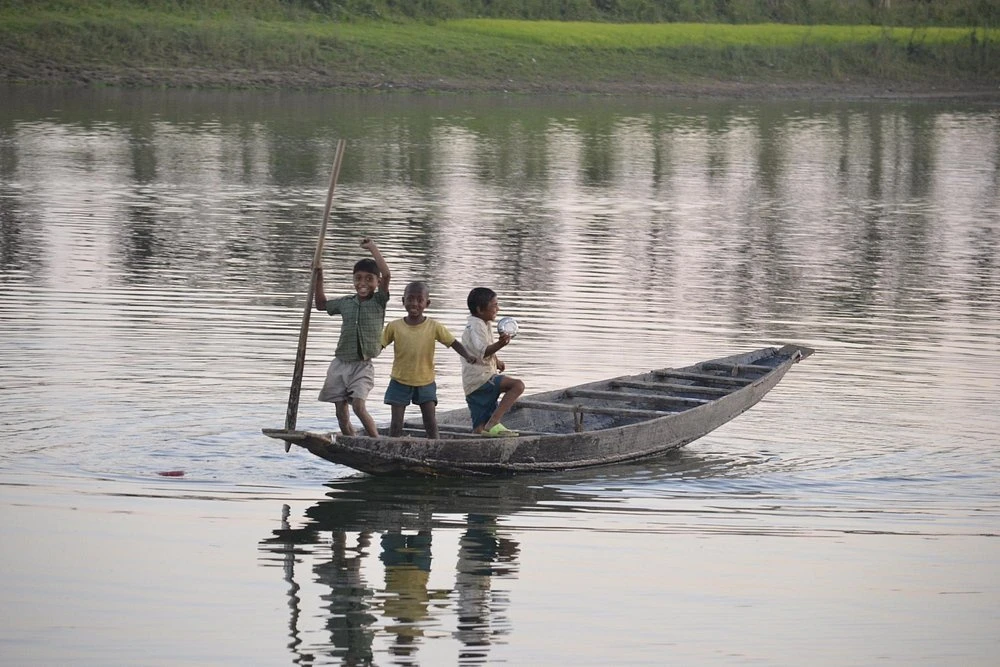
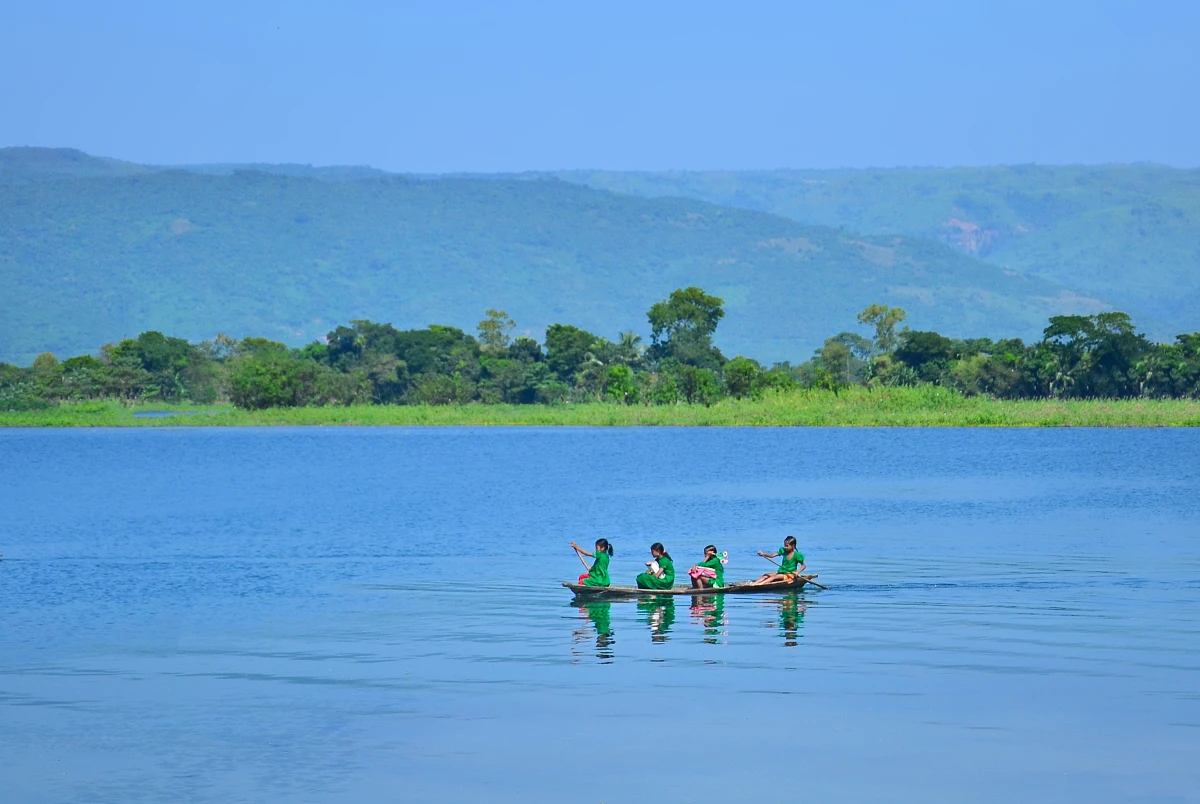
Three children pose for a photo riding on a boat in the Tanguar Haor. Photo: Kabir Shahriar/Tripadvisor
Tanguar Haor has also emerged as an important tourist destination, with attractions including Liberation Valley, associated with memories of the 1971 Liberation War, Shaheed Siraj Lake and Niladri DC Park.
However, the ecological balance of the haor has increasingly come under pressure from siltation caused by unplanned embankments, excessive use of pesticides and chemical fertilisers, destruction of fish habitats, unregulated tourism and population pressure.
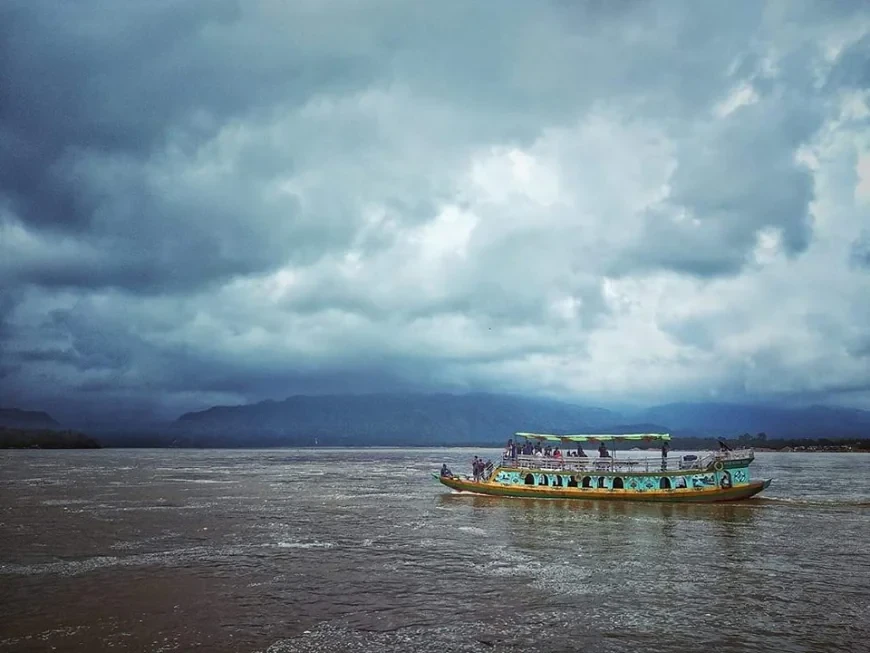
Tanguar Haor refreshes the heart and soul of the tourist with its clear water, fresh air and astonishing views. Photo: Tour Group BD/Tripadvisor
Acting Secretary of the Ministry of Environment, Forest and Climate Change Dr Fahmida Khanam, speaking at a discussion on climate and resource management in Sunamganj, said the problems facing the haor could not be solved by any single institution.
She stressed the need for an integrated approach involving dredging, water management, fisheries and agricultural production, biodiversity conservation and tourism management.
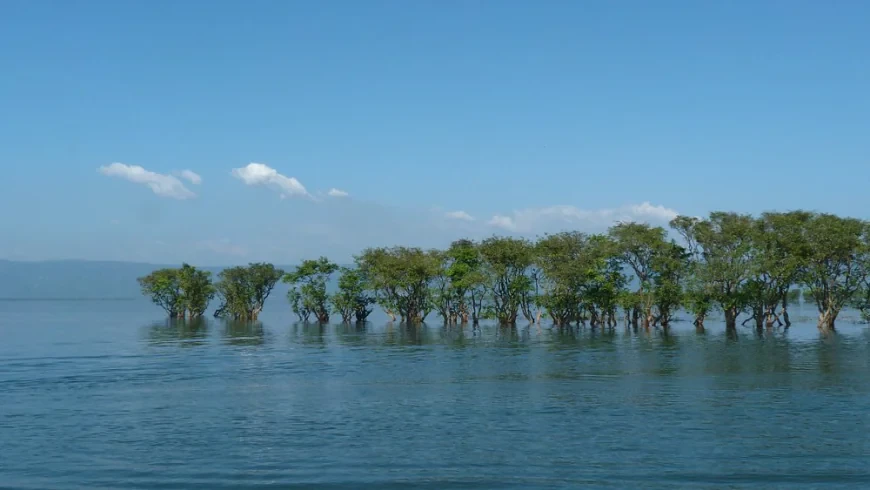
Located at the northern outskirt of riverine Bangladesh, Tanguar Haor is one of the largest Haors of Bangladesh. Photo: Masuk Ur Rahman
Local residents said embankments are affecting the natural flow of water and the movement of fish in the haor. Some embankments, which were supposed to remain submerged, are being raised, obstructing the normal movement of monsoon water.
They said strategically designed embankments could allow both fresh water and fish to enter the haor naturally. They also emphasised the importance of the wetland to the country's food security and economy, particularly through rice production.
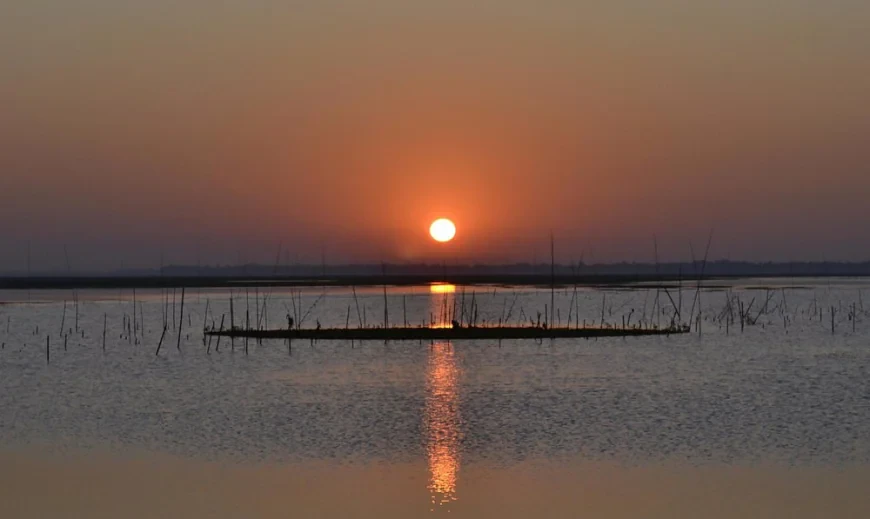
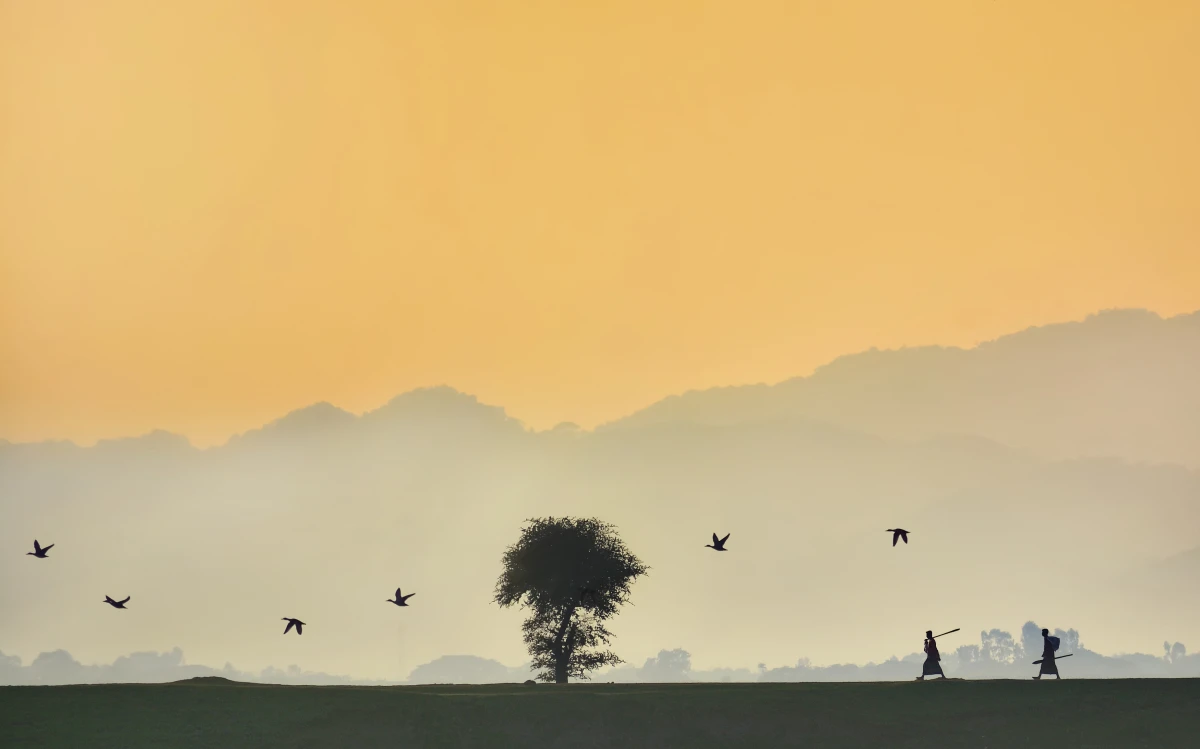
Nature plays with all of its colors in the sky during sunset at Tanguar Haor. Photo: Kabir Shahriar
Sunamganj Press Club President Shergul Ahmed said excessive use of pesticides and chemical fertilisers was having harmful effects on fish.
What's Your Reaction?
 Like
0
Like
0
 Dislike
0
Dislike
0
 Love
0
Love
0
 Funny
0
Funny
0
 Wow
0
Wow
0
 Sad
0
Sad
0
 Angry
0
Angry
0











Comments (0)