

Rising heat poses new challenge for tourism in Bangladesh
The new study, led by Vrije Universiteit Brussel, focuses primarily on children’s exposure to climate extremes as well as health risks

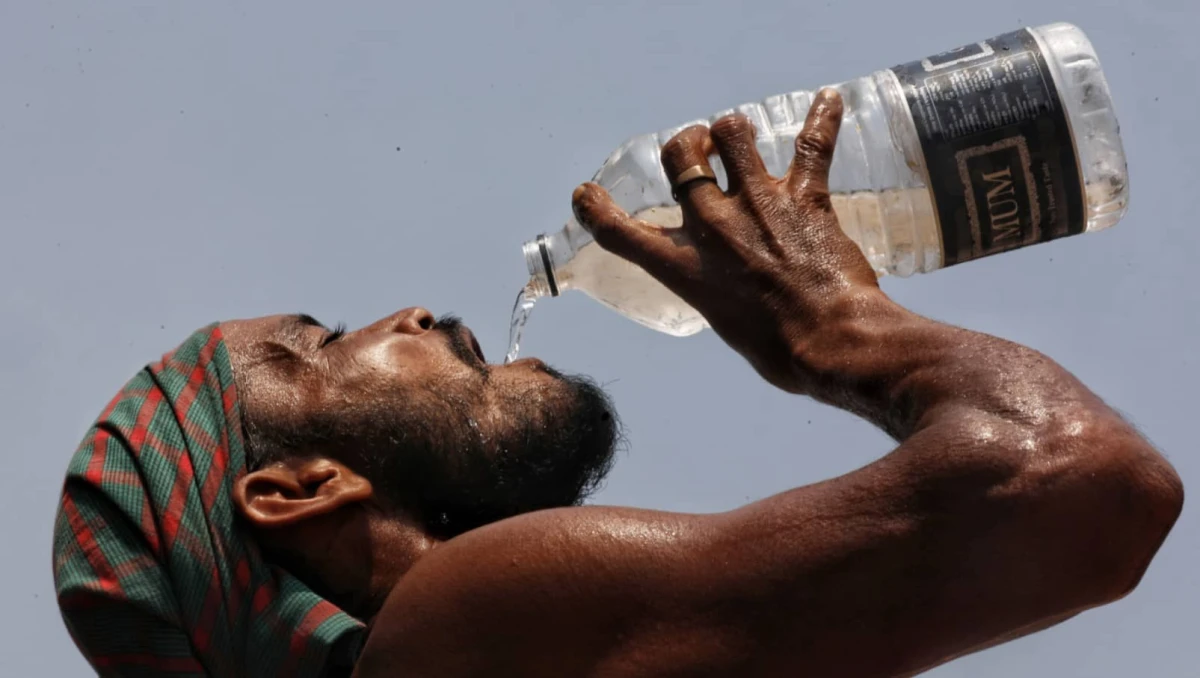
Rising temperatures and prolonged periods of dangerous heat stress are emerging as a new challenge for the tourism sector in Bangladesh, as climate change raises the exposure of millions of people, particularly children, to extreme heat.
A new study led by Vrije Universiteit Brussel (VUB) and published in Science Advances found that around 22 million Bangladeshi children aged 0-9, or 79% of the age group, are already experiencing at least one additional month of dangerous heat stress every year because of human-induced climate change.
While the study focuses primarily on children’s exposure and health risks, its findings point to wider challenges for sectors that depend heavily on outdoor activities and favourable weather conditions, including tourism.
The growing frequency and duration of extreme heat could make outdoor travel and sightseeing more difficult, particularly for children and other vulnerable visitors. Tourism destinations that rely on beaches, forests, archaeological sites and other outdoor attractions could face greater pressure to provide shade, cooling facilities, drinking water and heat-safety measures.
The study found that climate change has nearly tripled the number of Bangladeshi children experiencing at least five total months, or 150 days, of dangerous heat stress each year. The number has increased from around 9 million in a world without climate change to 26 million today, equivalent to 91% of children in the age group.
The risk is expected to increase further as global temperatures rise.
Under a 1.5°C warming scenario, around 23 million Bangladeshi children, or 87%, are projected to experience at least one additional month of heat stress each year. Around 25 million, or 93%, could experience at least five total months of heat stress.
Under a 2°C warming scenario, 98% of children aged 0-9 could face at least one additional month of climate-change-driven heat stress, while 97% could experience at least five total months.
The findings could have implications for Bangladesh’s tourism planning, particularly as the country seeks to increase domestic and international tourism and increase the industry’s contribution to the economy.
Tourism-related businesses may increasingly need to adjust operating hours, improve access to drinking water and shaded areas, strengthen emergency medical support and provide better heat protection at outdoor destinations.
The study said children are particularly vulnerable to extreme heat because their bodies heat up faster than adults, they sweat less efficiently and they depend on adults for protection. Excessive heat can cause dehydration and heatstroke, worsen existing health conditions and affect learning and cognitive development.
Dr Shimul Mazumdar, Senior Consultant (Child) at General Hospital, Comilla, said the health effects of intense heat worsened by climate change were becoming increasingly visible among children.“Sudden vomiting, excessive fatigue, restlessness and loss of appetite are being observed much more frequently,” he said.
The study uses a wet-bulb globe temperature threshold above 28°C in the shade to measure dangerous humid heat. High humidity is particularly harmful because it reduces the body's ability to cool itself through sweating.
Bangladesh's tourism industry could therefore face a growing need to adapt to a hotter and more humid climate. However, the study itself does not assess the direct economic impact of heat on tourism or estimate potential losses to the sector.
The researchers instead stress the need for stronger heat-health preparedness, targeted adaptation measures and resilient public services, while calling for faster action to reduce the fossil-fuel emissions driving further warming.
Across South Asia, the study estimates that 167.4 million children aged 0-9, or around 62% of the age group, are currently exposed to at least one additional month of climate-change-driven heat stress.
Globally, up to 560 million children aged 0-9, or 43% of children in this age group, are currently experiencing at least one additional month of heat stress each year due to human-induced climate change.
For Bangladesh, the findings suggest that climate resilience will increasingly become part of tourism planning, particularly for destinations and activities that depend on prolonged outdoor exposure.
What's Your Reaction?
 Like
0
Like
0
 Dislike
0
Dislike
0
 Love
0
Love
0
 Funny
0
Funny
0
 Wow
0
Wow
0
 Sad
0
Sad
0
 Angry
0
Angry
0











Comments (0)