

World Tourism Day highlights digital transformation and AI
According to the United Nations, AI technology can also help strengthen small businesses, improve service quality and create new opportunities

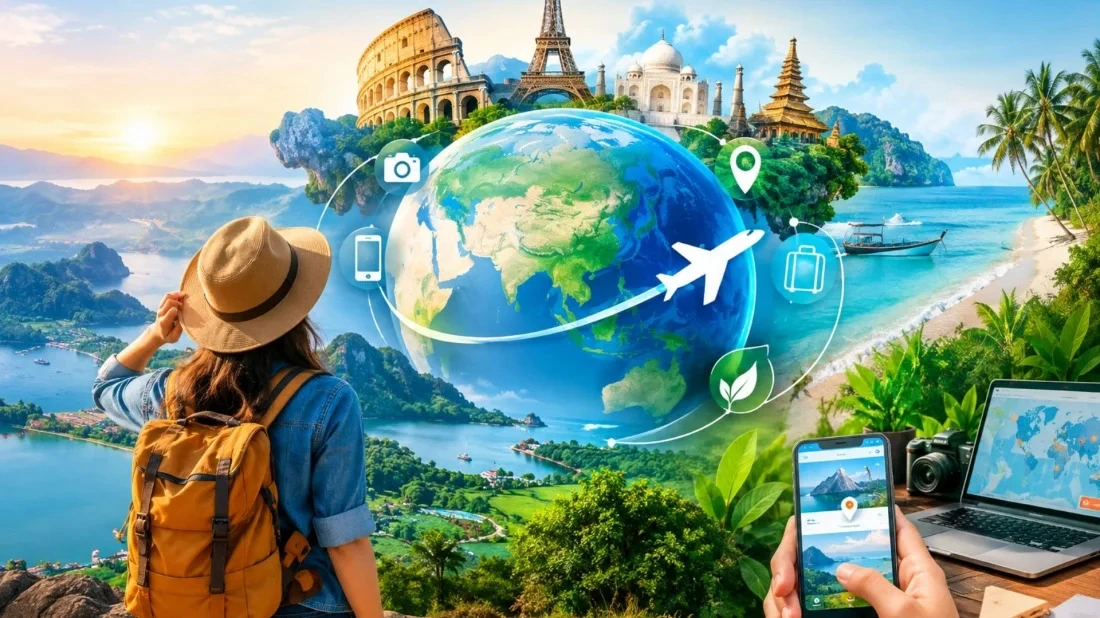
Travel is not simply about visiting a new place. It is closely connected with culture, people’s way of life, local economies and the relationship between people and nature. To highlight the importance of tourism, World Tourism Day is observed every year on September 27. The theme of World Tourism Day 2026 is ‘Digital Agenda and Artificial Intelligence to Redesign Tourism’. This year’s international event is being held in San Salvador, the capital of El Salvador.
The history of World Tourism Day also goes back several decades. According to the United Nations, the day was first observed in 1980. September 27 was chosen because the constitution of the then World Tourism Organisation was adopted on this day in 1970.
There was a time when people relied on advice from acquaintances, books or travel magazines to find out where to go, where to stay or how to travel. That picture has changed significantly. Within moments, a mobile phone screen can now provide information about a destination, accommodation and transport options, as well as places to eat.
The 2026 theme places emphasis on this transformation. Artificial intelligence is now helping travellers find destinations based on their preferences, organise travel plans and make tourism services more personalised. According to the United Nations, the technology can also help strengthen small businesses, improve service quality and create new opportunities.
However, technological advances have also raised some questions. Emphasis is being placed on ensuring that technology does not simply direct tourists towards a few popular destinations but also helps bring lesser-known and promising destinations into the spotlight.
At the same time, there is a call to involve local communities and workers associated with tourism in future planning.
Travelling to a new place is not merely about taking photographs or spending leisure time. Tourism creates income and employment opportunities for local people, supports small businesses and can showcase an area’s culture and heritage to the world. According to the United Nations, nearly one in every 10 workers worldwide is connected to the tourism sector, which is linked to the livelihoods of hundreds of millions of people.
Bangladesh also has extensive tourism potential. Beaches, hills, haors, rivers, forests, archaeological sites and rural communities offer different kinds of travel experiences across the country. From the sea of Cox’s Bazar to the mangrove forests of the Sundarbans, from the hill rivers of Sylhet to the remote hills of Bandarban, the country’s natural diversity has given its tourism sector a distinct character.
Environmental protection is also important as tourism expands. Excessive tourist pressure, plastic waste, water pollution and unplanned construction can threaten the natural beauty and biodiversity of a destination. Therefore, future tourism should not only encourage more people to travel but also ensure responsible behaviour towards the environment and local cultures.
World Tourism Day is therefore not only a day of celebration for travel enthusiasts; it is also an opportunity to consider what kind of tourism we want. It should be tourism where technology makes travel easier, local people benefit, unfamiliar destinations gain recognition and nature remains protected.
The message of World Tourism Day 2026 lies there: technology should make travel easier, but people, nature and local culture should remain at the heart of that journey.
What's Your Reaction?
 Like
0
Like
0
 Dislike
0
Dislike
0
 Love
0
Love
0
 Funny
0
Funny
0
 Wow
0
Wow
0
 Sad
0
Sad
0
 Angry
0
Angry
0









Comments (0)