
Korean budget airline trio to merge in 2027
The new Jin Air will offer travellers better flight connections between Seoul, Busan and other popular international destinations

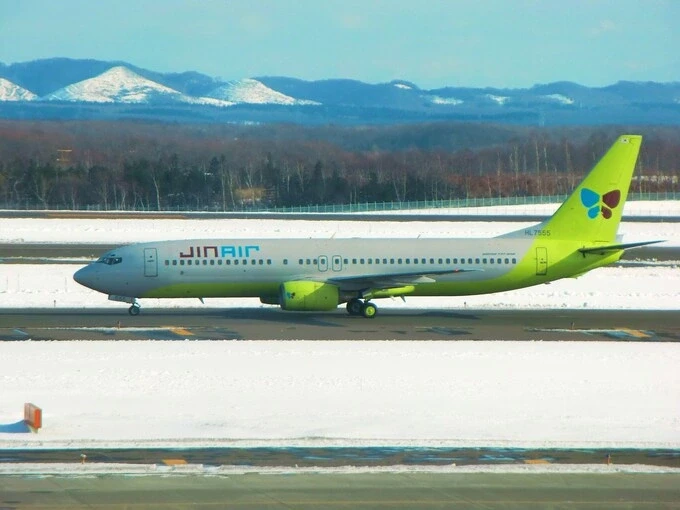
Three budget airlines of South Korea, Jin Air, Air Busan and Air Seoul, have agreed to merge under the Jin Air brand, reports Vietnam based media portal VN Express. According to The Korea Herald, the boards of all three airlines approved the merger plan on August 21.
They plan to get approval from their shareholders in December 2026 and from government regulators before launching as a combined airline on March 17, 2027.
The merger is part of a bigger change happening in South Korean aviation. The Chosun Daily reported that two full-service carriers, Korean Air and Asiana Airlines, plan to merge in December 2026.
Since Korean Air owns Jin Air and Asiana Airlines owns Air Busan and Air Seoul, their budget subsidiaries are also merging.
According to The Korea Herald, the new Jin Air is expected to have a fleet of 58 aircraft, making it bigger than its main budget competitors, Jeju Air with 45 planes and T’way Air with 47. The merger also combines their strengths in different parts of South Korea.
Jin Air flies on 47 international and 14 domestic routes, mainly out of Seoul Incheon Airport, while Air Seoul operates 10 international services from Seoul Incheon.
On the other hand, Air Busan has a strong presence in the southern region of the country, flying 39 routes centered around Busan Gimhae Airport.
The new Jin Air will offer travelers better flight connections between Seoul, Busan, and popular international destinations across Asia.
The Chosun Daily said airport terminals have already been prepared for this move, with all three airlines now operating out of Terminal 2 at Seoul Incheon. A larger fleet also brings greater flexibility to flight schedules.
With 58 planes working under one system, the airline can adjust routes based on travel demand and quickly handle flight delays or technical issues.
Jin Air is upgrading flight simulators and standardizing manuals for pilots, cabin crew, and maintenance staff at a cost of 22 billion won (US$15 million).
The three airlines are already running joint training programs to build a unified team before securing a single air safety certificate from South Korean aviation authorities.
Combining the three airlines will help reduce operating costs, technically helping reduce fares, but it also eliminates competition on routes where Jin Air, Air Busan, and Air Seoul previously competed against one another, meaning ticket prices could rise there.
Nevertheless, South Korea's budget airline market remains highly competitive.
Business Traveller reports that independent budget carriers such as Jeju Air and T’way Air continue to hold strong market positions, while smaller airlines like Eastar Jet and Parata Air also compete for passengers, especially on busy routes like Seoul to Jeju.
What's Your Reaction?
 Like
0
 Dislike
0
 Love
0
 Funny
0
 Wow
0
 Sad
0
 Angry
0






Comments (0)