

How to be a responsible traveller
Beaches on the Mediterranean and in the tropics are filled with plastic; and rubbish littering the high mountains of Italy and Nepal, quiet villages turned into drunken backpacker party sports and elephants tortured to carry tourists


Less excuses. More action. Every day.
This is the simple mantra we’ve begun to apply to our everyday life.
Why?
Because in the last three years of full-time travel, we’ve seen some incredible sights, met some wonderful people, and made enough memories to last us till we’re old and grey.
But after so long on the road, we’ve also seen firsthand the impact of pollution, overtourism, and cultural destruction on our planet.
We've seen beaches on the Med and in the tropics filled with plastic, and rubbish littering the high mountains of Italy and Nepal. Heavily polluted cities choking in smog and bursting at the seams as they struggle to cope with overpopulation. Quiet villages turned into drunken backpacker party sports, elephants tortured to carry tourists - we could go on for a while.
Worst of all; we’ve realised that the thing we all treasure so dearly, travel, is playing a huge part in destroying the planet we so love to explore.
Short of packing away the suitcases and never boarding a flight again, what can we, the mad travellers of this incredible planet, do about this growing problem?
Thankfully, there’s plenty we can all do - you’ve just got to know where to start.
Over the last few years, we’ve grown ever more conscious about our footprint when travelling (and at home!), and committed to taking positive action wherever possible. Responsible travel has become a huge focus for us and we’ve become passionate about travelling in a way that is ‘good for all’; ourselves, the places and the people we visit.
It’s not always easy, and we’ll admit that there are times we’ve slipped up too - but we truly believe that ethical travel is about keeping informed, your attitude, and the choices you make while you’re on the road.
We’ve put this responsible travel guide together full of the tips we’ve discovered on our travels; not to preach about how you should do things, but to inform and suggest, and we hope that you consider a lot of these for your next holiday and beyond.
Remember - no action is EVER too small, and we all have the power to change our perspective, impact and reality!
What is responsible travel, anyway?
Responsible travel - and it’s counterparts sustainable travel, ethical travel, eco-friendly travel, etc - has become one of the biggest buzzwords in the travel industry right now. But what does it actually mean to travel responsibly, anyway?
Responsible travel is the umbrella term for dozens of ethical issues like wildlife tourism, volunteer travel (aka voluntourism), conservation issues; any topic that considers how to protect and improve the world we live in and travel through.
Simply put, responsible tourism is all about having an active awareness about the effect that travel has on destinations and cultures around the world; positive and negative.
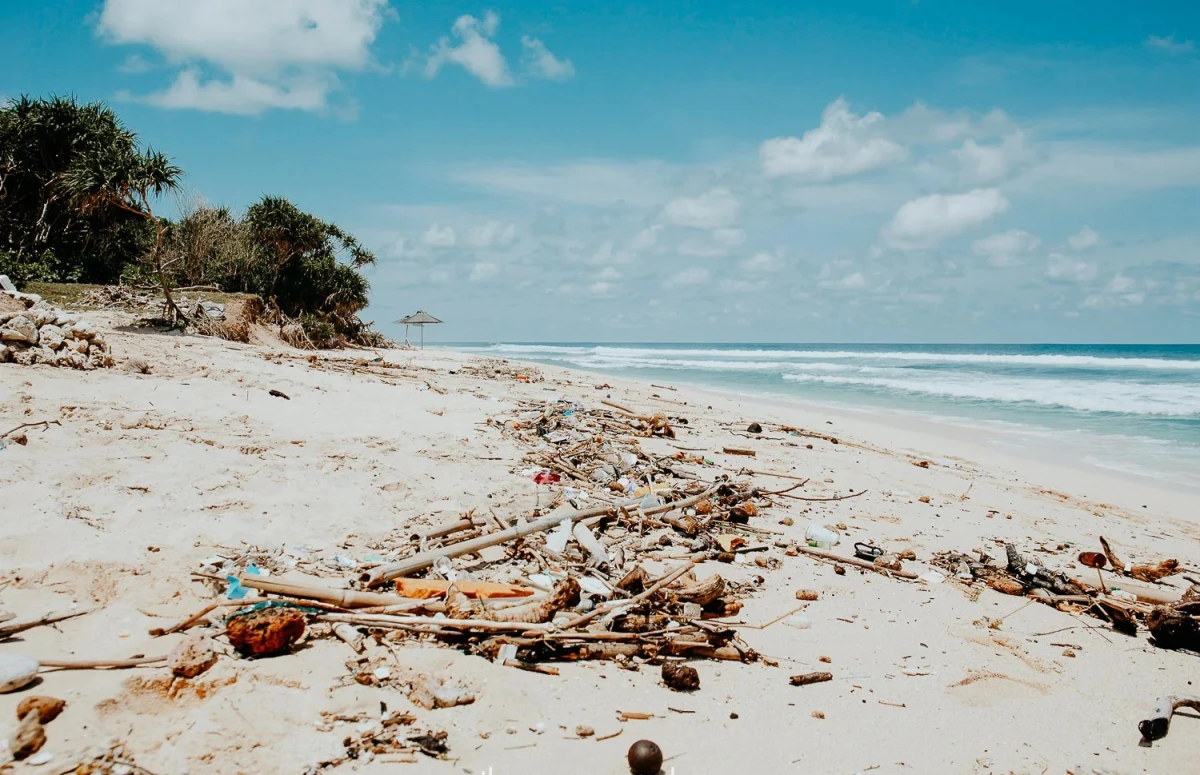
Wastages and left overs scattered on a beach after tourists left. Photo: The Common Wanderer
It’s about considering your own impact and that of the travel providers you choose, and taking responsibility for ensuring that every facet of your travels, from the transport you take, the places you stay, the way you interact, and the companies and governments you support, are as sustainable as possible.
Respect locals and their culture
When visiting a foreign country it's important to remember that you're a guest; so behave like one. You might think that wandering through the main square of Hvar town in your bathers is alright, or snapping photos of market workers in Malawi is fine, or wearing short shots and behaving loudly at temples in Cambodia is acceptable - but locals may see it in a totally different light.
Respect that other people and places may view the world very differently to you and that their customs might feel unfamiliar or uncomfortable as you experience them.
But just because something is different or you don’t agree with it, doesn’t necessarily mean that it’s wrong or your way is better. Tomayto / tomahto and all that.

Dolls made by local craftsmen in Nepal. Photo: The Common Wanderer
So much of the beauty of travel is found in discovering the rich tapestry of religion, language, and customs that make up our world, and respecting each of these for their individuality is key.
Treat locals how you’d wish to be treated as a guest, take your cues from how they behave and dress, and always travel with respect at the heart of your adventures.
Bargain respectfully
Bargaining in a lively local market is all part of the fun when travelling, while haggling over food, transport, and souvenirs is commonplace in many parts of the world.
In general, have fun with it and haggle hard but fairly. What might seem just a game and the difference of a good latte to you, could genuinely mean the difference between a full day’s wage and a bad day at work for the seller you’re bargaining with.
Positively support the livelihoods of traders by keeping in mind that the goal is to pay the fairest price for everyone, not the cheapest.

A shopkeeper reads a book at a stall in a tourist spot. Photo: The Common Wanderer
Eat locally
Let's be honest, there really is nothing better than eating local cuisine. Not only is the food delicious, it also supports the local economy via the use of local ingredients and produce, workers, restaurant owners and food culture.
So when you visit a destination, make a point of eating from locally run restaurants, street food stands, and markets, and forget the familiar (we're looking at you, McDonalds). Not only is it more delicious that way, you're helping the local communities support themselves.
Bonus, eating locally also cuts down on long carbon-intensive supply chains used to transport those frozen McDonalds fries we all know and love across the country on gas-guzzling trucks.
A win-win for all!
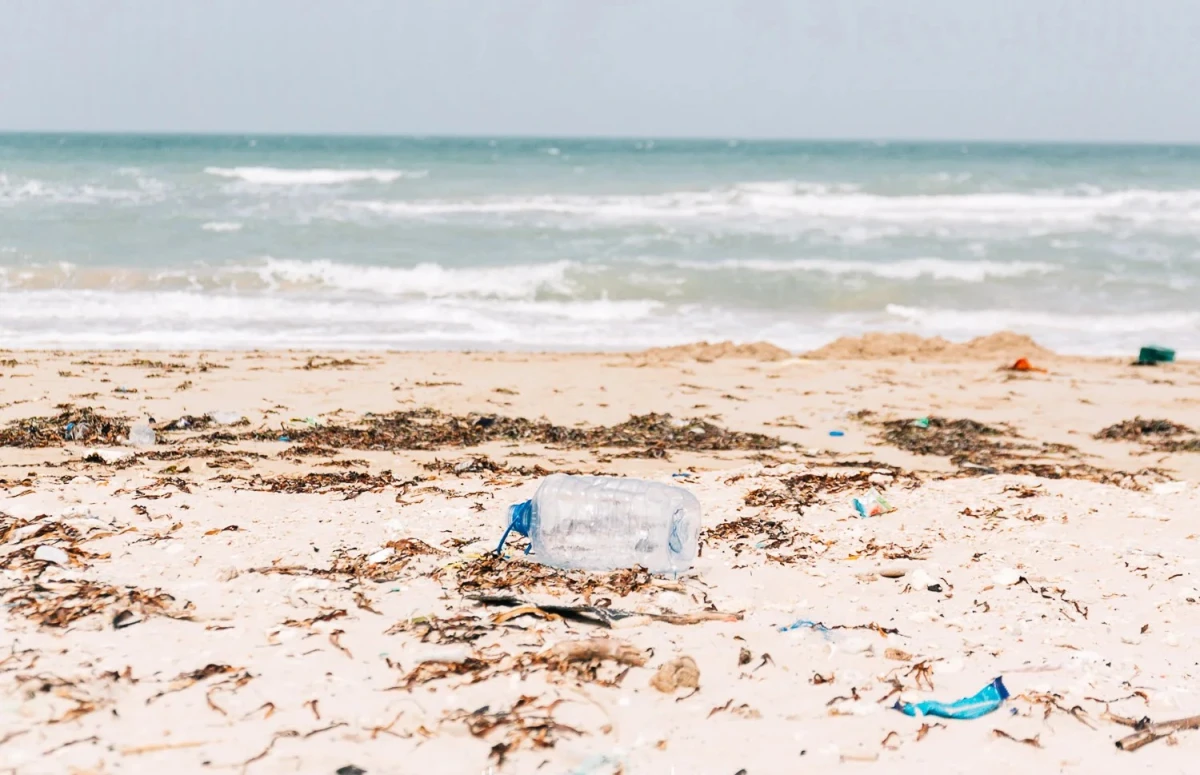
All over the world, tourists are increasingly contributing to the pollution of environment. Photo: The Common Wanderer
Find ethical non-profits and support them
If you’re keen to support community projects and the livelihoods of the locals you’re visiting, research non-profits and social enterprises at your destination before you visit and offer your services, book an experience, or purchase any products that are produced.
In Nepal, we did a cooking class through Seven Women, a social enterprise helping disadvantaged women get back on their feet. In Malawi, we purchased handicrafts from the Manchewe Mamas at the Mushroom Farm Malawi. In both cases, we came away with truly authentic experiences and were able to give back in a small way.
Respect dress codes
In many Islamic, Buddhist, Hindu and Orthodox countries, a fairly strict dress code applies, especially when visiting sights of religious significance, such as Angkor Wat, or within local villages.
A few years ago, we were pretty horrified to see so many backpackers flaunting their midriffs or wearing short shorts and singlet tops at sacred sites like Angkor Wat, active Lao temples, and the like. We get it; it’s hot, and the thought of wearing long-fitting clothing can be awful. But everyone’s in the same boat, and whether you agree with it or not, showing that much skin in places like this is just downright rude.
In most cultures, covering shoulders and knees is enough, however walking around in a bikini or bathers is frowned upon. Whether you disagree with this or not, respect the local culture.
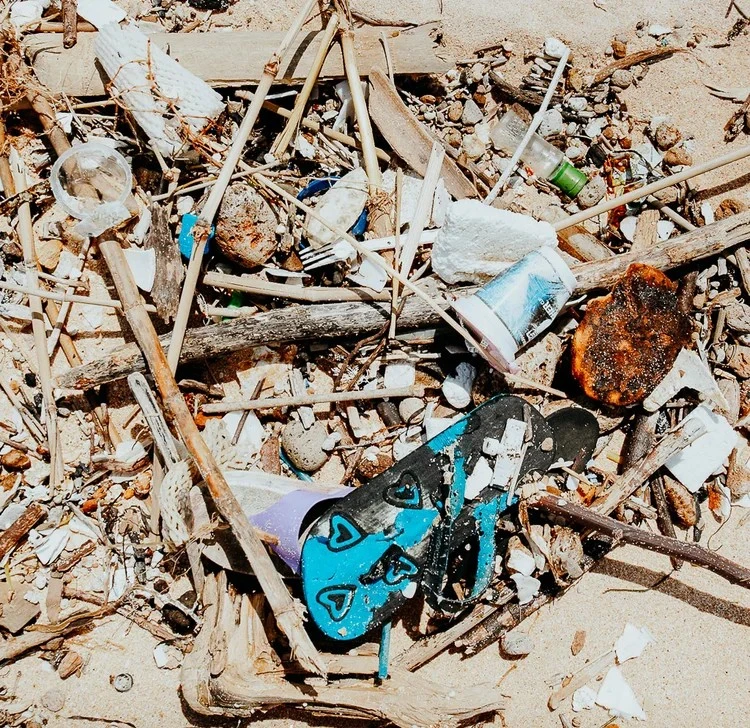
With every passing day, the seas are getting more and more polluted due the irresponsible behaviour of the tourists. Photo: The Common Wanderer
Learn local language as much as you can
Our German is barely passable, our French horrible, and our Nepalese... well, we can say Namaste! But one thing that we try to do when we visit a new country is learn a few key phrases of the local language. Just a small amount of effort results in very positive outcomes (even in France!).
Some key phrases we try to learn include:
Hello/How are you?
Goodbye
Thank you/no thank you
Do speak English?
Sorry, i don't understand
Slow your travel down, see less places but see them better. Photo: The Common Wanderer
Slow your roll
So often, our travel instinct is to absolutely binge - much like when you find yourself sitting with a jumbo popcorn bucket at the movies.
We constantly want to see more, do more, eat more, hear more, more highlights, more miles travelled, more countries ticked off, as fast as we possibly can, and all in the name of maximising our time. People jump on tourist buses, cram as many cities as they can into two or four weeks of annual leave, and ‘see’ everything without even scratching the surface.
This world is a bigger place than any of us can hope to explore, and you’re never going to be able to truly appreciate your experiences or a destination by trying to cram too much in.
Slow your travel down, see less places but see them better.
Take the time to discover the rhythms of local life, buy food from markets, observe the goings-on of the neighbourhood you’re in, develop your cultural understanding, and be present wherever you find yourself. Travel should be about seeing and doing things as well and authentically as possible - not as fast as possible.
Just be a good person
We generally don’t like to speak ill of people, but a few years ago we ended up travelling in Myanmar for a couple of days with a Swiss couple who were, quite frankly, terrible people.
Every step of the way, they were negative and whiney, they argued with drivers over the difference of £1 and accused them outright of trying to rip them off, they rolled their eyes at people, treated waiters and operators with such contempt, and almost every interaction we witnessed of theirs made us want the earth to open up and swallow us whole.
This might sound totally simple and obvious, but to be a responsible traveller all you really need to do is be a good person. Start with a smile, listen patiently, and respond politely to those around you.
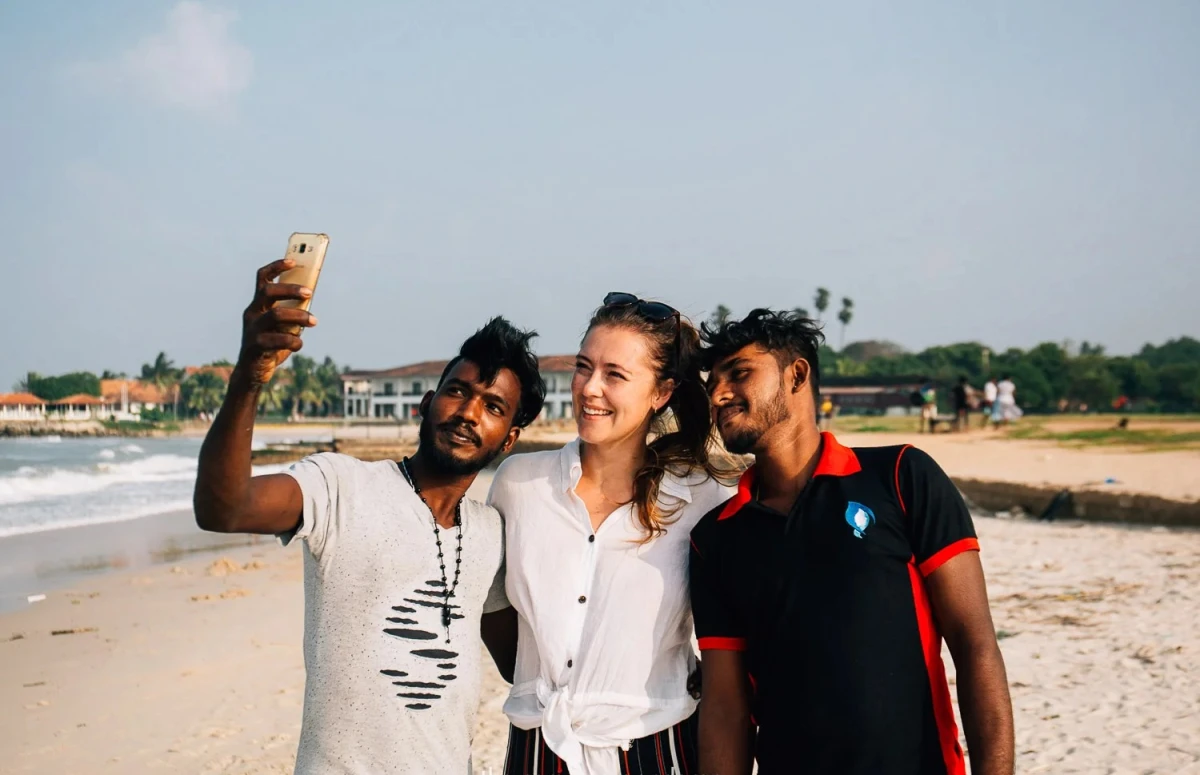
A selfie with the local people. Photo: The Common Wanderer
Engage and speak with locals
Engaging and speaking with locals can lead to many positive experiences while travelling, and best of all it's free.
Recently in Sri Lanka, a local Muslim in Galle invited us into his home for tea, before telling us all about his family's history in Galle, which gave us a fascinating and personal insight into the city.
An experience like this would not have been possible had we not smiled and said hello as we walked past.
Say no to plastic
A plastic bag for this, a plastic bag for that; this is how we felt when travelling through south east Asia and it was overwhelming. The easiest way to reduce your overall plastic consumption is to just say NO!
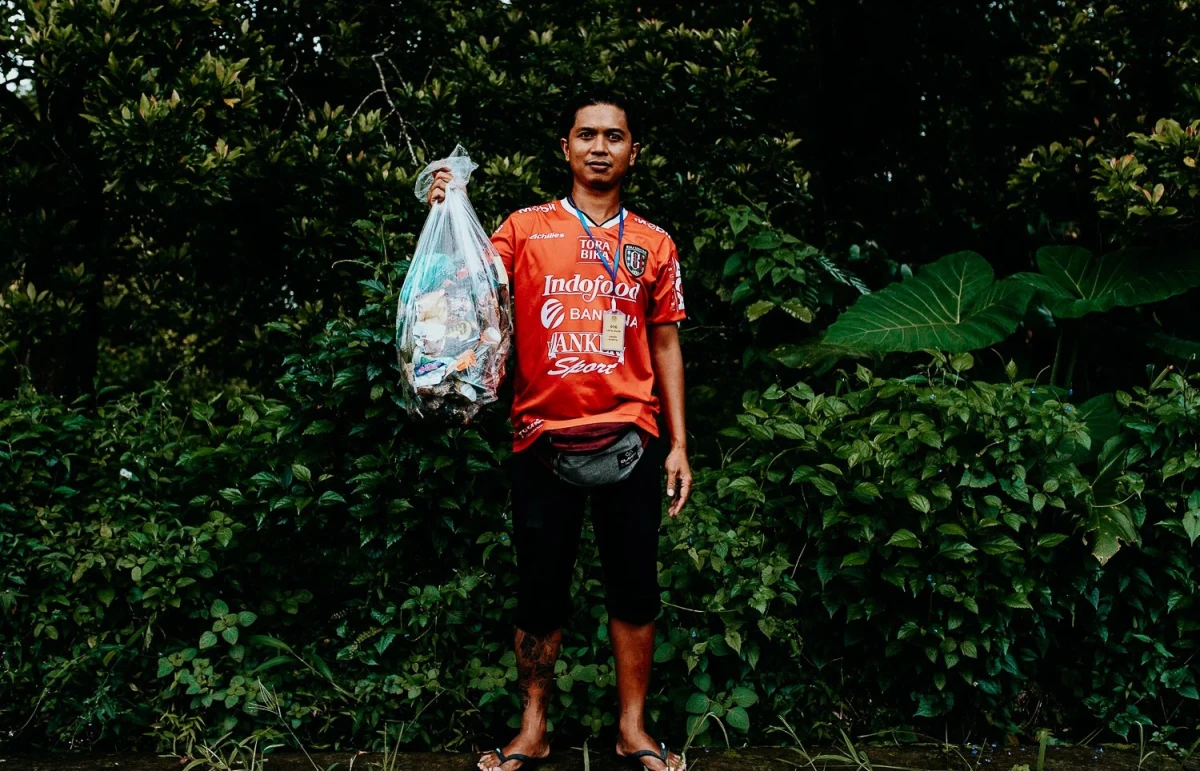
Wastages collected from a tourist spot after the tourists left. Photo: The Common Wanderer
Avoid buying plastic products if at all possible, say no to plastic bags, and where possible, gently educate locals on the negative consequences of plastic.
It doesn’t need to get preachy; a simple ‘no thanks, I don’t like plastic as it’s bad for the environment’ will suffice.
Use reusable bottles/water purifiers
Globally, humans binge on a million plastic bottles a minute. Just let that sink in for a second.
Consider that it takes 400 years for plastic to biodegrade and that in many countries drinking water is available for free, and suddenly the idea of using a plastic bottle for convenience is absurd. Fill up a reusable water bottle and take it with you wherever you go to avoid buying unnecessary single-use bottles.
‘But what about dirty water?!,’ we hear you ask. Well, we agree that clean drinking water can be an issue in many developing nations - but as a traveller it absolutely doesn’t need to mean buying endless plastic bottles everywhere you go.
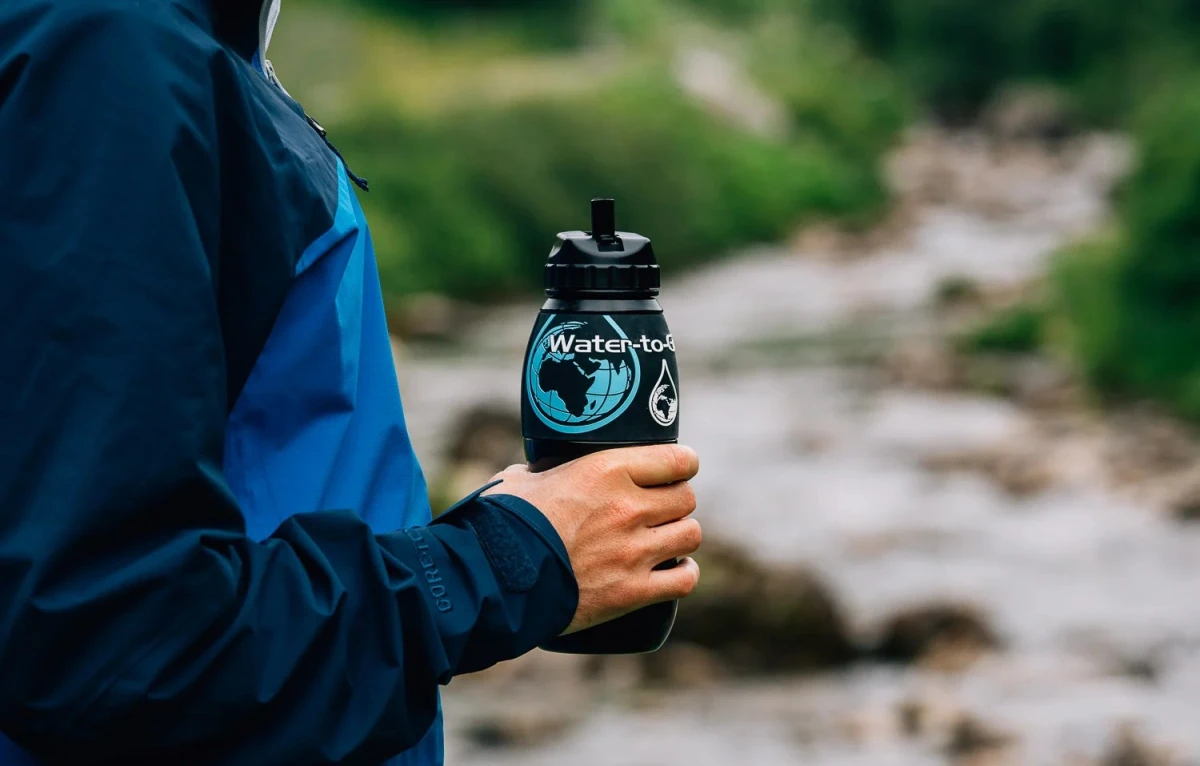
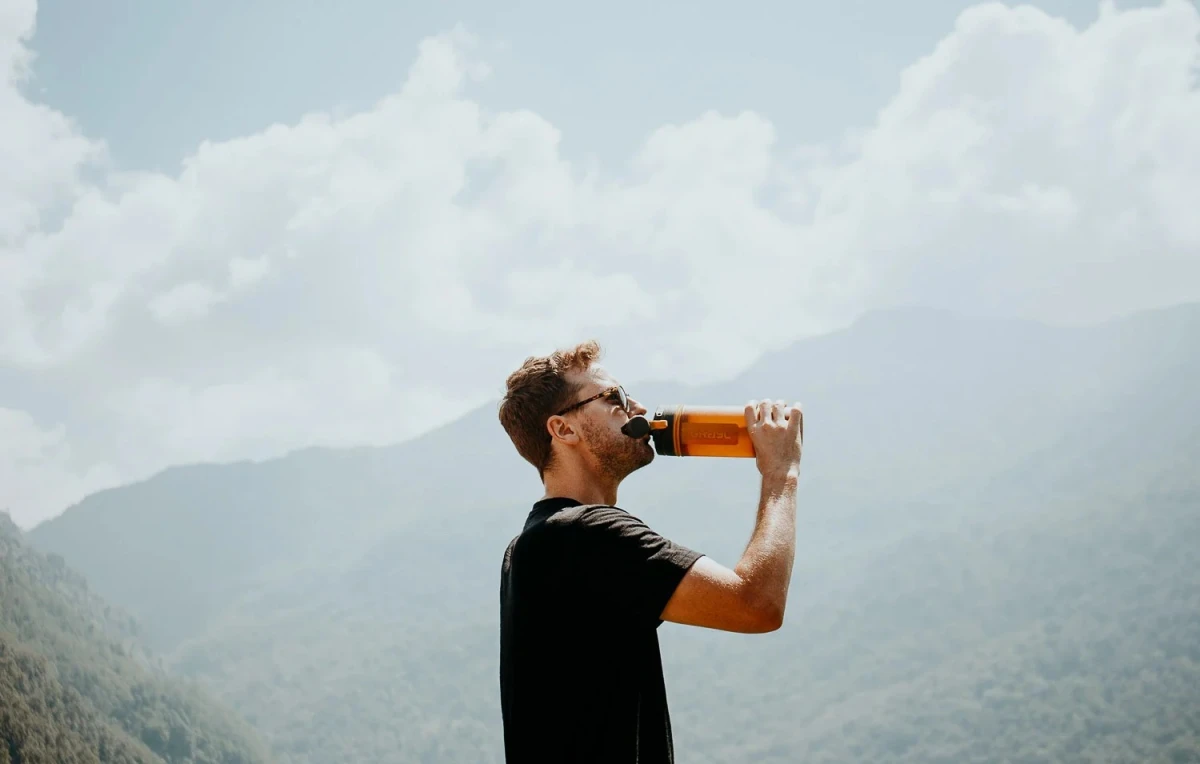
A water filtration bottle or steri-pen, which delivers clean, safe drinking water, can be an alternative to buying one after another plastic bottles everywhere you go. Photo: The Common Wanderer
Investing in a water filtration bottle or steri-pen, which delivers clean, safe drinking water from any non-saltwater source, is a simple solution.
Say no to the straw
"No straw, please"! A simple statement with wide-ranging positive implications on the planet. Over 8 billion metric tonnes of plastic has been produced on this planet, with 91% of it not being recycle. Much of it, like straws, end up in our oceans, with dire consequences for marine life.
When you stop and really think about it: straws get thrown into our drinks, where we drink from them using mouths that can easily do the task by themselves, for maybe half an hour before they get dumped straight into the trash.
Respect the environment
We can't tell you the number of times we've been in the middle of pristine nature only to look around discover piles of rubbish. Sadly, it’s becoming so common to spot bits of trash on our hiking trails, beaches, and national parks that it seems we’re all becoming desensitised to it - and it's just not good enough.
Regardless of whether it's your home country or somewhere you're visiting, respect the local environment, and take your trash with you until you can find an adequate trashcan or recycling bin to leave it.
Travel by public transport as much as possible
When we travel, we endeavour to take public transport at every opportunity. Not only is it exciting, it's a great way to meet locals and see more of the country you're visiting.
But the number 1 reason to travel by public transport? Reducing your carbon footprint. By choosing already-existing on-ground transport (trains, etc) and minimising your internal short-haul flights or private taxis, you’re cutting down on unnecessary emissions - so next time you're in a country, take the metro, local train or bus, tuk-tuk, or even rent a bike!
Walk everywhere when visiting cities
In our humble opinion, the best way to discover a city is by foot. Roaming the streets and invariably getting lost not only a fun way to approach exploring, but also good for the environment.
Conserve water and use less when showering
We loooooooove our long, warm showers, but we know that water is such a scarce commodity throughout the world that we can no longer justify an obscenely long shower.
In fact, in Cape Town in 2016, as the city was gripped by drought (it still is, by the way), we limited our showers to 1 minute, and were only allowed to flush the toilet for number 2's. This taught us a very valuable lesson regarding water usage.
Chose sustainability/eco-friendly accommodation
As the tourism industry evolves and moves towards a more sustainable model, it's becoming easier and easier to choose sustainable and eco-friendly accommodation.
Research is key here, as many ‘eco-lodges’ are the furthest thing from, but a thorough scan of their websites - as we did when booking hotels in Sri Lanka recently (if you’re travelling there, we recommend Tri Lanka!) - will help you understand their credentials. If you’re in doubt about anything, reach out to them for clarification.
Don’t support animal tourism
After three years on the road, we've discovered that just about every single animal attraction is negative, so our simple solution is to not support any of them. This includes riding Elephants or Elephant safaris, Elephant 'sanctuaries', Tiger temples, swimming with dolphins, animal performances, hunting... the list goes on.
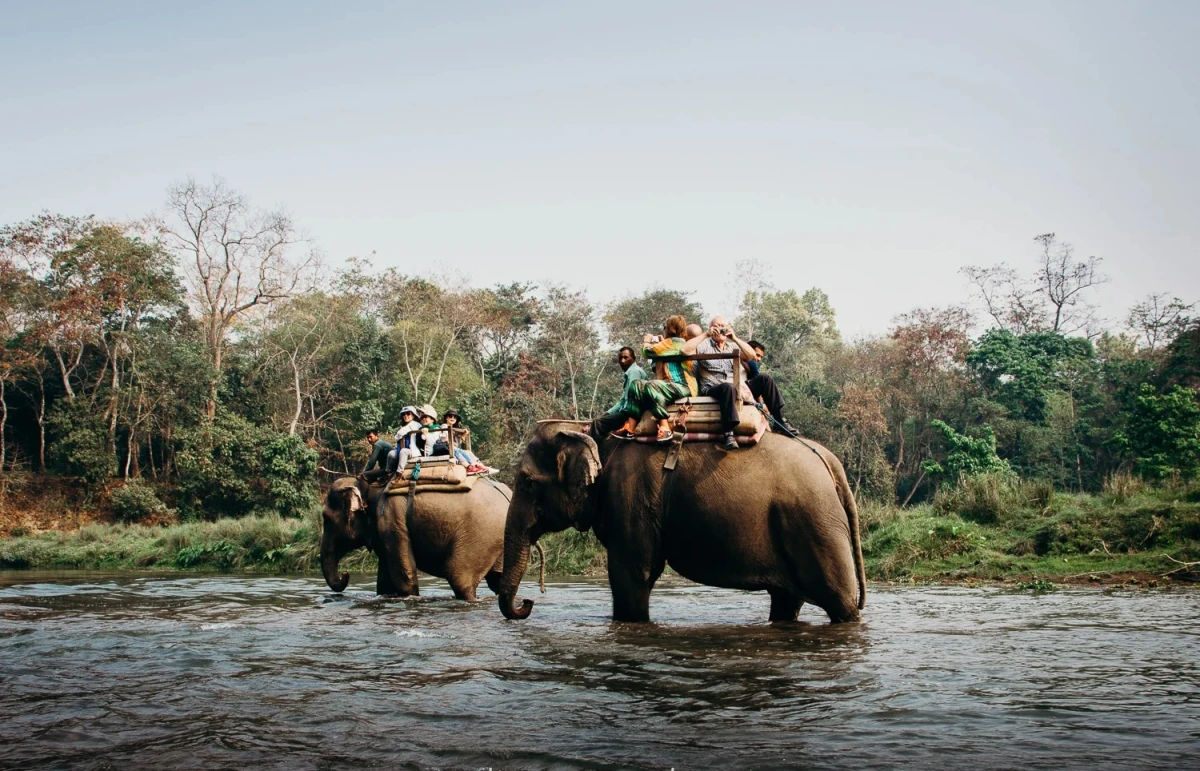
Tourists ride on elephants at a safari park. Photo: The Common Wanderer
If you’re absolutely determined to get up close to a wild animal, we implore you to do thorough research through Google, Tripadvisor and guidebooks before you visit any animal attraction and only support those who are truly ethical.
Limit your wildlife encounters to the wild
Some of the best experiences you’ll ever have as a traveller are witnessing a herd of elephants walk across the plains of the African savannah at sunset, a tiger pausing to drink at a river in India, an Orangutan swinging through the lush canopy of Borneo’s jungles, or whales as they migrate towards warmer tropical waters.
Avoid zoos and wildlife parks, and stick to viewing animals in their natural habitats (at a safe distance for all!).
* The writers, Mark & Mim, of this article inspire and empower curious travellers to explore the world, sustainably and responsibly through thoughtful storytelling, practical guides, and beautiful photography. This writeup is republished from the writers' travel-based website The Common Wanderer.
What's Your Reaction?
 Like
0
Like
0
 Dislike
0
Dislike
0
 Love
0
Love
0
 Funny
0
Funny
0
 Wow
0
Wow
0
 Sad
0
Sad
0
 Angry
0
Angry
0









Comments (0)