

Waterfalls in Rangamati offer special treats for tourists
If you are a lover of waterfalls, domestic waterfalls in Rangamati hill district are special attractions for you

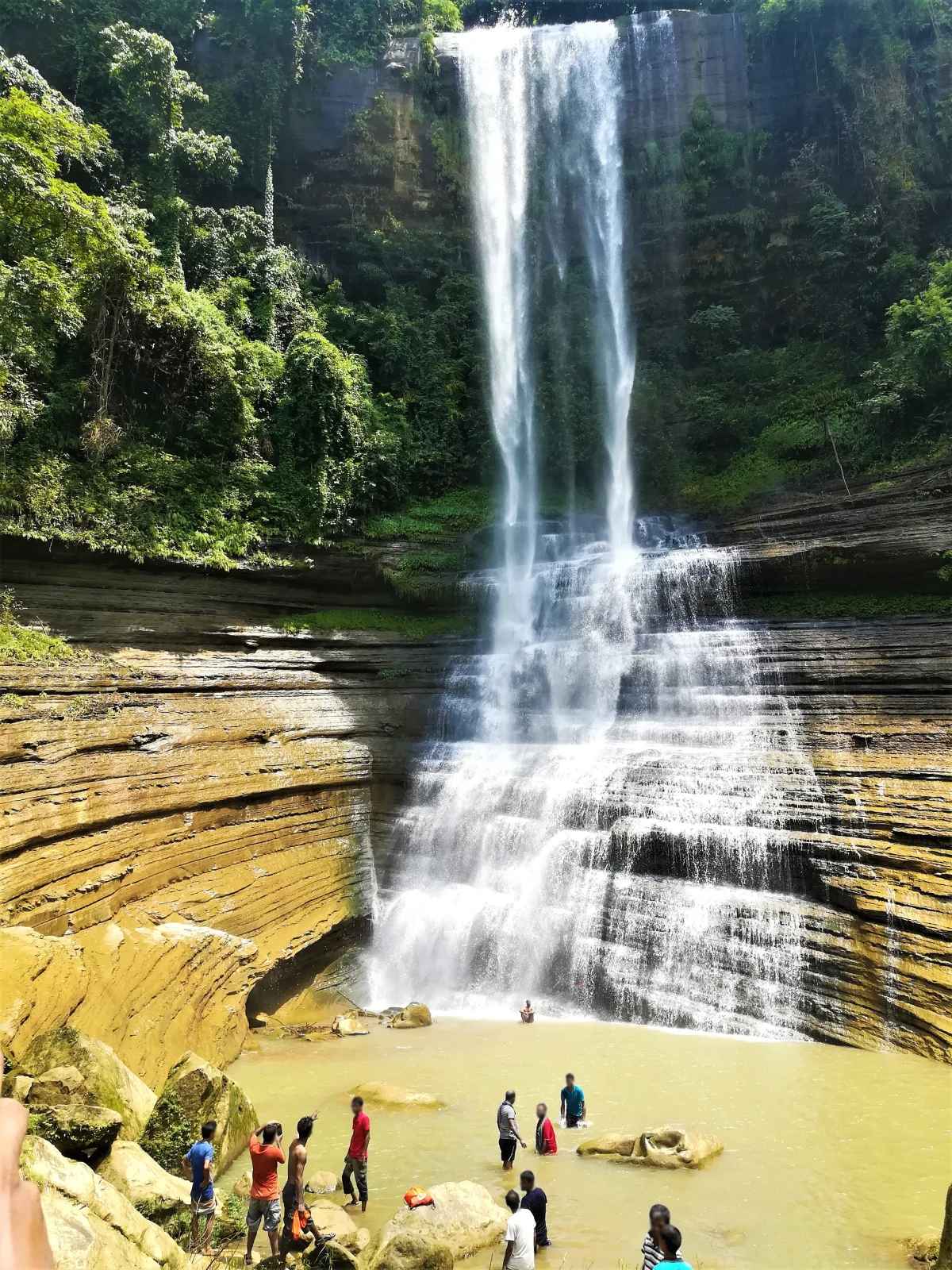
Dozens of waterfalls have made the hill district of Rangamati an attractive destination for nature-lovers and backpackers over the years. The waterfalls coming alive during monsoon and drawing visitors seeking adventure beyond the well-known Kaptai Lake and a beautiful hanging bridge.
Huddled in the Chattogram Hill Tracts, Rangamati is known for its green hills, valleys and vast Kaptai Lake. But much of its tourism potential lies deeper in the forests, where seasonal streams turn into spectacular waterfalls during the rainy season.
Among the best-known spots are Shuvolong, Dhuppani, Muppochhara and N’katachhara waterfalls, while Gachhkata, Shatpapori, Hajachhara, Sijok and Shilachhara provide further opportunities for adventure tourism.
Shuvolong is relatively reachable by boat from Kaptai Lake. During the June-August period, water cascades down the mountainside with much greater force, creating a delightful spectacle for visitors travelling by boat.
Dhuppani Waterfall, located in the remote Farua Union of Bilaichhari, offers a more enchanting experience. Visitors have to trek through steep hills, streams and slippery rocks before reaching the waterfall. A natural cave behind the falling water is one of its prominent attractions.
Muppochhara and N’katachhara, buried in the forests of Kaptai and Bilaichhari, are also common among trekking lovers because of their rocky landscapes, crystal clear water and surrounding greens.
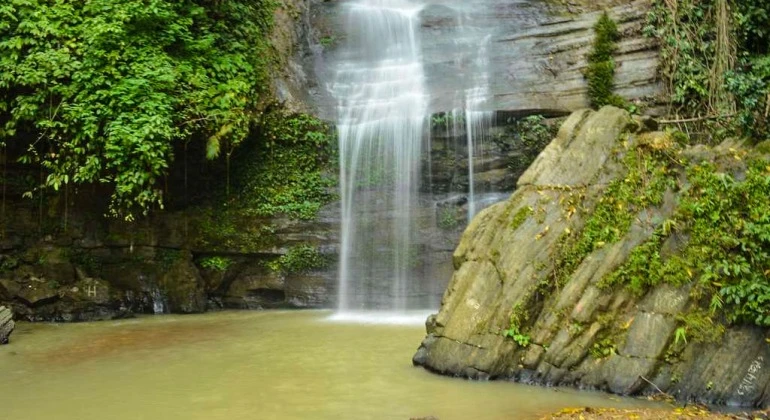
Scenic beauty of Hajachhara waterfalls Photo: Vromonguide
The rising popularity of these destinations is creating opportunities for community-based tourism. A 21-member community-based ecotourism management committee was formed in Bilaichhari in 2021 to promote tourism while protecting the area’s natural environment. Around 40 local guides work through the initiative, particularly around Dhuppani, Gachhkata and Muppochhara.
Committee General Secretary Athui Marma said the initiative was created to ensure that tourism does not damage the local environment. Guides are generally arranged for groups of tourists, with a fee of Tk1,000 per guide.
The development of local guiding services is also shaping employment opportunities for people living in remote hill communities.
However, tourism operators and local residents say major challenges remain. Deteriorated road and boat connections, limited mobile network coverage, a shortage of modern boats and inadequate emergency facilities make travelling to remote attractions clumsy.
Travel safety is a major concern in hill tracts. Steep and slippery trails, sudden flash floods and dense forests can make trekking hazardous, particularly during heavy downpour. Local guides are therefore, considered essential for visitors travelling to some of the more remote waterfalls.
Environmental pressure is also increasing as visitor numbers grow. Plastic bottles, food packaging and other waste left by tourists are harming the pristine surroundings of the waterfalls.
Local tourism stakeholders have called for better visitor management, safety infrastructure and environmentally friendly facilities. Suggestions include installing safety ropes and railings at risky points, placing directional signs, introducing trained and registered local guides, and establishing basic first-aid and emergency communication facilities.
Small-scale, eco-friendly rest areas made from wood or bamboo could also be developed without damaging the natural landscape.
Local tour operator Himu Bappi said the monsoon transforms Kaptai Lake and the surrounding waterfalls into a particularly attractive tourism destination, with rain-fed waterfalls, green hills and misty landscapes creating an exclusive experience for visitors.
He also added that access to remote attractions remains difficult and that rescuing tourists who become sick or injured can be challenging because of Insufficient Road connectivity and limited transport facilities.
Rangamati’s waterfalls therefore offer extensive potential for adventure, nature and community-based tourism. With better safety measures, responsible visitor management and environment-friendly infrastructure, the district could add its tourism appeal while creating new income opportunities for local communities.
For visitors willing to go beyond conventional tourist routes, the combination of green mountains, clear streams, cascading waterfalls and indigenous hill communities makes Rangamati’s remote trails one of Bangladesh’s most attractive destinations for adventure tourism.
What's Your Reaction?
 Like
0
Like
0
 Dislike
0
Dislike
0
 Love
0
Love
0
 Funny
0
Funny
0
 Wow
0
Wow
0
 Sad
0
Sad
0
 Angry
0
Angry
0










Comments (0)