

US 'ignored' intel warnings before Iran school strike
Quoting three people familiar with the matter, the report said alerts highlighting the need to re-verify targeting information were built into the Pentagon's target development platform but were set aside by commanders seeking to move quickly as the conflict began

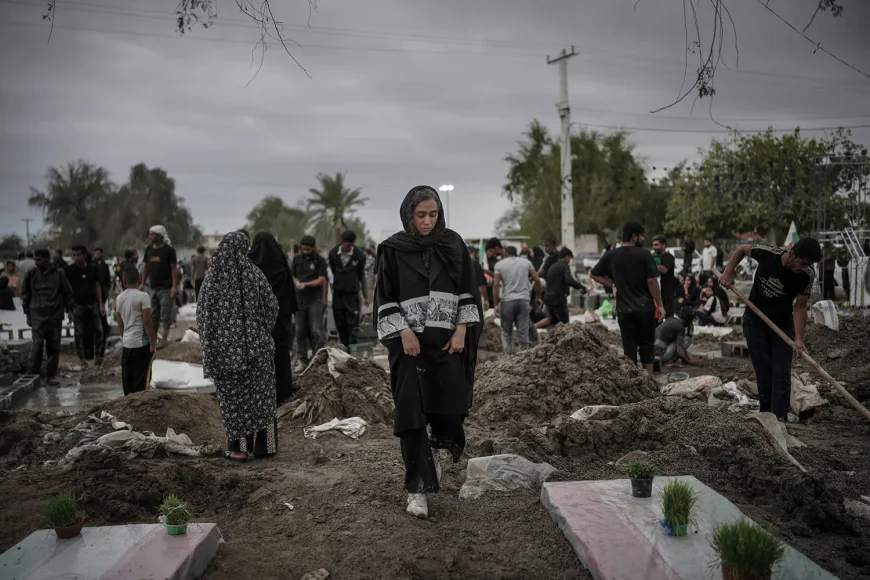
Top US military officers disregarded warnings in critical databases that intelligence on Iranian targets had not been updated for years, approving strikes that included one on a school that left nearly 200 people dead, CNN reported on Tuesday.
Quoting three people familiar with the matter, the report said alerts highlighting the need to re-verify targeting information were built into the Pentagon's target development platform but were set aside by commanders seeking to move quickly as the conflict began.
The February 28 strike on Shajareh Tayyebeh Elementary School in the city of Minab killed 168 children and 14 teachers, Iranian state media said. The school was hit during a US operation targeting an adjacent Islamic Revolutionary Guard Corps (IRGC) site.
CNN reported that much of the intelligence used to identify the war's initial targets, including data on the IRGC facility beside the school, was more than 10 years old, as analysts had been unable to update every record before the strikes were launched. Mobile and higher-threat sites were reportedly updated first, leaving fixed locations such as the school lower on the priority list and largely unverified.
"It was obviously old information," one source told CNN.
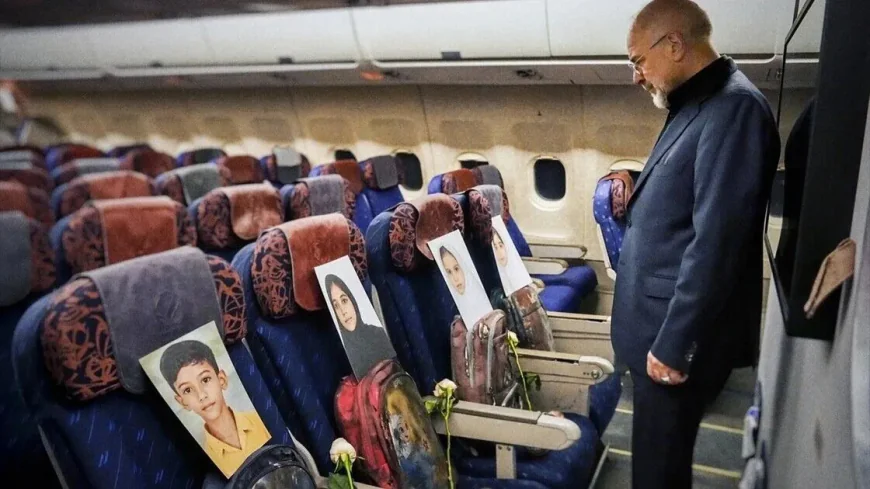
Iran’s Parliament Speaker Mohammad Bagher Ghalibaf looks at the photos and school backpacks of children killed in Minab attack, placed on seats during his flight to Islamabad in Iran. Photo: Anadolu Agency
Another source cited in the report said a separate surveillance tool had detected changes to the compound, but the findings never reached the main targeting database or decision-makers.
The report also linked the incident to reductions in Civilian Harm Mitigation and Response staffing ordered by Defence Secretary Pete Hegseth, noting that the unit at Central Command had been reduced from 10 members to one.
A White House official told CNN that the investigation into the strike was continuing and reiterated that "the United States does not target civilians."
Hegseth has pledged a "thorough" review, while CENTCOM referred questions to the ongoing inquiry and declined further comment.
Months after the attack, the Pentagon has not made its findings public, CNN said, even as President Donald Trump continues to threaten renewed large-scale strikes on Iran amid parallel diplomatic negotiations.
What's Your Reaction?
 Like
0
Like
0
 Dislike
0
Dislike
0
 Love
0
Love
0
 Funny
0
Funny
0
 Wow
0
Wow
0
 Sad
0
Sad
0
 Angry
0
Angry
0


Comments (0)