

Pabna draws tourists with heritage sites
Located on the banks of the Padma River in the south-eastern part of Rajshahi division, Pabna is home to centuries-old zamindar palaces, Mughal-era mosques, iconic railway infrastructure and scenic wetlands

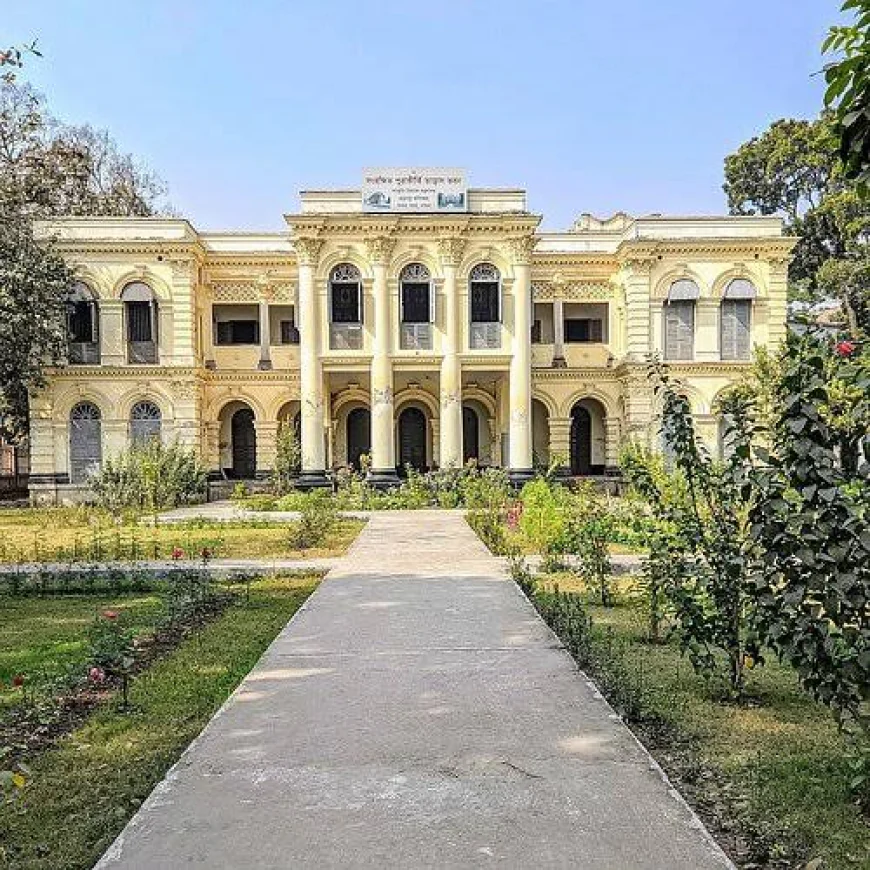
Often recognised for housing Bangladesh’s only specialised mental health hospital, the historic district of Pabna is quietly emerging as one of the country’s most diverse tourism destinations, offering a rare blend of heritage architecture, spiritual landmarks, wetlands, railway history and rural charm.
Located on the banks of the Padma River in the south-eastern part of Rajshahi division, Pabna is home to centuries-old zamindar palaces, Mughal-era mosques, iconic railway infrastructure and scenic wetlands that continue to attract history enthusiasts, photographers and domestic travellers.
Tourism stakeholders said interest in offbeat destinations was gradually increasing as travellers sought quieter and culturally rich experiences beyond traditional tourist hotspots.
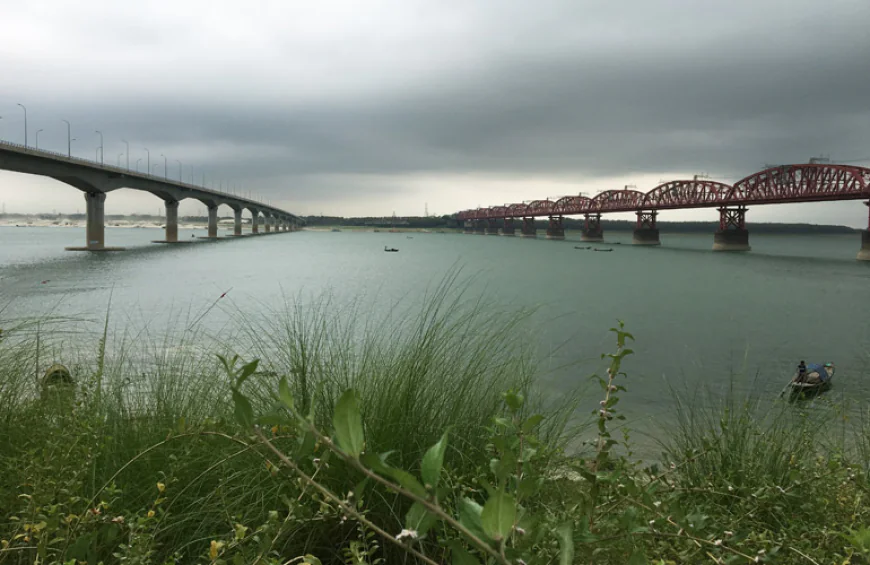
Among the district’s most visited attractions is the century-old Hardinge Bridge in Pakshi, one of Bangladesh’s oldest and longest railway bridges. Built between 1909 and 1915 across the Padma River, the 1.8-kilometre steel bridge remains a major attraction for railway enthusiasts and visitors exploring the historic rail corridor of western Bangladesh.
Nearby, the historic Ishwardi Railway Junction continues to serve as one of the country’s most important rail hubs, connecting northern and southern routes.
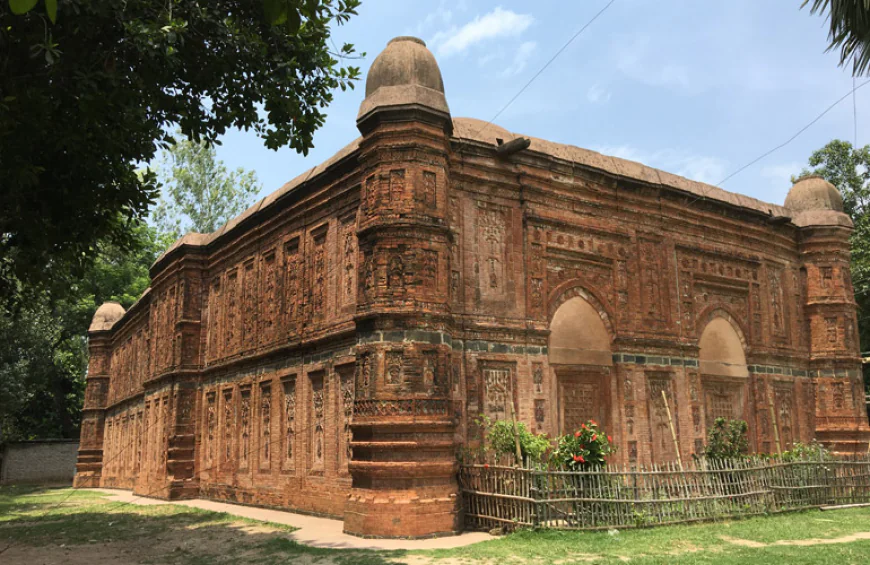
Heritage tourism is another growing attraction in Pabna. The iconic Jor Bangla Temple, known for its distinctive twin-roof design, is regarded as one of the finest examples of traditional Bengali temple architecture in the country.
The district also hosts several historic zamindar estates, including Tarash Bhaban, Banwarinagar Rajbari and Khetupara Zamindar Bari, each reflecting the region’s aristocratic past and colonial-era architecture.
Religious and spiritual tourism also plays a significant role in the district’s appeal. Thousands of devotees visit the Satsang Ashram of Sri Sri Thakur Anukul Chandra every year, while the historic Shah Farid Shrine and the centuries-old Shahi Mosque continue to attract pilgrims and history lovers.
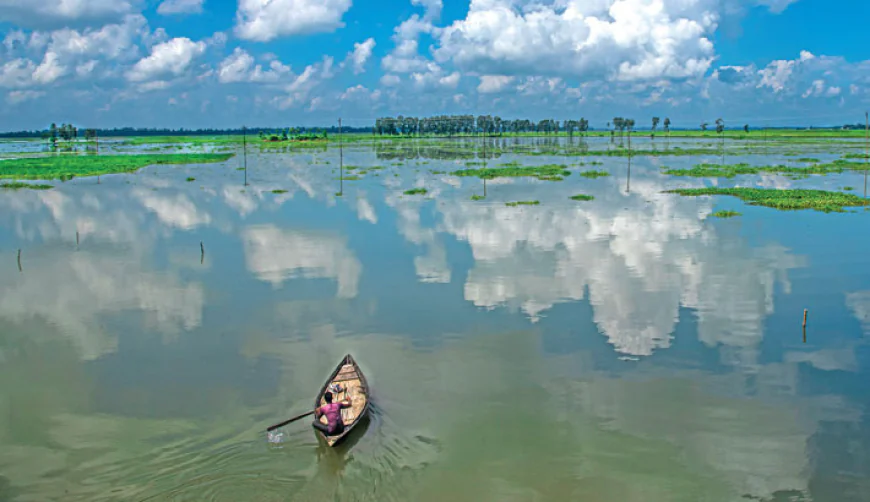
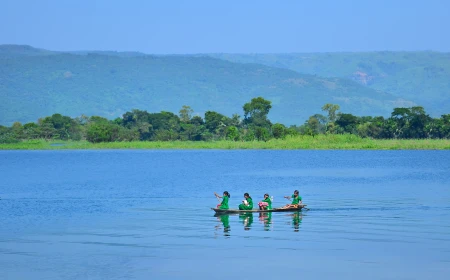
Nature tourism is centred around the vast Chalan Beel, one of Bangladesh’s largest wetlands. Spread across several districts, the wetland offers monsoon landscapes, rich biodiversity and traditional fishing culture, making it increasingly popular among eco-tourists and photographers.
Another scenic attraction is Ghughudaha Beel, once known for its abundant fish resources and rural festivals centred on traditional fishing practices.
Industrial heritage sites also contribute to Pabna’s tourism diversity. The abandoned North Bengal Paper Mills and the historic Pabna Sugar Mills offer glimpses into the district’s once-thriving industrial economy.
Meanwhile, the largely inactive Ishwardi Airport continues to draw attention because of its historical significance and the possibility of future reopening linked to the expansion of the Ishwardi Export Processing Zone and regional economic activities.
Food tourism is also gaining popularity in the district, with local delicacies such as liver-filled singara, traditional sweets, malai tea, rosomalai and regional biryani dishes attracting visitors from neighbouring districts.
Travel experts said Pabna had strong potential to develop integrated heritage and river tourism if infrastructure, promotion and conservation efforts were strengthened.
The district is accessible from Dhaka by road and rail, with regular bus services operating from Gabtoli and Kalyanpur terminals, while several intercity trains connect Dhaka with Ishwardi and Pabna routes.
Local tourism stakeholders believe coordinated promotion, improved accommodation facilities and preservation of heritage sites could help position Pabna as one of Bangladesh’s emerging cultural tourism destinations in the coming years.
What's Your Reaction?
 Like
0
Like
0
 Dislike
0
Dislike
0
 Love
0
Love
0
 Funny
0
Funny
0
 Wow
0
Wow
0
 Sad
0
Sad
0
 Angry
0
Angry
0



Comments (0)