

Dhaka Airport's single runway limits Bangladesh aviation growth
A modern terminal can process millions of passengers, but every aircraft still requires access to the same runway for take-off and landing

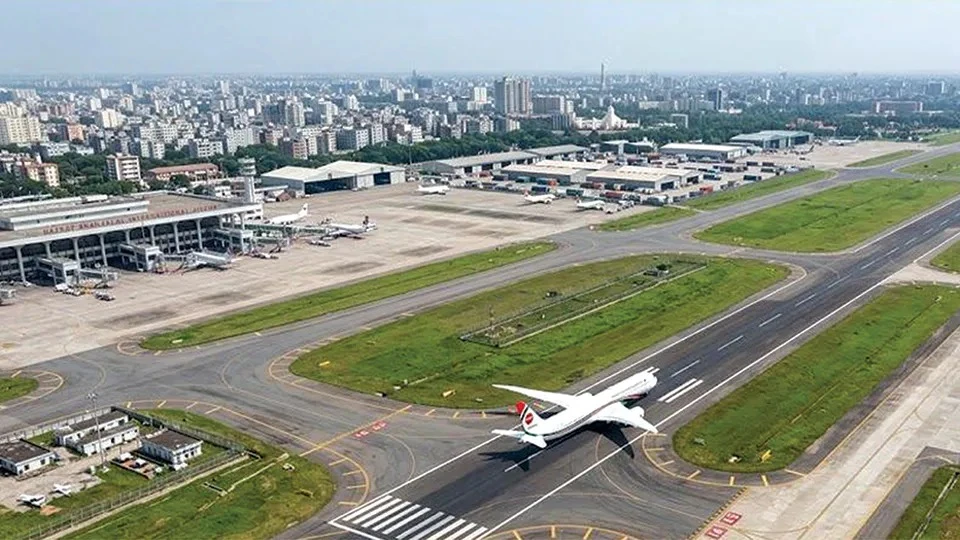
A nighttime incident at Dhaka's single-runway HSIA could halt all airside operations, strand departures and forcing arrivals into holding patterns or diversions. With no second commercial runway, airports nationwide would brace for unscheduled arrivals. This practical scenario underscores the severe operational vulnerability facing Bangladesh’s fast-growing aviation sector.
New chapter of aviation growth
Bangladesh’s aviation industry is entering one of the most significant expansion phases in its history.
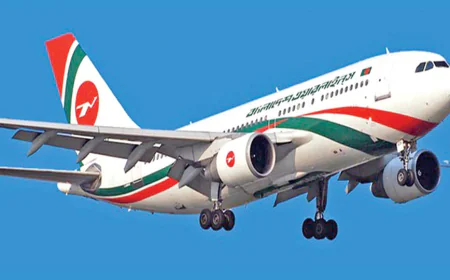
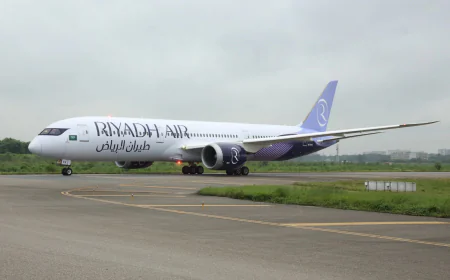
Biman Bangladesh Airlines has committed to acquiring 25 new aircraft while also exploring short-term leased capacity to meet immediate demand. US-Bangla Airlines plans to add 21 Boeing aircraft by 2027. Air Astra and NOVOAIR continue to expand their operations, while the government is actively encouraging foreign airlines to increase frequencies and launch new services to Bangladesh.
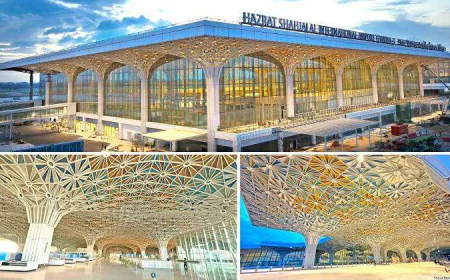
The inauguration of the Third Terminal marks a major milestone for Bangladesh’s aviation sector. The new facility significantly increases passenger-processing capacity and adds much-needed aircraft parking positions and apron space. However, passenger-handling capacity and runway capacity are two fundamentally different issues.
A modern terminal can process millions of passengers annually, but every aircraft still requires access to the same runway for take-off and landing. That runway remains the airport’s ultimate bottleneck. Because the western side of HSIA is occupied by a Bangladesh Air Force base and there are no immediate plans for relocation, the prospect of constructing a second commercial runway at Dhaka remains highly uncertain.
Runway challenge
The effects of runway constraints are already visible. Domestic flights with airborne times of barely 20 minutes can occasionally spend an equivalent amount of time waiting in departure queues during peak periods. As aircraft numbers increase, those delays will inevitably grow. A 20-minute delay could become 30. Thirty minutes could become 40. The result would be a situation in which aircraft spend almost as much time waiting to depart as they do fly to their destinations.
Every additional aircraft movement consumes a portion of the runway's finite capacity. While fleet expansion creates opportunities, it also intensifies pressure on an already constrained infrastructure system.
Parking stands not the whole answer
The expansion of apron and parking facilities under the Third Terminal project is undoubtedly welcome. Yet aircraft parking capacity is only one part of the equation.
Every aircraft requires not only a parking stand but also efficient access to and from that stand. If taxiways become congested, pushbacks are delayed or aircraft movements become difficult to coordinate, operational bottlenecks can quickly spread throughout the entire airside environment.
Real challenges
The challenge facing Bangladesh today is no longer merely how to put more aircraft into the sky. It is how to ensure those aircraft can operate safely, efficiently, predictably and reliably within the infrastructure available. The aircraft are coming. More flights are coming. More passengers are coming.
What's Your Reaction?
 Like
0
Like
0
 Dislike
0
Dislike
0
 Love
0
Love
0
 Funny
0
Funny
0
 Wow
0
Wow
0
 Sad
0
Sad
0
 Angry
0
Angry
0






Comments (0)