

Visit Dinajpur to know about heritage, history and culture
Dinajpur boasts of having major tourist attractions that make it a compelling destination for both domestic and international travellers


Dinajpur, a district under Rangpur division of Bangladesh, stands as rich in historical heritage, cultural traditions and archaeological significance. Founded in 1786 and situated 413 kilometers northwest of Dhaka, this district offers visitors a unique glimpse into the country's glorious past through its heritage, mosques, temples and man-made ponds.
For travellers, here are some places to visit and know about local history and culture.
Kantaji Temple

View of Kantaji Temple in Dinajpur
The Kantaji Temple, also known as Kantajew Temple or Navaratna Temple, represents the crown jewel of Dinajpur’s tourism. This magnificent three-storey structure stands on the bank of the Dhepa River in Kantanagar village, approximately 20 kilometers north of Dinajpur town. Construction was initiated by Maharaja Prannath Roy and completed by his son in 1752 AD. The temple features nine decorated peaks arranged in a pyramid shape, creating the appearance of a chariot rising from a high platform.
The temple’s exquisite terracotta architecture is its most distinctive attribute. Thousands of terracotta panels adorn the walls, depicting scenes from the Mahabharata and Ramayana, alongside illustrations of contemporary social life, hunting scenes, royal processions, and episodes from Krishna’s childhood. The craftsmanship demonstrates remarkable skill, with all work completed by hand without modern technology.
The temple suffered extensive damage during the 1897 earthquake but has since been restored under government supervision. A month-long Ras Mela festival held every November attracts thousands of visitors. The temple’s significance was further recognised when Bangladesh Bank featured its image on the new Tk 20 note, marking it as a national treasure.
Nayabad Mosque
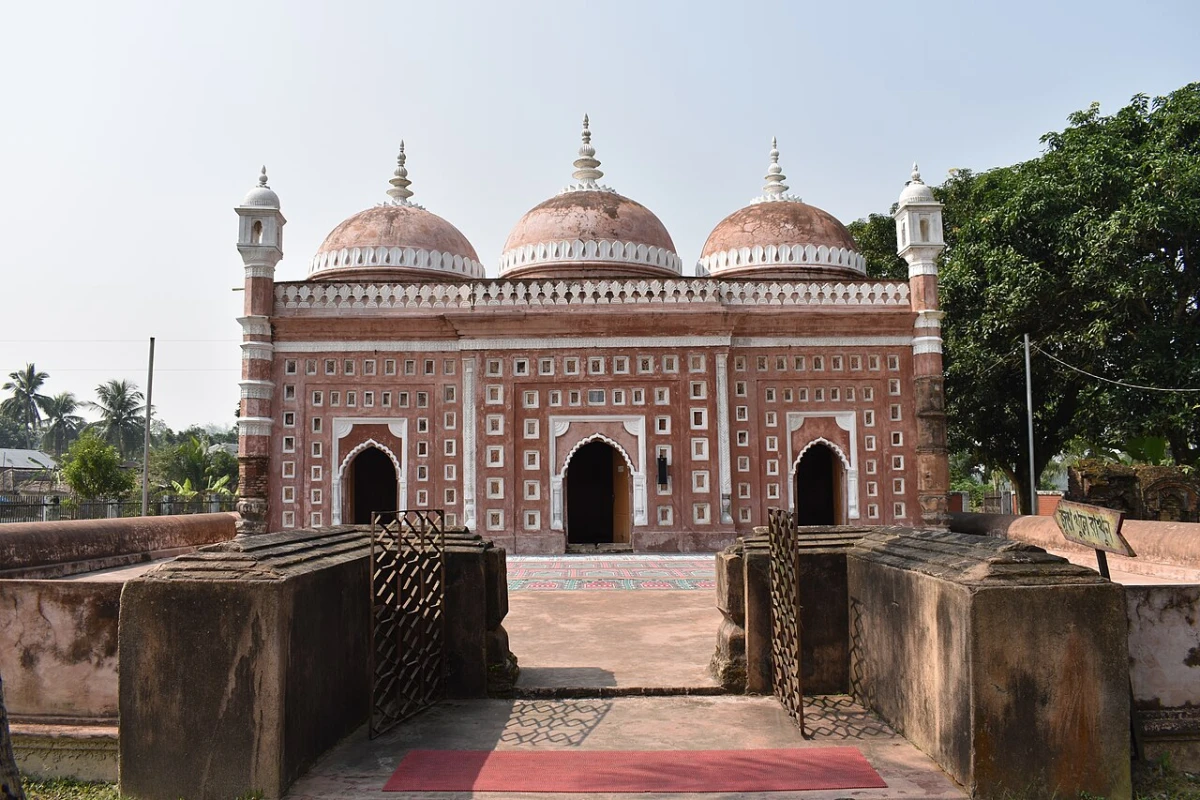
A landscape image of the Nayabad mosque Photo: Wikipedia
Located just minutes from Kantaji Temple, the Nayabad Mosque was constructed in 1793 during the reign of Emperor Shah Alam II. This small yet captivating structure was built by Muslim architects who had settled in Nayabad village during the temple’s construction in the mid-18th century.
The mosque originally featured numerous terracotta decorations, with 104 remaining today. Its tranquil setting and historical significance make it a worthwhile addition to any visit to the Kantaji Temple complex.
Ramsagar

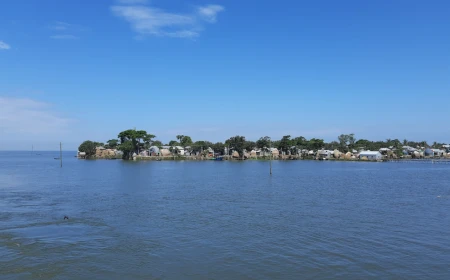
Fishing in Ramsagar. Photo: Wikipedia
Ramsagar stands as Bangladesh’s largest man-made waterbody, created by Raja Ramnath before the Battle of Plassey to meet the region’s water needs. It spans 437,492 square meters with an average depth of 10 meters. Now under the Department of Tourism, Ramsagar offers excellent opportunities for evening walks, swimming, and camping, particularly during full moon nights.
Ramsagar’s tranquility and recreational facilities attract numerous visitors, making it a popular picnic spot.
422-year-old Eidgah Mosque
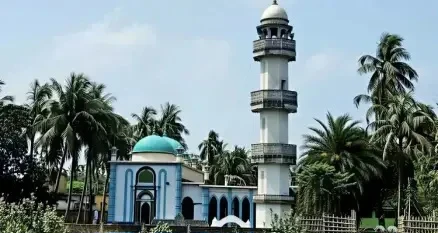
A 422-year-old mosque located in Bhavki village under Bhognagar union of Birganj upazila in Dinajpur. Photo: BSS
Located in Bhavki village under Birganj upazila, this ancient mosque was built in 1604 AD (1010 Bangla calendar). Measuring only 12 feet in length and width, with a height of about 30 feet including its minaret, this small structure has served worshippers for over four centuries.
The mosque was originally surrounded by dense forest and designed to accommodate only 10-12 persons due to sparse population. Following community-led renovation in 2011, the mosque now hosts regular daily prayers and attracts tourists interested in its historical significance.
Kantanagar Archaeological Museum

Interior of Kantanagar Archaeological Museum Photo: Vromonguide
Established by the Department of Archaeology, this museum stands adjacent to the Kantaji Temple. The collection includes over 300 stone sculptures of Hindu deities, ranging from 1 to 10 feet in height and weighing between 5 to 850 kilograms. Most sculptures were created from stone sourced from India’s Rajmahal mountain range, which has become rare since the 12th century.
The museum also preserves ancient gold and silver coins, artifacts from the Mughal and Raja periods, and various archaeological findings that provide valuable insights into North Bengal’s ancient history.
How to go from Dhaka
Visitors can reach Dinajpur from Dhaka by bus through Gabtoli, with fares ranging from 500 to 900 Taka. Train services from Kamalpur offer convenient options, with evening and morning departures available. Ticket prices range from Taka 185 to Taka 897 depending on seat class. Local transportation within Dinajpur includes vans, motorbikes and auto-rickshaws for reaching various attractions.
Dinajpur district offers a remarkable blend of historical, religious, and cultural tourism experiences. From the architectural grandeur of Kantaji Temple to the serene beauty of Ramsagar, from ancient mosques to well-curated museums, the district provides visitors with diverse attractions that reflect Bangladesh’s rich heritage.
With improved conservation efforts and increased recognition of its historical sites, Dinajpur has the potential to become a premier cultural tourism destination in northern Bangladesh.
What's Your Reaction?
 Like
0
Like
0
 Dislike
0
Dislike
0
 Love
0
Love
0
 Funny
0
Funny
0
 Wow
0
Wow
0
 Sad
0
Sad
0
 Angry
0
Angry
0








Comments (0)