

Bangladesh eyes regional aviation hub status by 2034
Govt is implementing an integrated development programme for the civil aviation sector to strengthen international connectivity, facilitate trade and position Bangladesh as a key aviation gateway in South and Southeast Asia

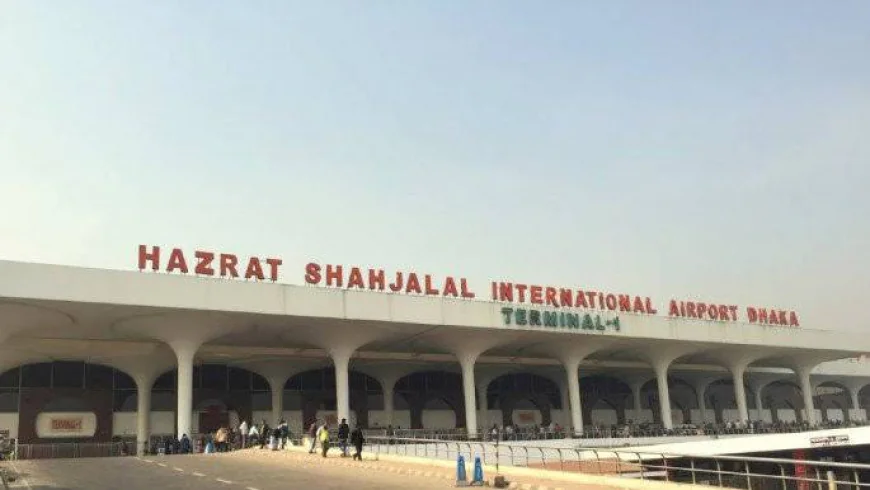
The government has unveiled an ambitious roadmap to transform Bangladesh into a major regional aviation hub by 2034, outlining a series of infrastructure, connectivity and fleet expansion initiatives in the FY2026-27 budget.
Presenting the national budget in parliament on Thursday, Finance Adviser Amir Khosru Mahmud Chowdhury said the government is implementing an integrated development programme for the civil aviation sector to strengthen international connectivity, facilitate trade and position Bangladesh as a key aviation gateway in South and Southeast Asia.
As part of the strategy, the government plans to establish a National Air Connectivity Grid and upgrade the country's major airports into modern passenger and logistics hubs.
Under the plan, Dhaka's Hazrat Shahjalal International Airport, Chattogram's Shah Amanat International Airport and Sylhet's Osmani International Airport will be developed into full-fledged international passenger and cargo hubs.
The government also aims to transform Cox's Bazar, Jashore, Rajshahi and Saidpur airports into international gateways to support regional connectivity, tourism growth and economic development.
To strengthen the national carrier's fleet and expand international operations, Bangladesh has signed an agreement with Boeing to procure 14 modern aircraft.
The budget speech also highlighted preparations for the launch of the long-awaited Third Terminal of Hazrat Shahjalal International Airport, a project expected to significantly enhance passenger handling capacity and improve service quality.
In addition, authorities have expanded Wi-Fi coverage across nearly 94,000 square metres of the airport to improve the passenger experience.
The government has set a target of raising tourism's contribution to gross domestic product (GDP) to between 6% and 7% as part of a broader tourism development strategy. Officials said an investment roadmap is being prepared to attract more tourists, create jobs and encourage private-sector participation in the tourism industry.
The budget also emphasised the expansion of Biman Bangladesh Airlines' international network alongside efforts to modernise passenger services and cargo management systems.
Industry stakeholders said the planned investments could strengthen Bangladesh's competitiveness in regional aviation, improve connectivity and support the country's long-term economic growth ambitions through increased tourism, trade and investment.
What's Your Reaction?
 Like
0
Like
0
 Dislike
0
Dislike
0
 Love
0
Love
0
 Funny
0
Funny
0
 Wow
0
Wow
0
 Sad
0
Sad
0
 Angry
0
Angry
0




Comments (0)